Road Coach › Road signs
Road signs
Every sign you can meet on a US permit test, grouped by type. Each one shows what it means and what to do. The same library is free in the Road Coach app. 196 signs.
საგზაო ნიშნები · Señales de tránsito · Дорожные знаки
Practise sign questions free Your state’s essentials
Rules
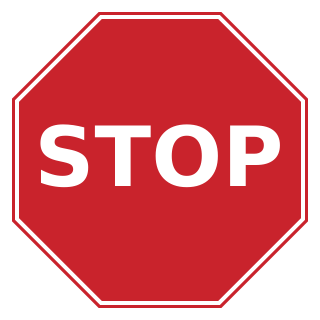
Stop
What it means: Come to a complete stop.
What to do: Stop at the stop line, crosswalk or intersection edge; yield, then go when it is safe.
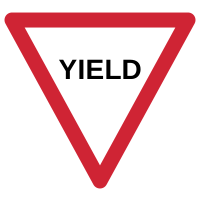
Yield
What it means: Let other traffic and pedestrians go first.
What to do: Slow down and stop if needed; go only when the way is clear.
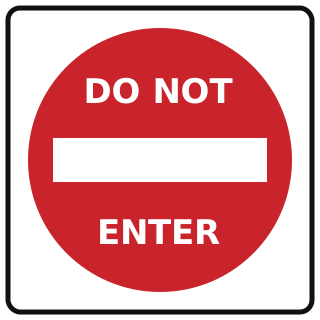
Do not enter
What it means: You may not enter this road or ramp from this direction.
What to do: Do not turn in; find another way.
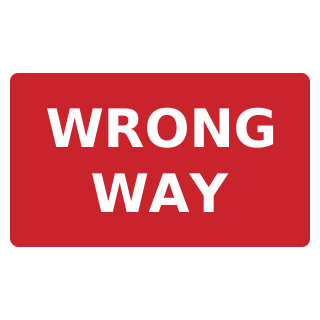
Wrong way
What it means: You are driving against traffic.
What to do: Stop safely, turn around and leave the road the way you came.
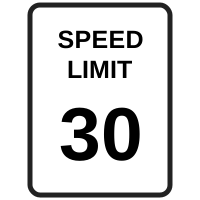
Speed limit
What it means: The highest legal speed in good conditions.
What to do: Stay at or below the posted speed, and slower when conditions are poor.
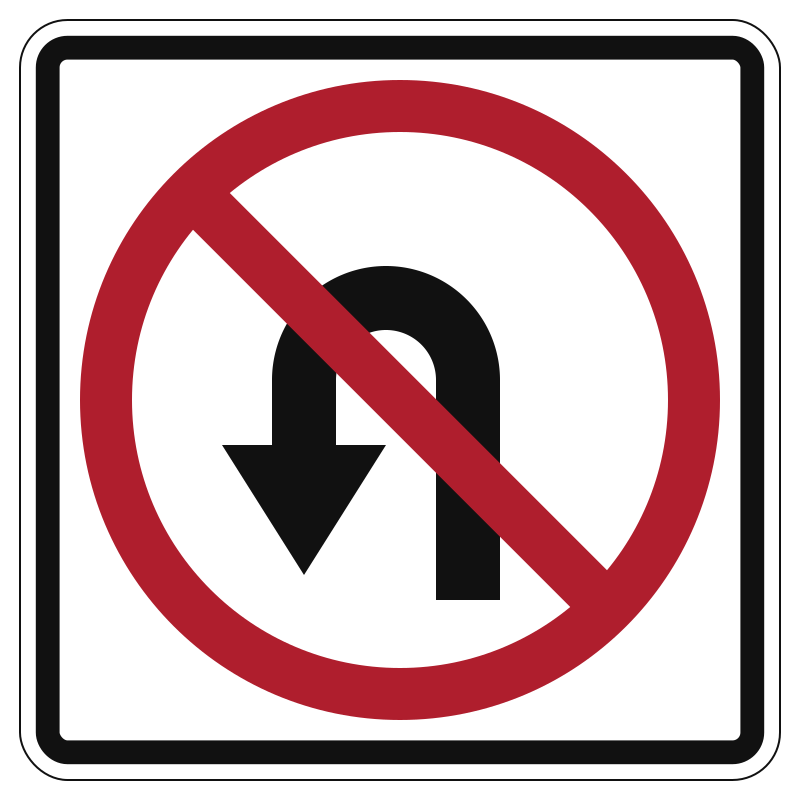
No U-turn
What it means: U-turns are not allowed here.
What to do: Continue and turn around somewhere legal.
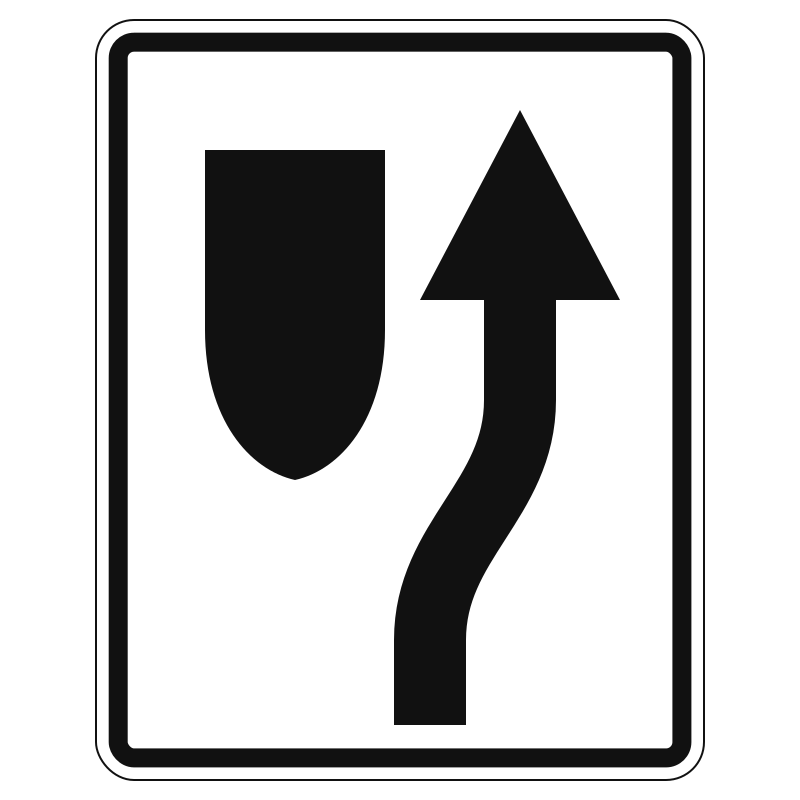
Keep right
What it means: Pass to the right of the island or obstruction.
What to do: Stay to the right of the divider.
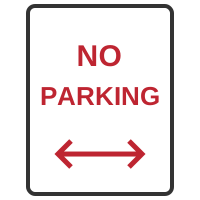
No parking
What it means: You may not park in the direction of the arrows.
What to do: You may stop briefly to load or unload people, but do not leave the car parked.
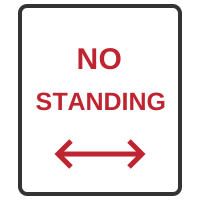
No standing
What it means: Do not stop here except briefly for passengers.
What to do: Pick up or drop off passengers only, then move on.
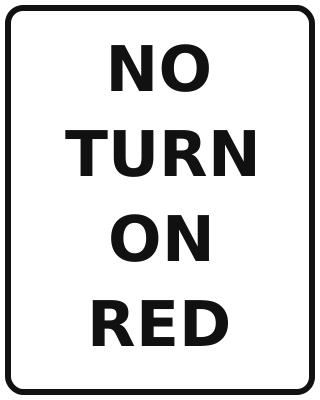
No turn on red
What it means: You may not turn while the signal is red.
What to do: Wait for a green signal before turning.
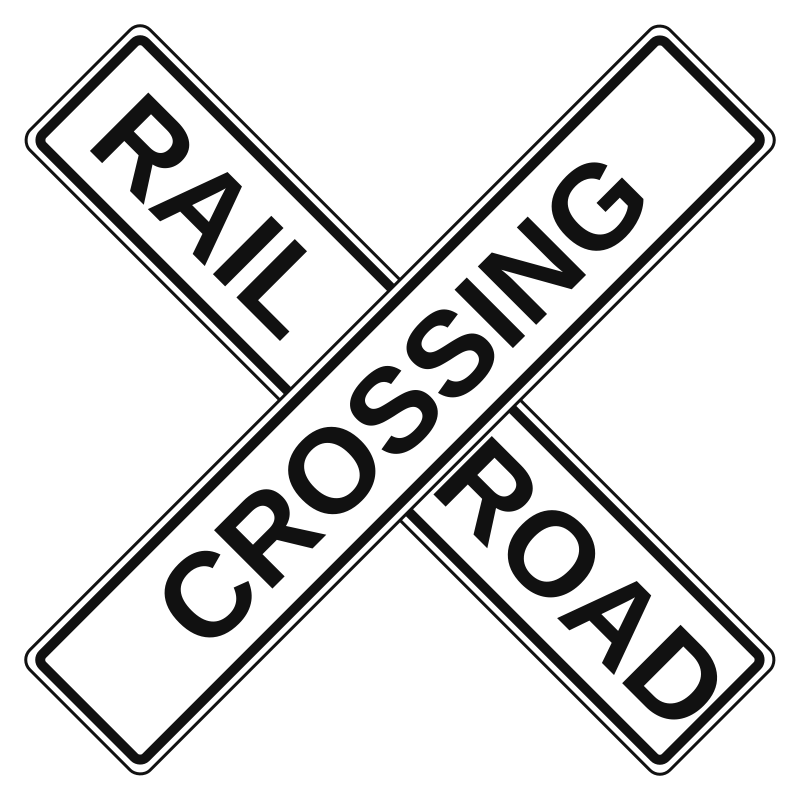
Railroad crossbuck
What it means: A railroad crossing; trains have the right of way.
What to do: Look and listen both ways; yield to trains and stop if one is coming.
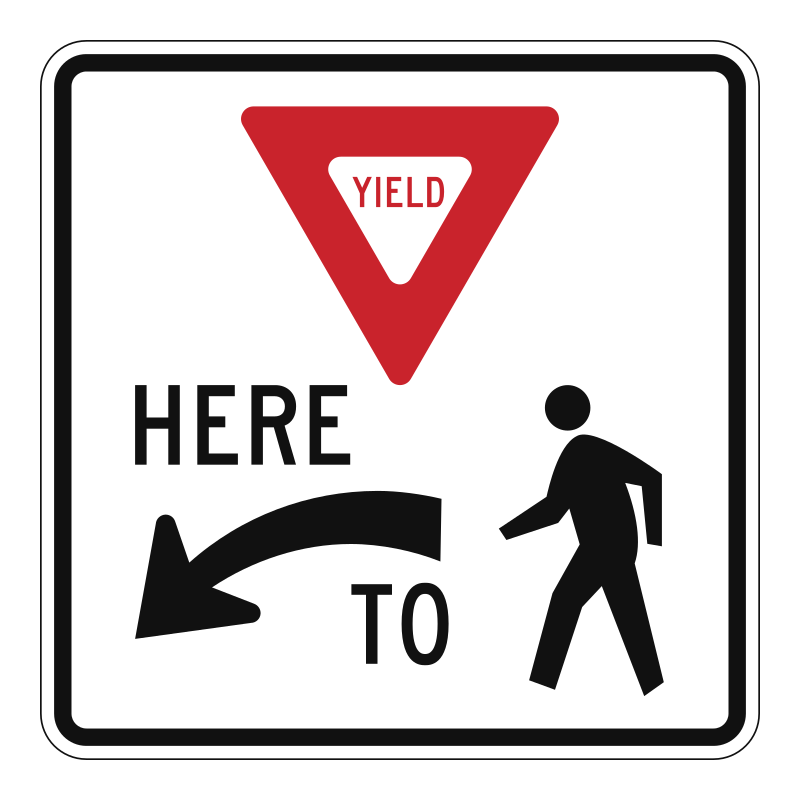
Yield here to pedestrians
What it means: Yield to pedestrians at the yield line placed before the crosswalk.
What to do: Slow down and stop at the yield line (the row of white triangles) if people are crossing.
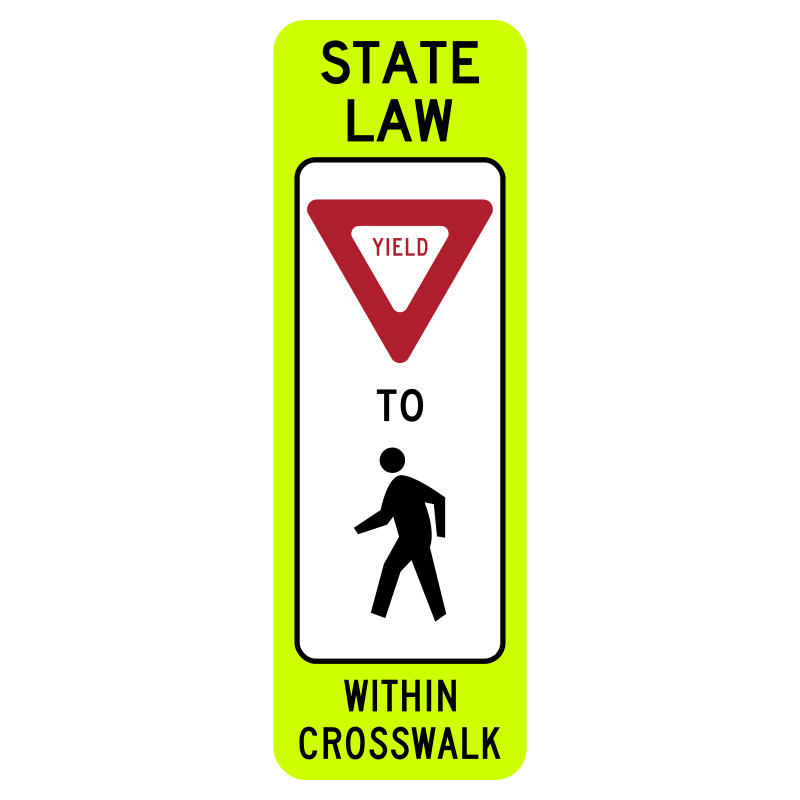
In-street pedestrian crossing
What it means: A sign placed in the road at a crosswalk reminding drivers that state law requires yielding to pedestrians within it.
What to do: Slow down and yield to anyone in the crosswalk; do not hit the sign.
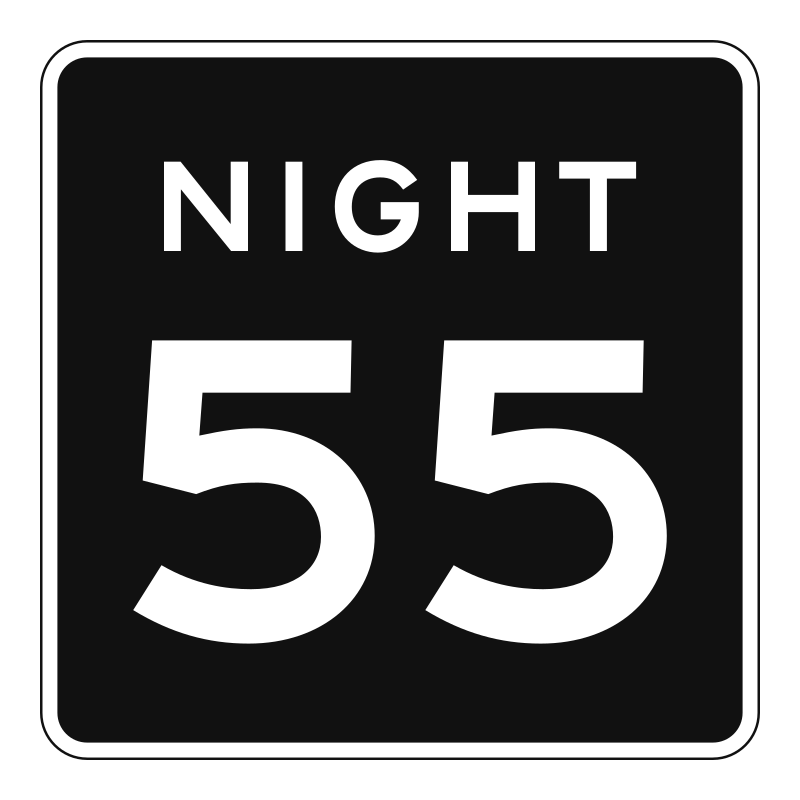
Night speed limit
What it means: The maximum speed shown applies at night.
What to do: After dark, keep at or below the night limit even if the daytime limit is higher.
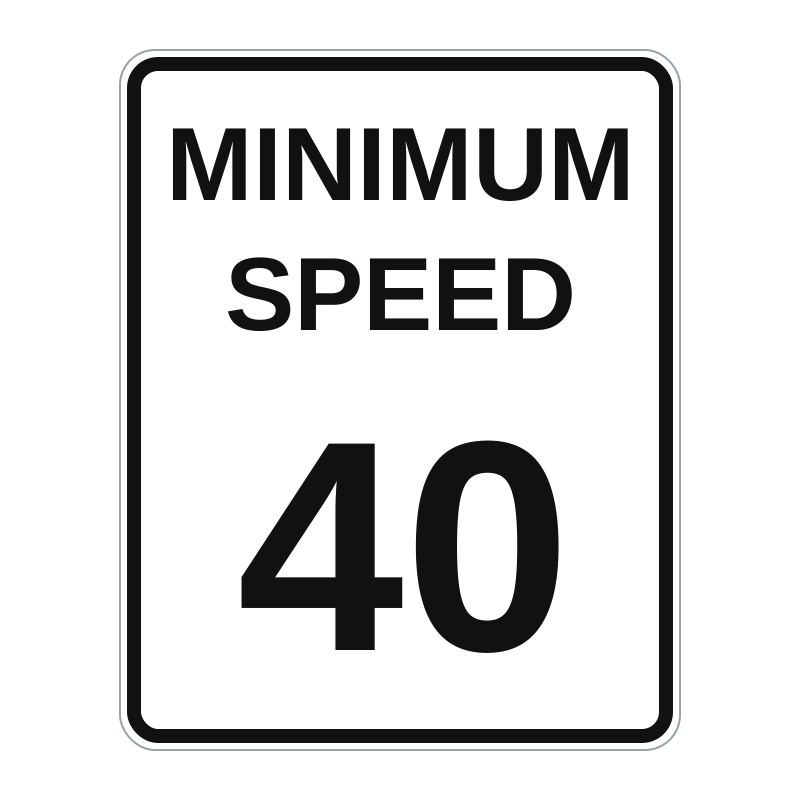
Minimum speed
What it means: Under normal conditions you may not drive slower than the speed shown.
What to do: Keep at least the posted minimum unless weather, traffic or road conditions make it unsafe.
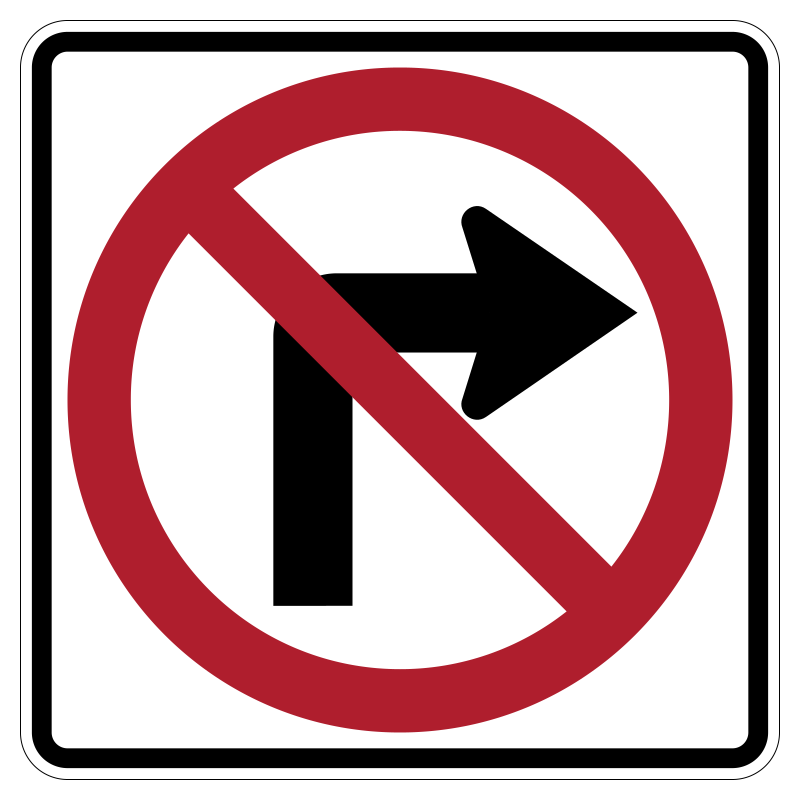
No right turn
What it means: Right turns are not allowed here.
What to do: Do not turn right, not even on red after stopping; continue straight or turn where it is allowed.
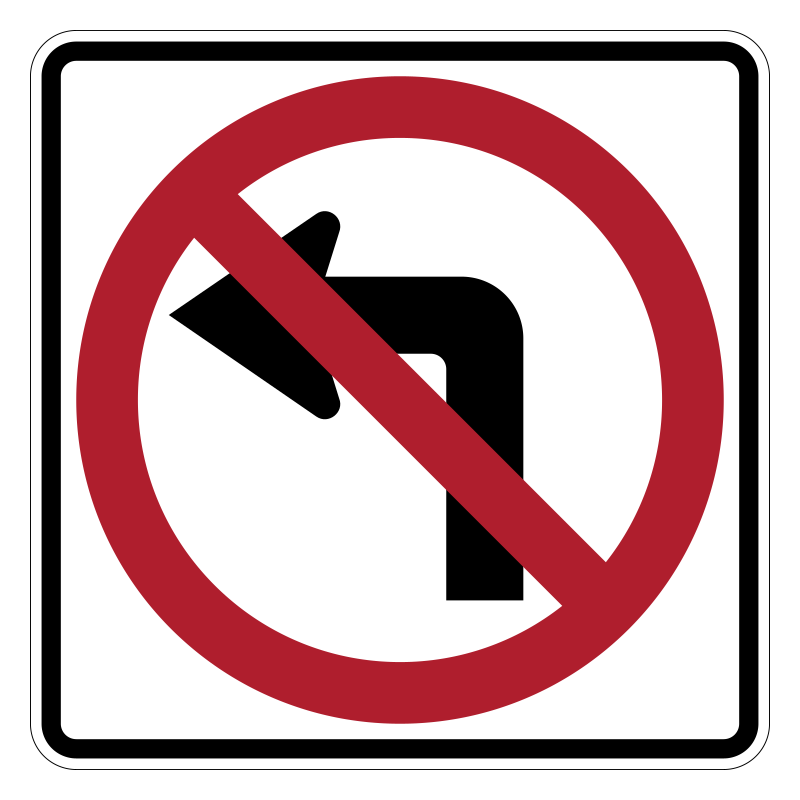
No left turn
What it means: Left turns are not allowed here.
What to do: Do not turn left; continue straight or turn where it is allowed.
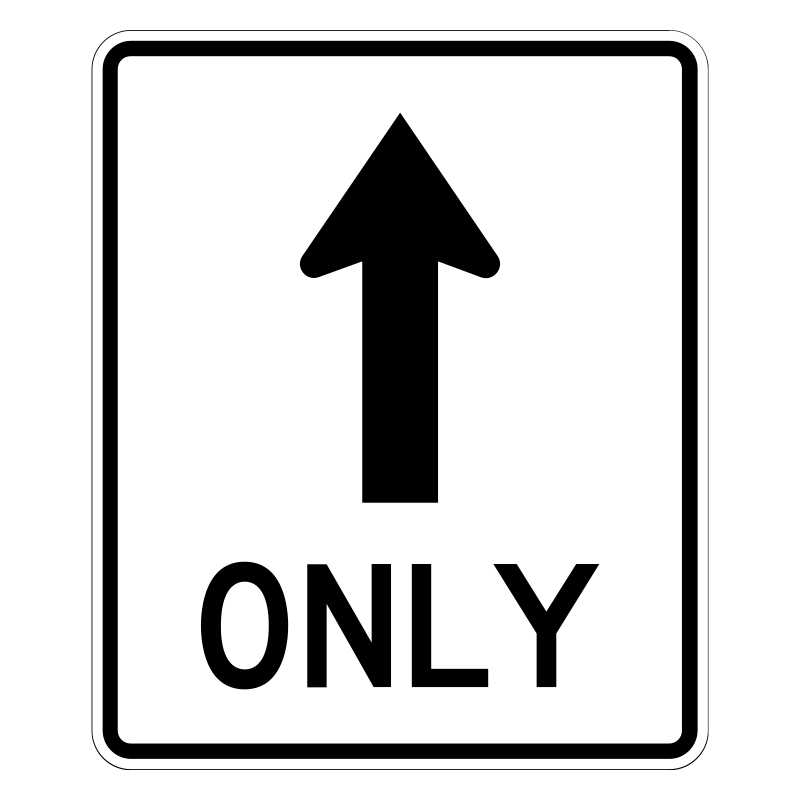
Straight through only
What it means: Vehicles in this lane must go straight through the intersection.
What to do: Do not turn from this lane; if you need to turn, move to the correct lane early.
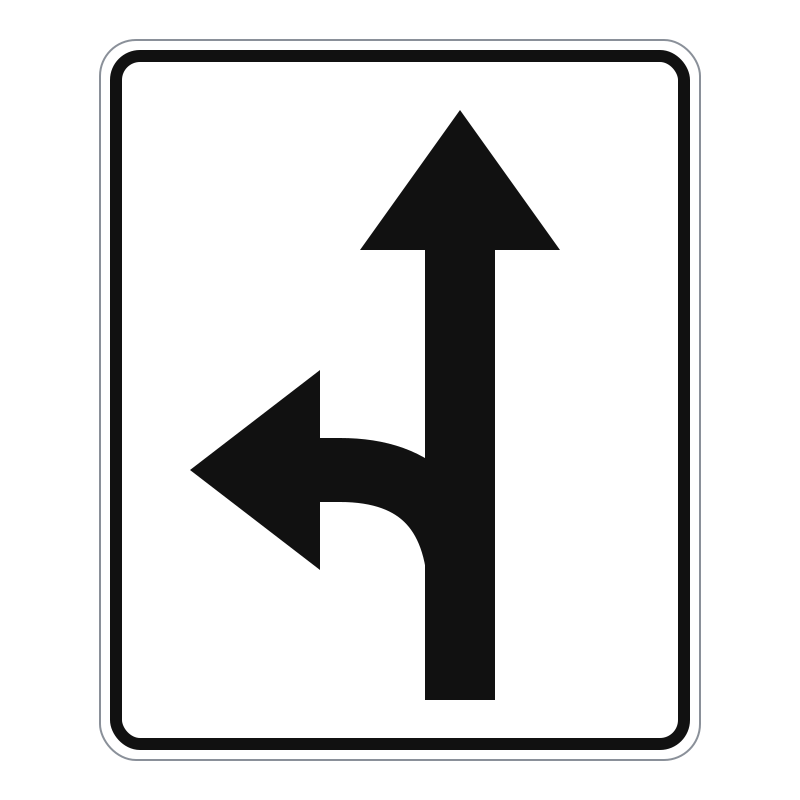
Optional movement lane control
What it means: From this lane you may make either of the two movements shown by the arrow.
What to do: Choose one of the movements shown; do not make a movement the arrow does not show.
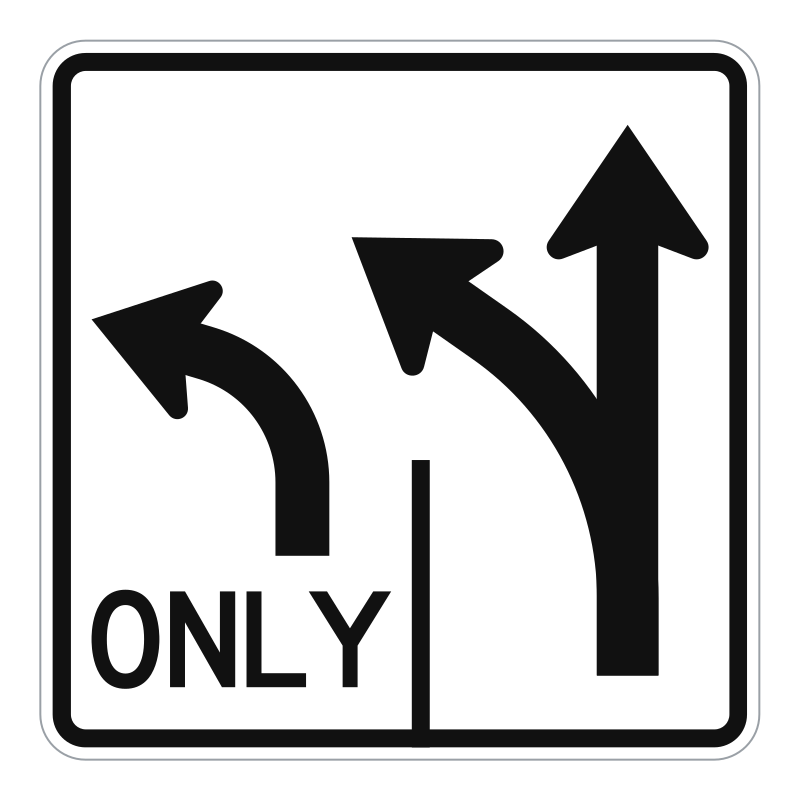
Advance lane control
What it means: Shows, before the intersection, which movements each lane allows.
What to do: Pick the lane whose arrow matches where you are going and move into it early.
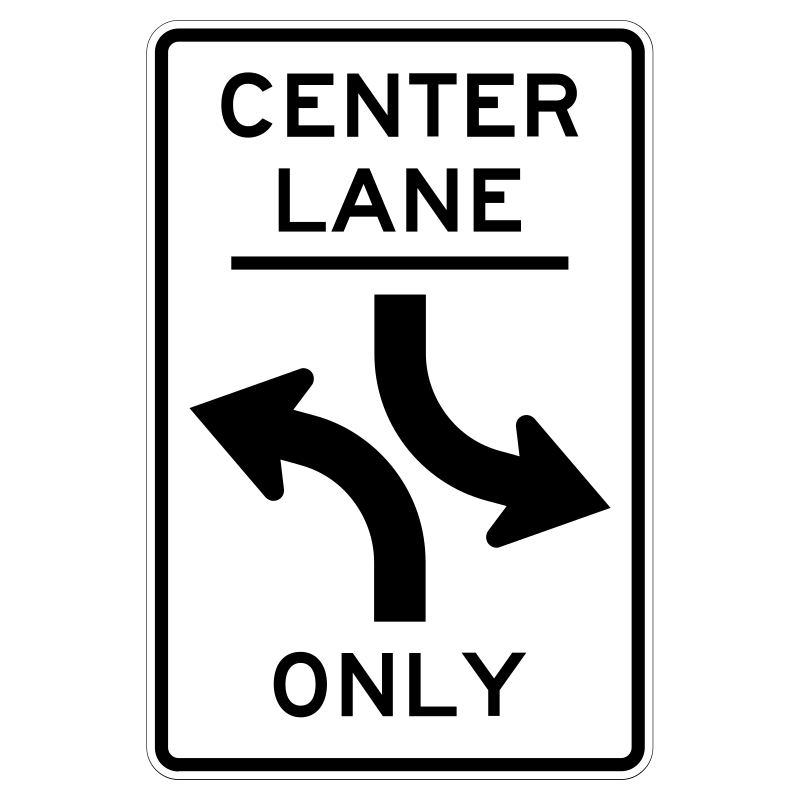
Two-way left turn only
What it means: The center lane is only for left turns by traffic from both directions.
What to do: Use the center lane only to slow down and wait for a left turn; never use it to pass or to travel.
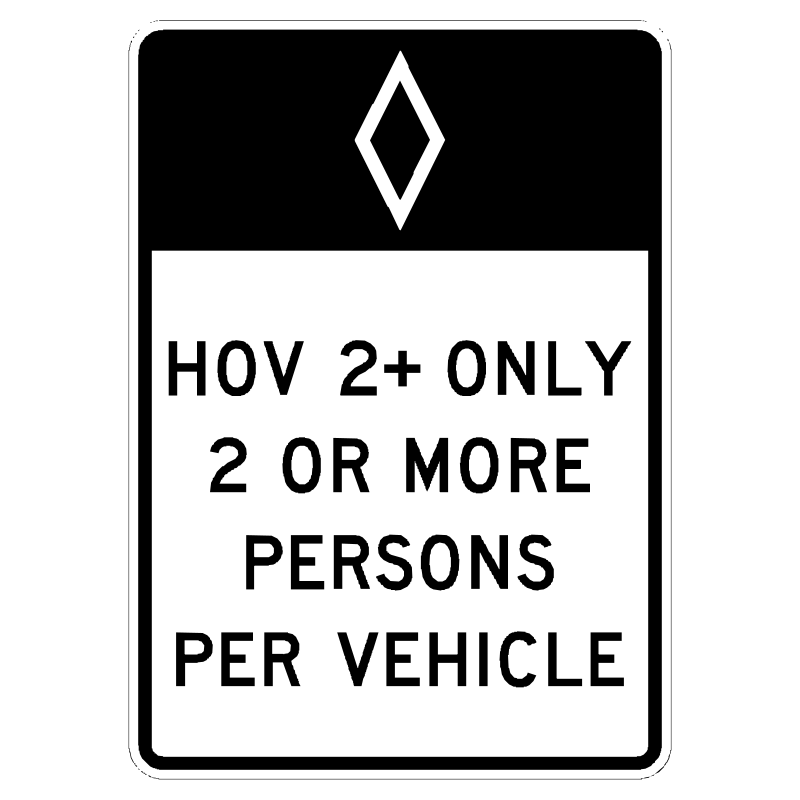
Preferential lane: vehicle occupancy
What it means: The diamond marks a lane reserved for high-occupancy vehicles, here those carrying two or more people, during the posted times.
What to do: Use the lane only if your vehicle carries at least the number of people shown.
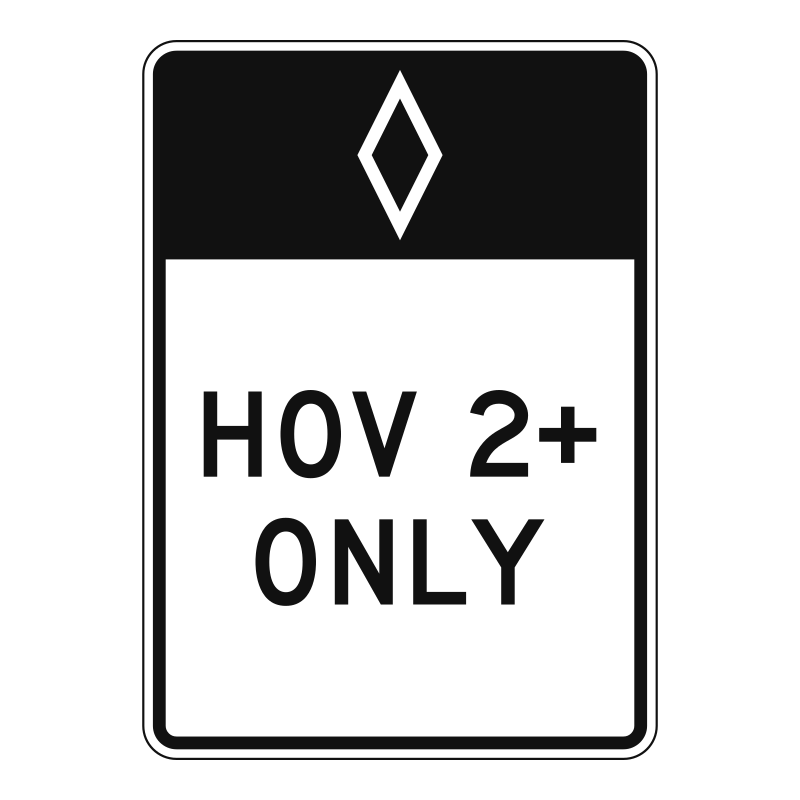
Preferential lane: HOV 2+ only
What it means: Only vehicles carrying two or more people may use this lane, during the times shown if hours are posted.
What to do: Stay out of the lane unless you meet the occupancy rule during its hours.
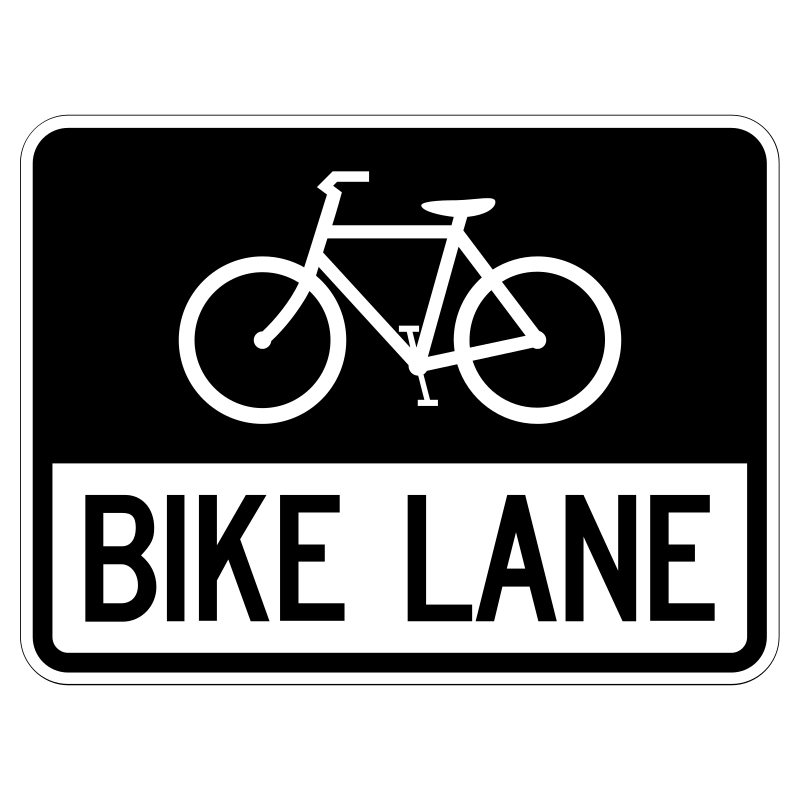
Bike lane
What it means: The marked lane is reserved for bicycles.
What to do: Do not drive or park in the bike lane; look for bicyclists before turning across it.
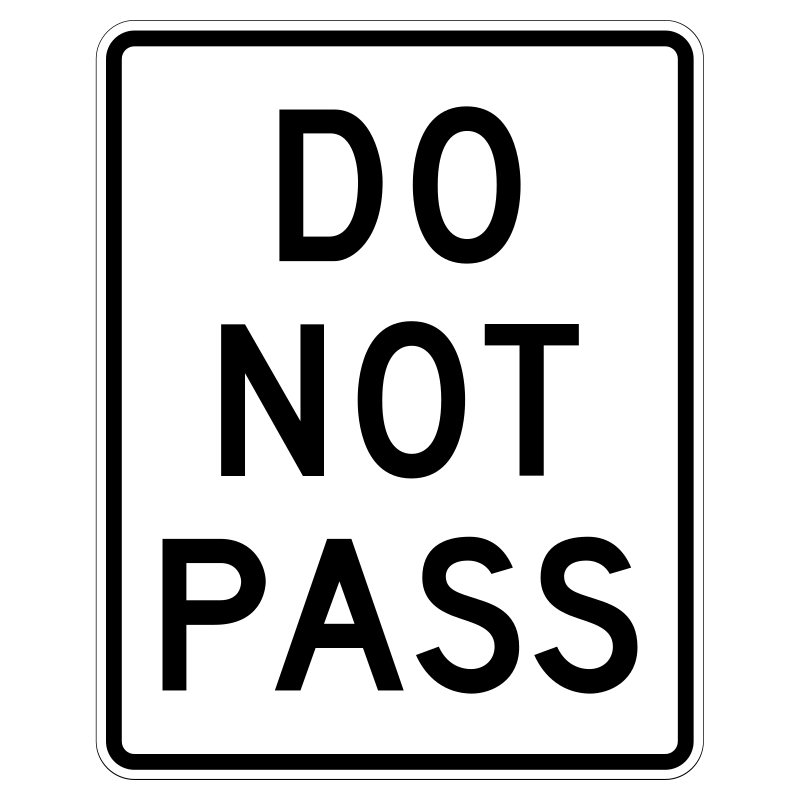
Do not pass
What it means: Passing other vehicles is not allowed here.
What to do: Stay in your lane behind slower vehicles until a sign or marking allows passing again.
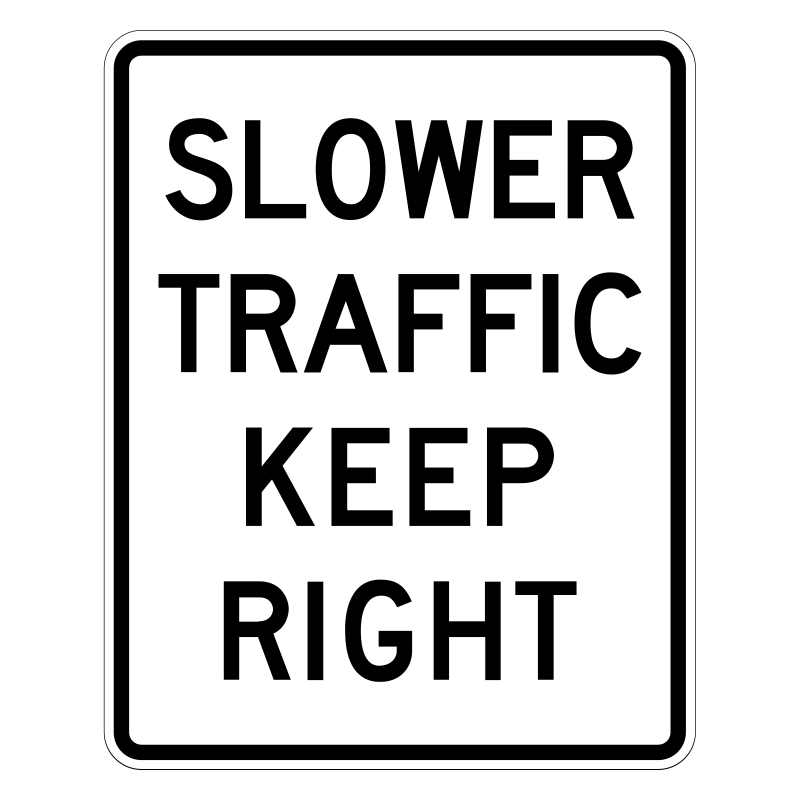
Slower traffic keep right
What it means: Drivers going slower than other traffic must use the right-hand lane.
What to do: If you are driving slower than the traffic around you, move to the right lane.
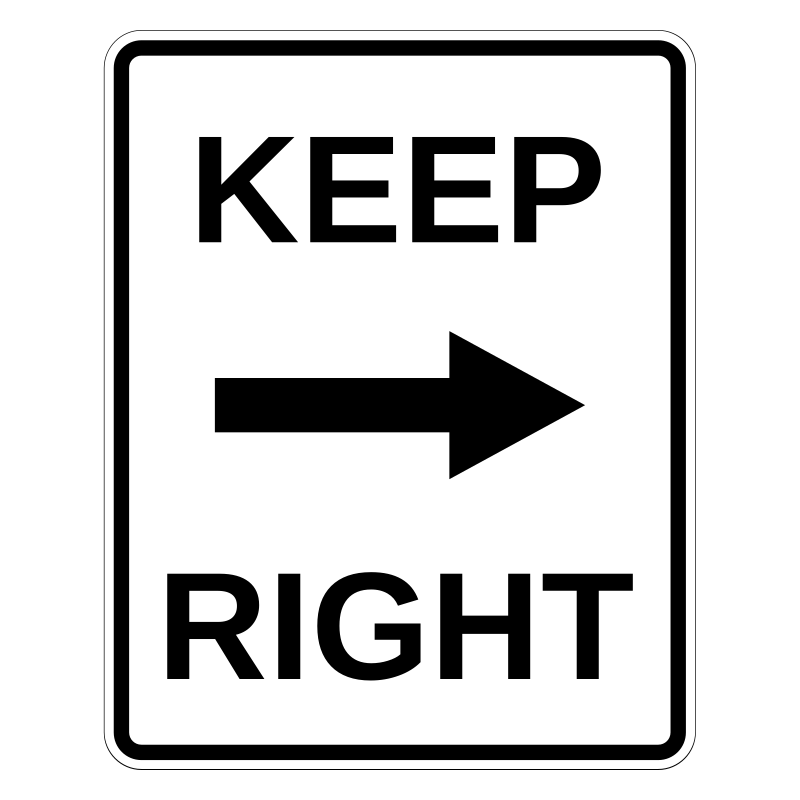
Keep right (word message)
What it means: Pass to the right of the island or obstruction.
What to do: Keep to the right side of the divider or object ahead.
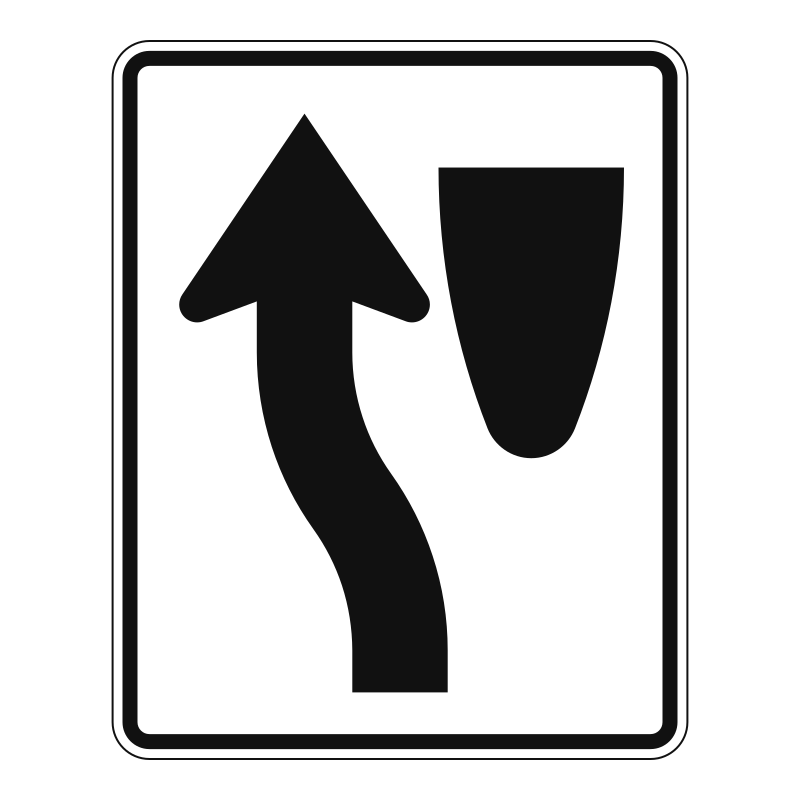
Keep left
What it means: Pass to the left of the island or obstruction.
What to do: Keep to the left side of the divider or object ahead.
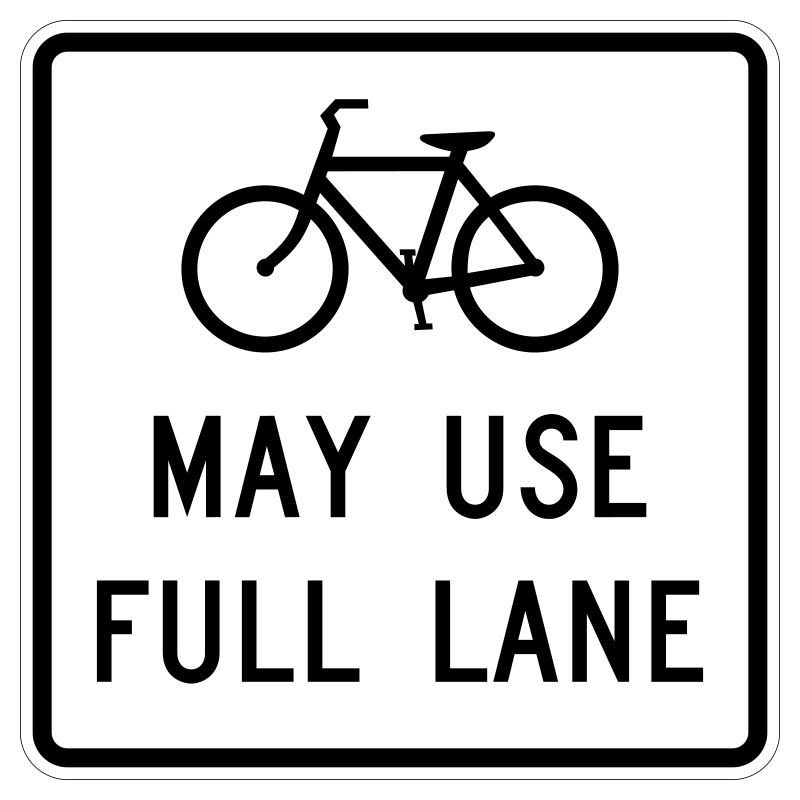
Bicycles may use full lane
What it means: Bicyclists may ride in the middle of the travel lane.
What to do: Expect bicyclists in the lane; pass only when it is safe, moving into another lane if you can.
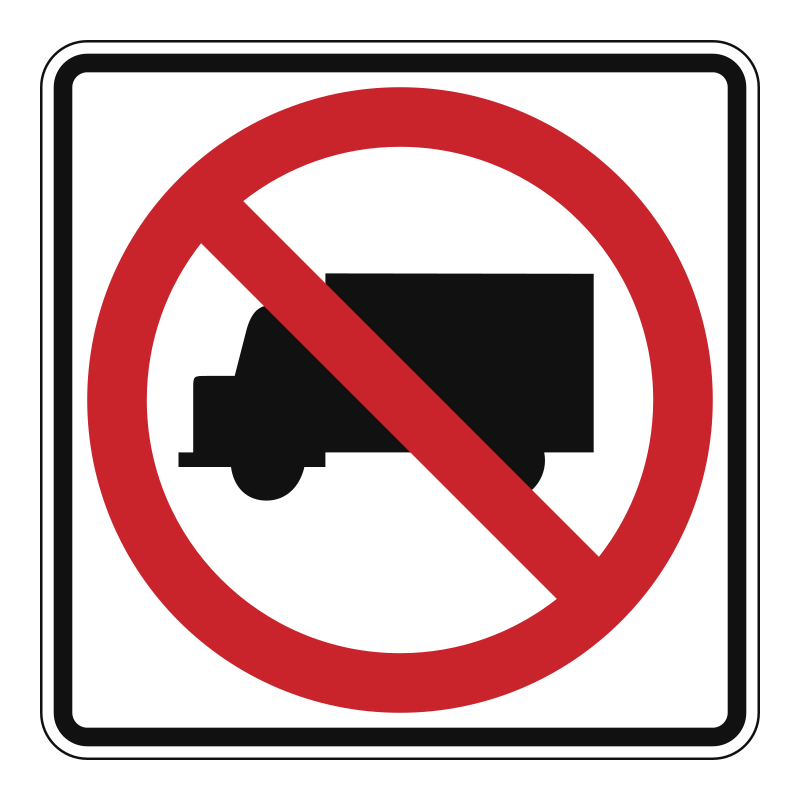
No trucks
What it means: Trucks may not use this road.
What to do: If you drive a truck, take another route.
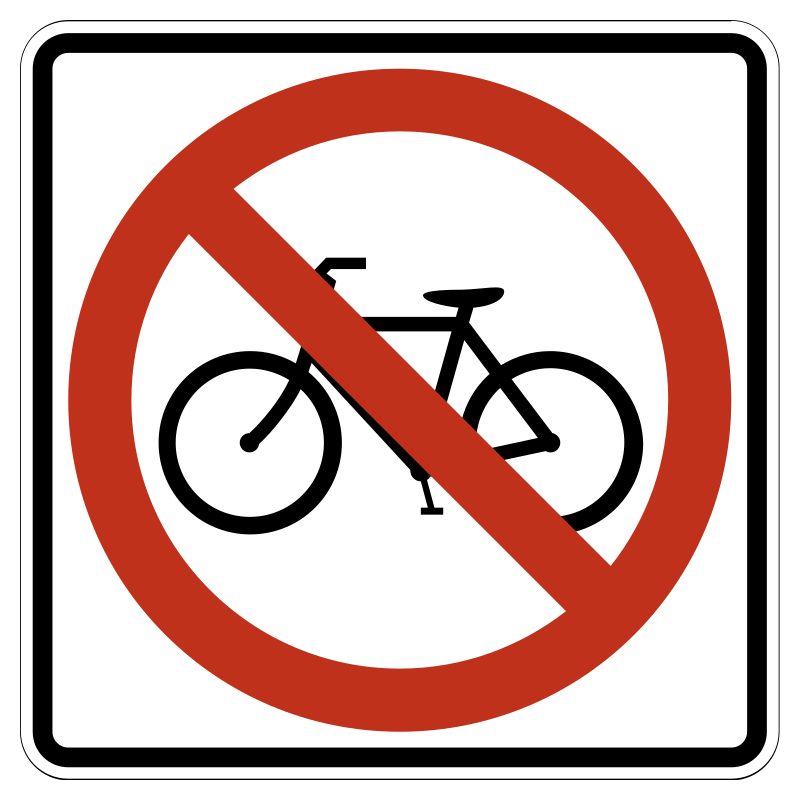
No bicycles
What it means: Bicycles may not use this road.
What to do: Bicyclists must use another route; drivers may see this sign at freeway entrances.
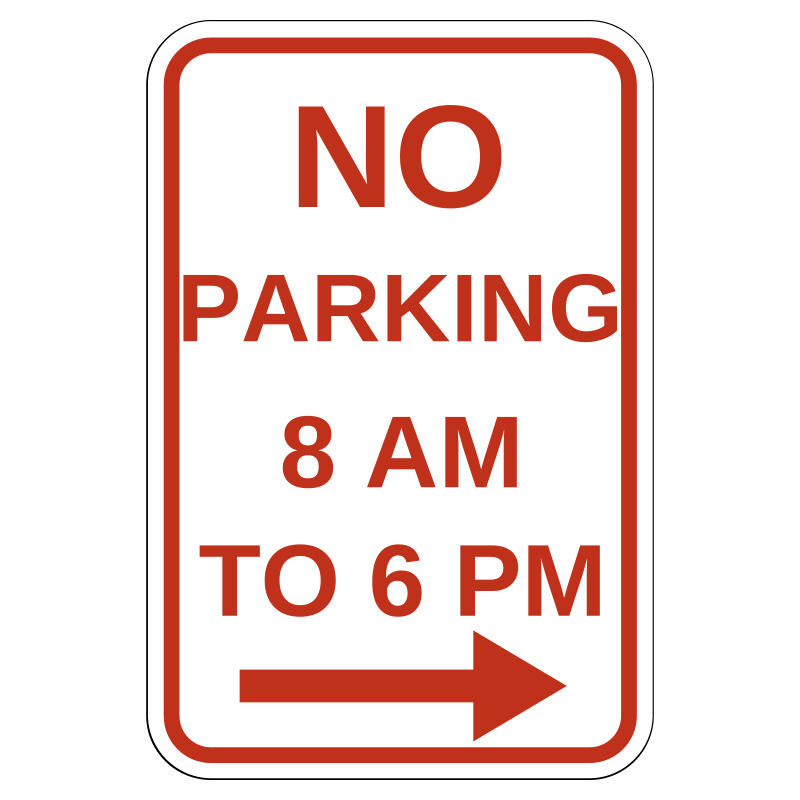
No parking during posted hours
What it means: Parking is not allowed during the hours shown.
What to do: Check the hours and the arrow; do not park on that side during those times.
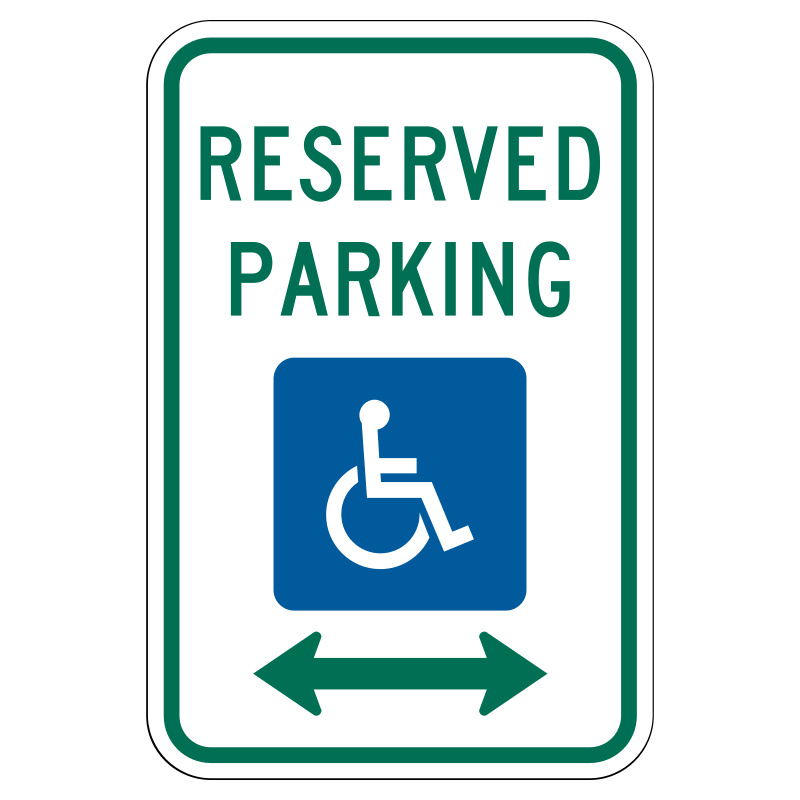
Reserved parking for persons with disabilities
What it means: The space is reserved for vehicles displaying a valid disability placard or plate.
What to do: Do not park here unless your vehicle displays a valid disability placard or plate.
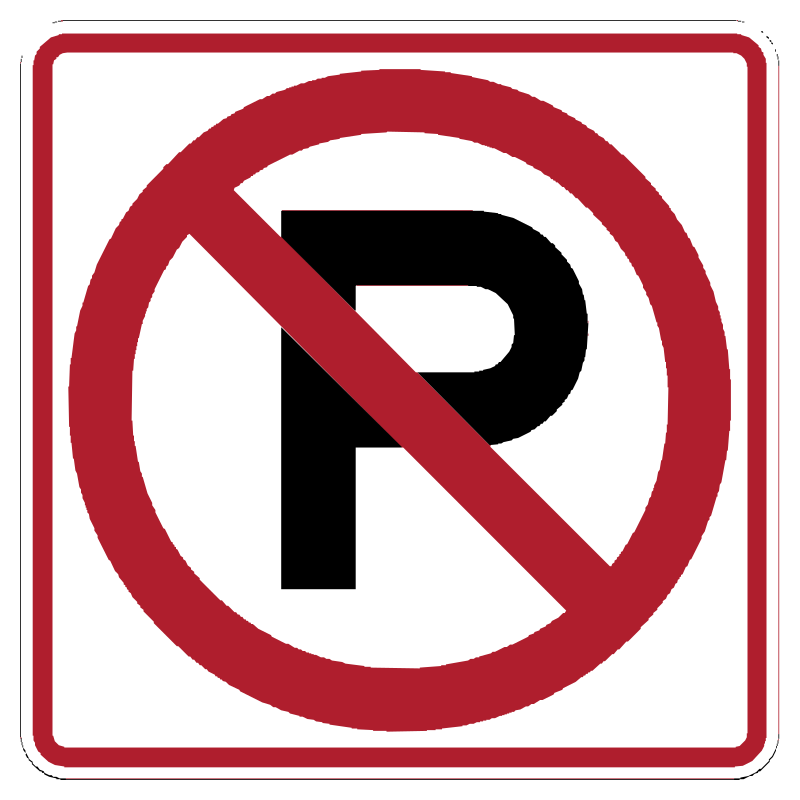
No parking (symbol)
What it means: Parking is not allowed here.
What to do: Do not leave your vehicle parked here; find a legal space.
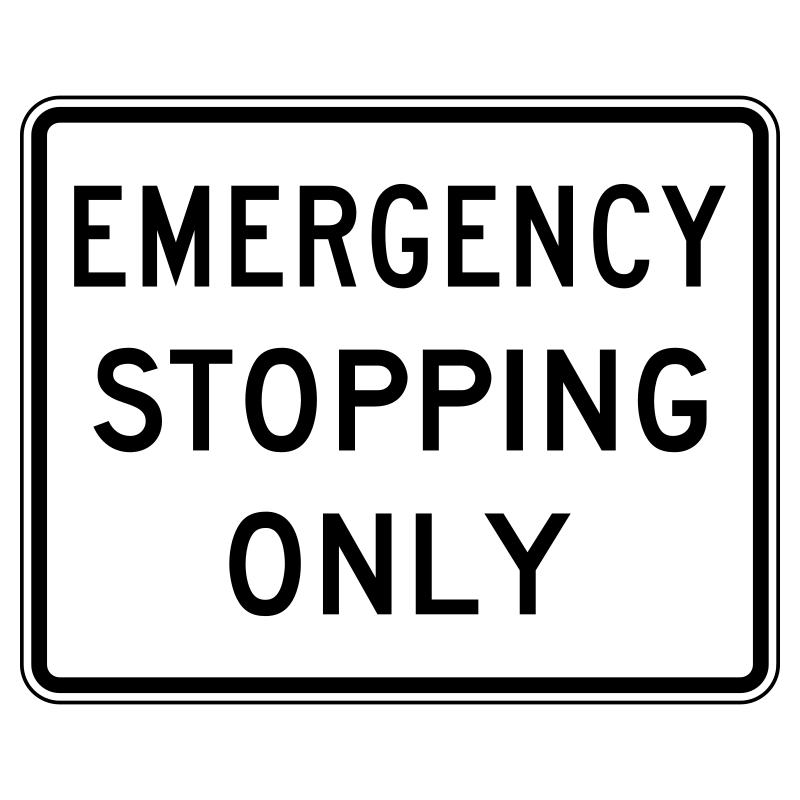
Emergency stopping only
What it means: Stopping on this road or shoulder is allowed only in an emergency.
What to do: Do not stop here unless you have an emergency such as a breakdown.
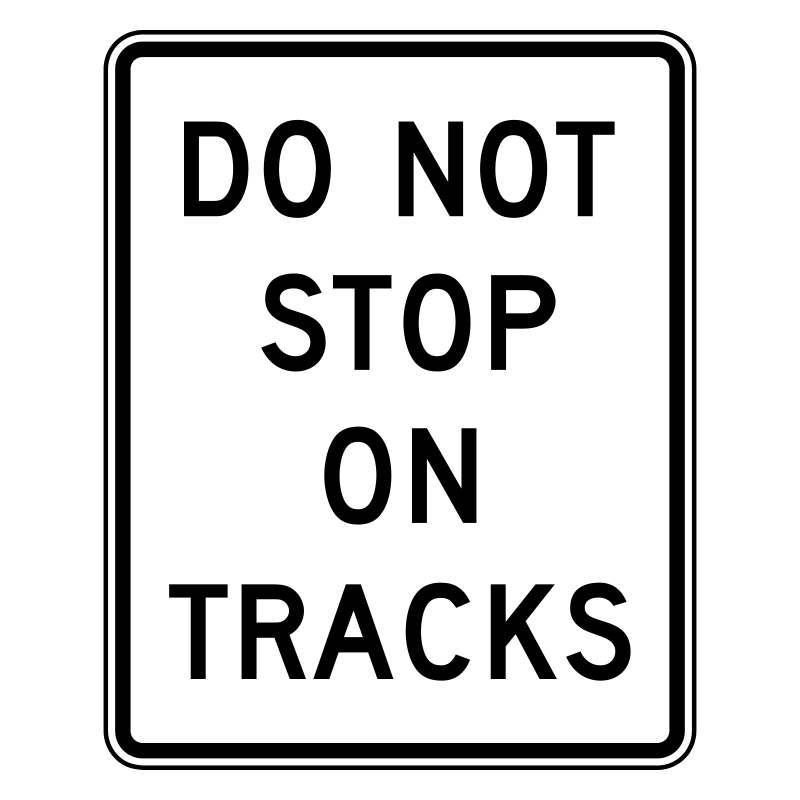
Do not stop on tracks
What it means: Never stop on railroad tracks.
What to do: Wait before the crossing until there is room for your whole vehicle on the other side.
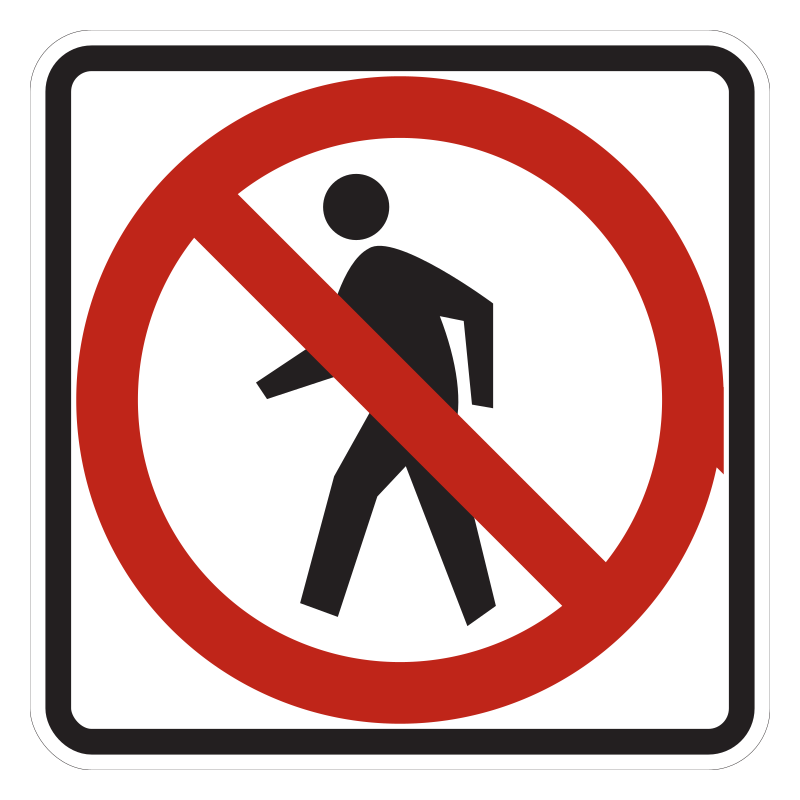
No pedestrian crossing
What it means: Pedestrians may not cross the road here.
What to do: On foot, cross at the nearest crosswalk; as a driver, still watch for people crossing.
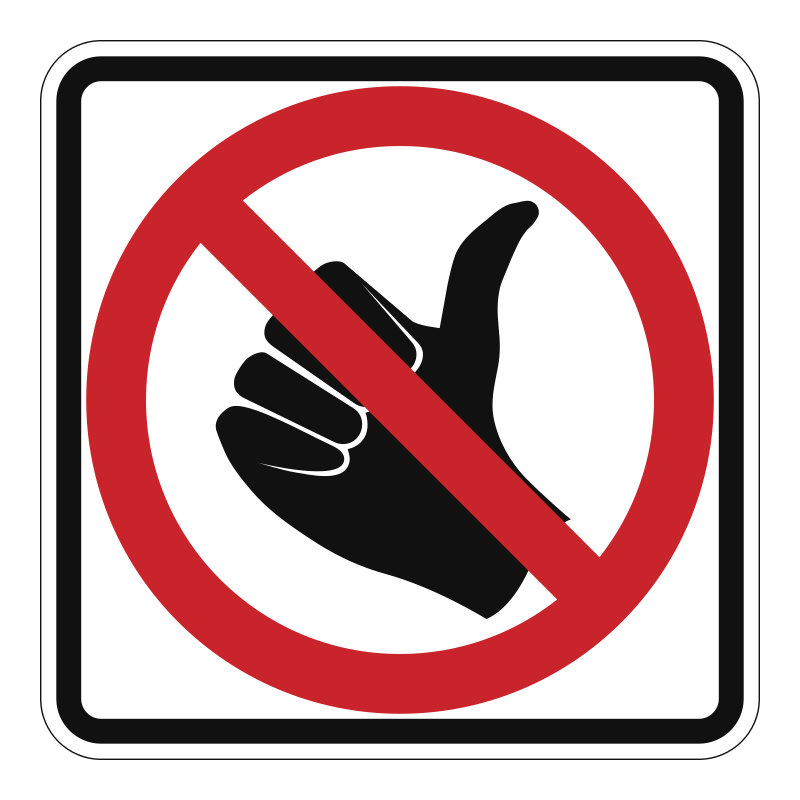
No hitchhiking
What it means: Standing in or near the road to ask for a ride is not allowed here.
What to do: Do not stop to pick up hitchhikers here.
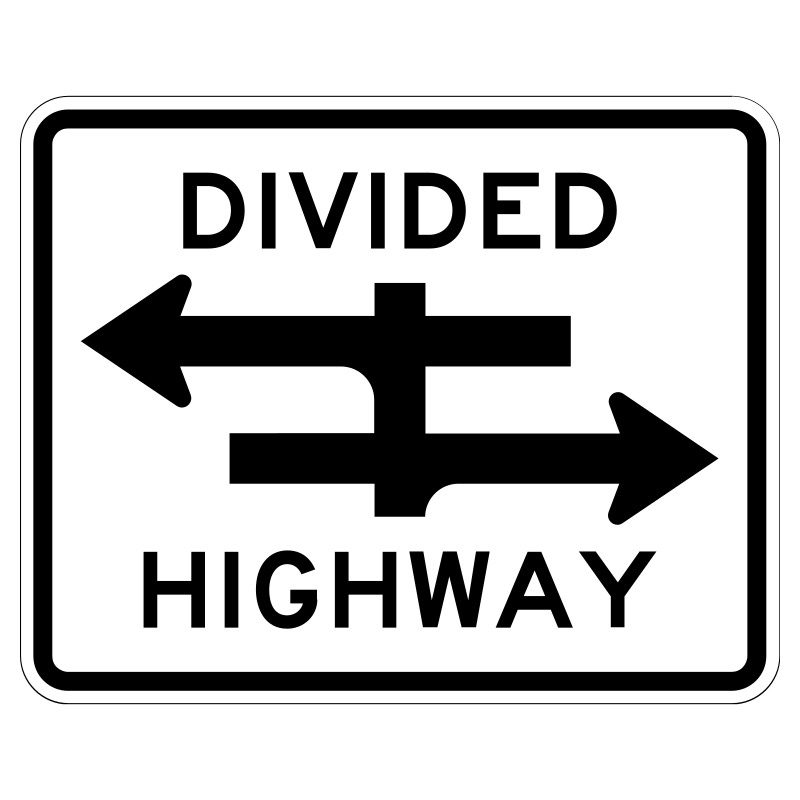
Divided highway crossing
What it means: The road ahead crosses a divided highway, where each roadway carries one-way traffic.
What to do: Treat each roadway as one-way: look the right way before crossing or turning into it.
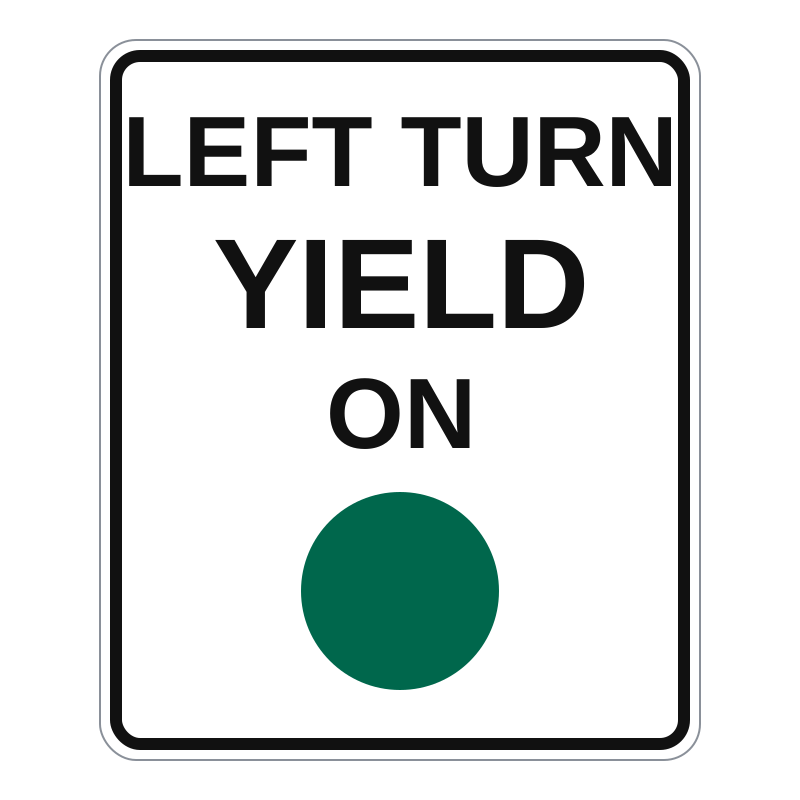
Left turn yield on green
What it means: On a green ball you may turn left, but you must yield to oncoming traffic.
What to do: Wait in the intersection area for a safe gap in oncoming traffic, then turn.
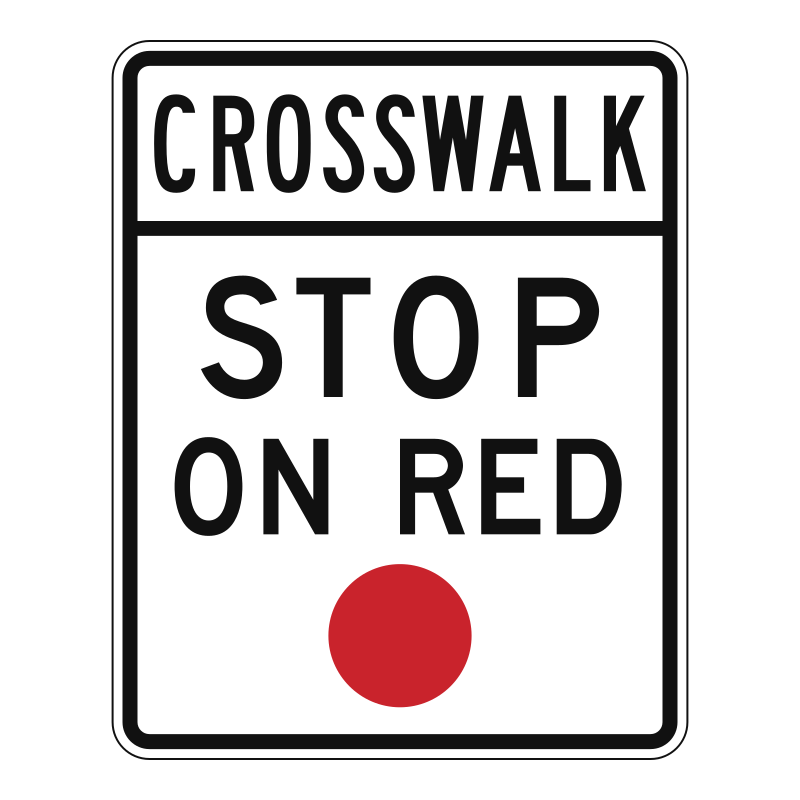
Crosswalk stop on red
What it means: Used with a pedestrian hybrid beacon: stop at the crosswalk when the signal shows red.
What to do: On steady red, stop and stay stopped; on flashing red, stop, then go only if no one is crossing.
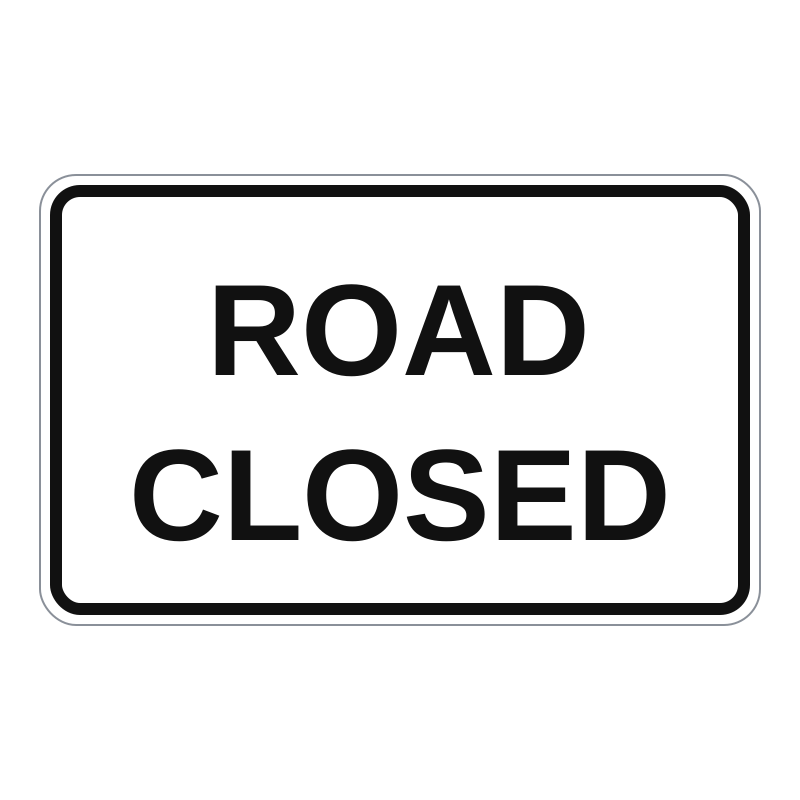
Road closed
What it means: The road is closed to all traffic.
What to do: Do not go past the sign; use another route or follow detour signs.
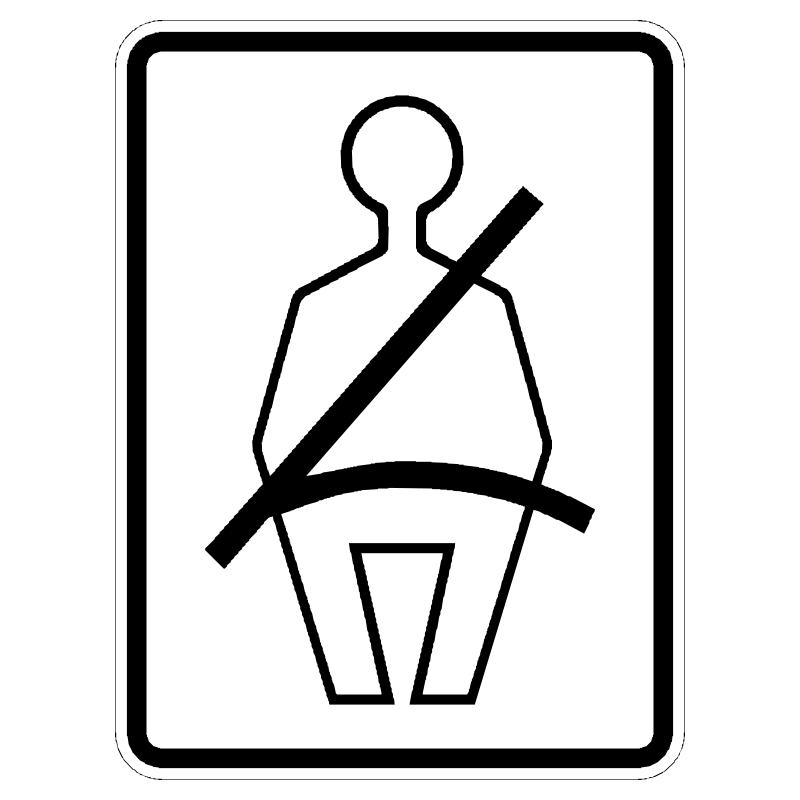
Seat belt (symbol)
What it means: A reminder that seat belts must be worn.
What to do: Make sure you and every passenger are wearing a seat belt.
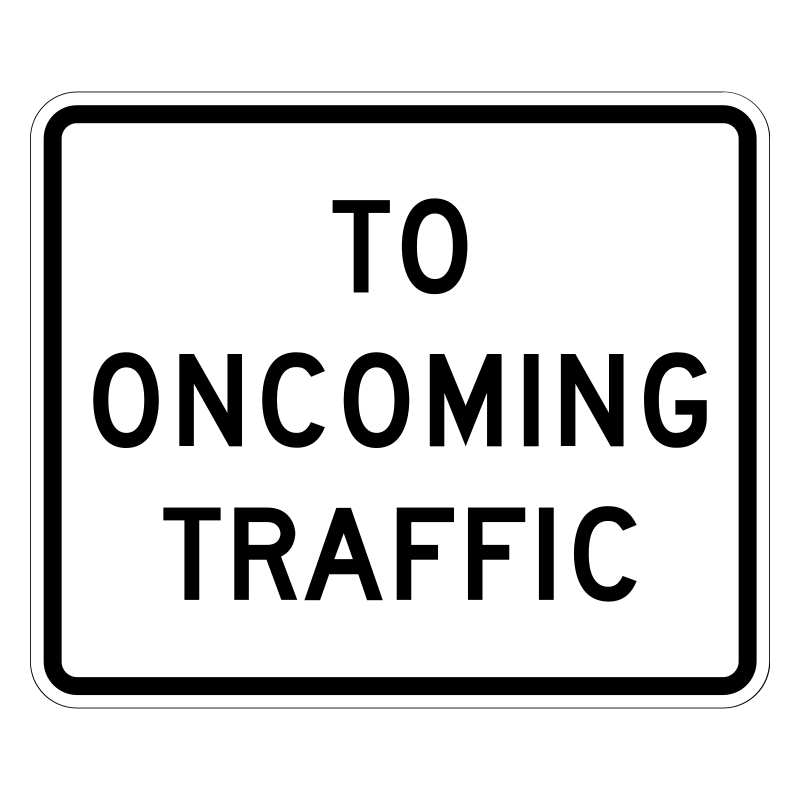
To oncoming traffic plaque
What it means: Below a YIELD sign, it means you must yield to vehicles coming from the opposite direction.
What to do: Wait for oncoming traffic to clear before you go.
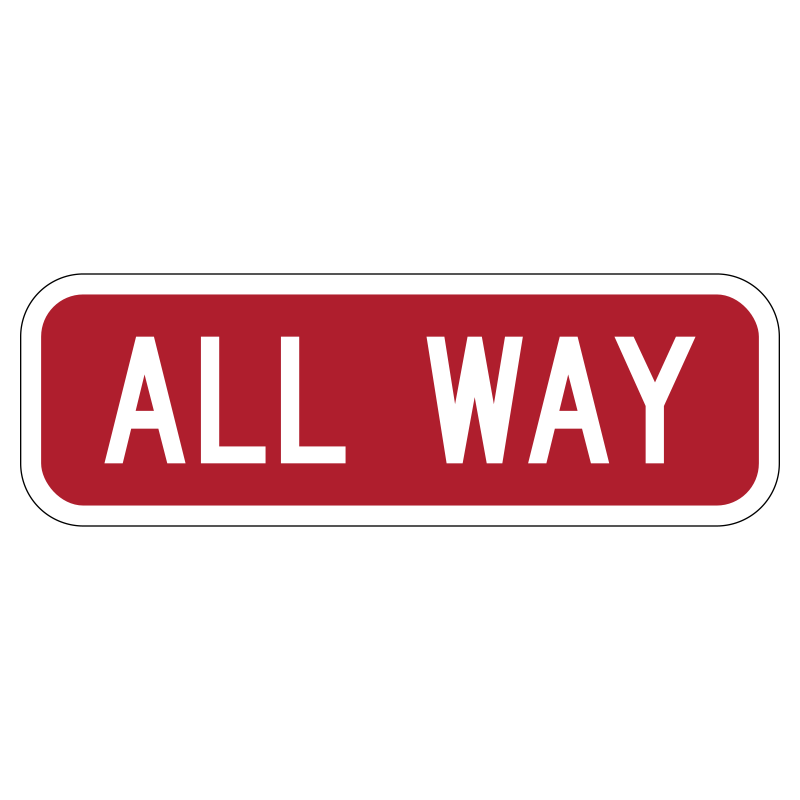
All way plaque
What it means: Below a STOP sign, it means traffic from every direction must stop.
What to do: Stop, then go in turn: the first to stop goes first; if two arrive together, yield to the driver on the right.
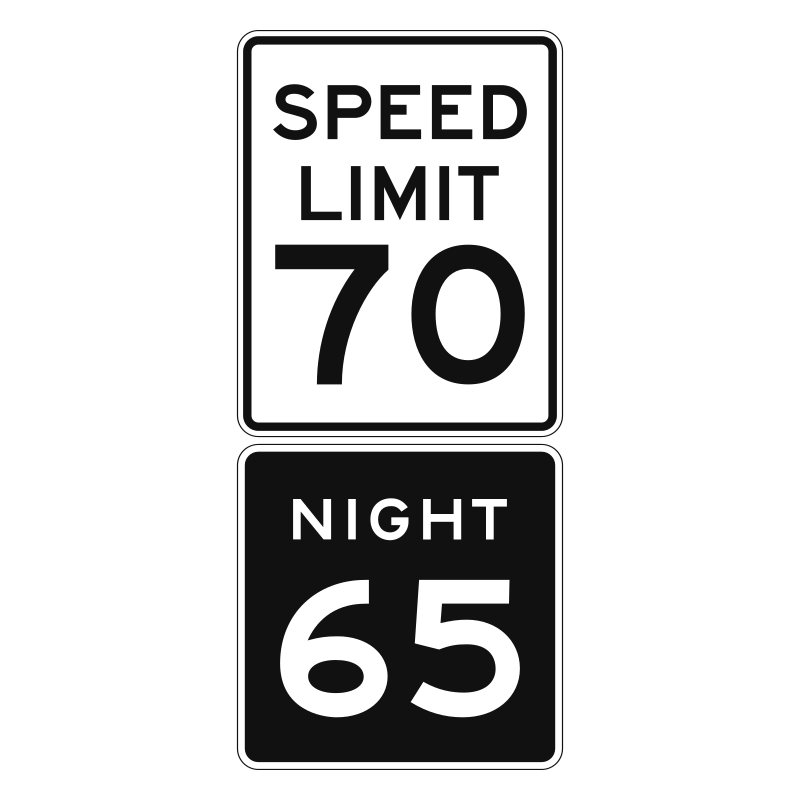
Night speed limit plaque
What it means: Below a speed limit sign, it gives a lower maximum speed that applies at night.
What to do: After dark, keep at or below the night limit.
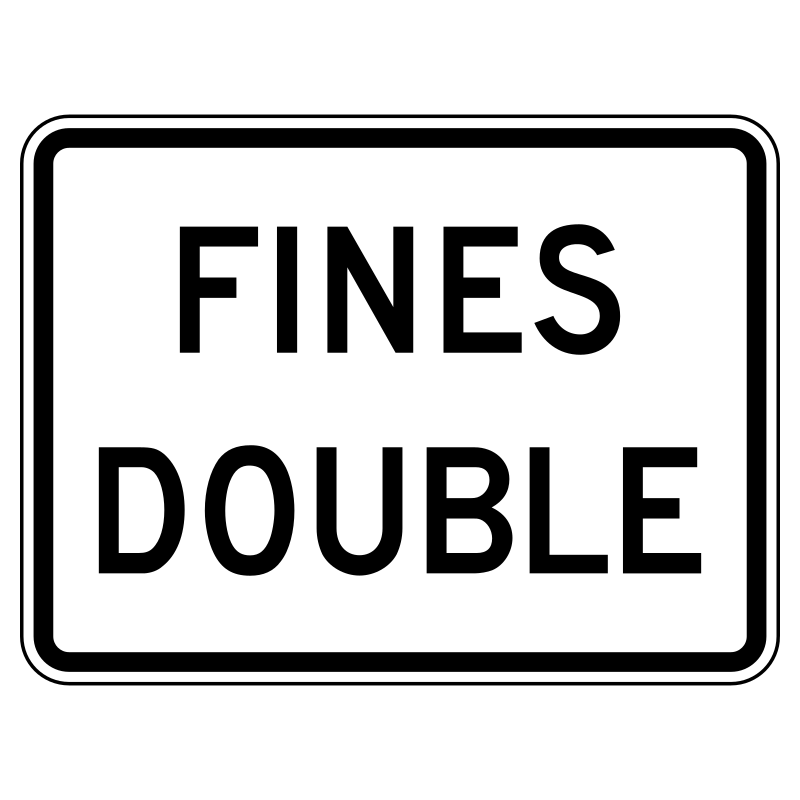
Fines double plaque
What it means: Fines for traffic violations are higher (doubled) in this zone.
What to do: Obey the speed limit and all rules carefully through the zone.
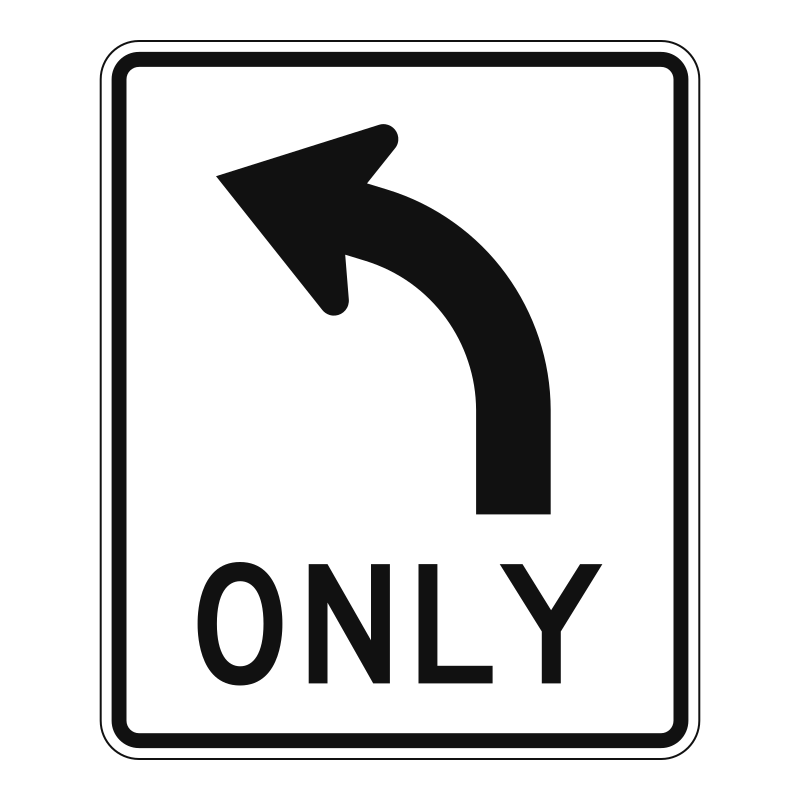
Left turn only
What it means: Vehicles in this lane must turn left.
What to do: Use this lane only if you are turning left; otherwise move out of it early.
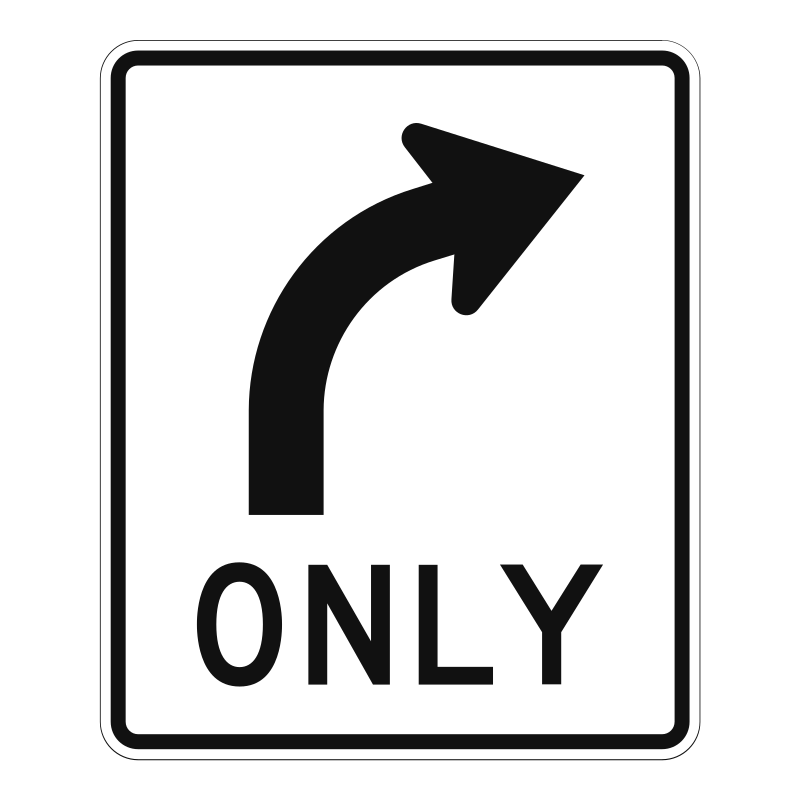
Right turn only
What it means: Vehicles in this lane must turn right.
What to do: Use this lane only if you are turning right; otherwise move out of it early.
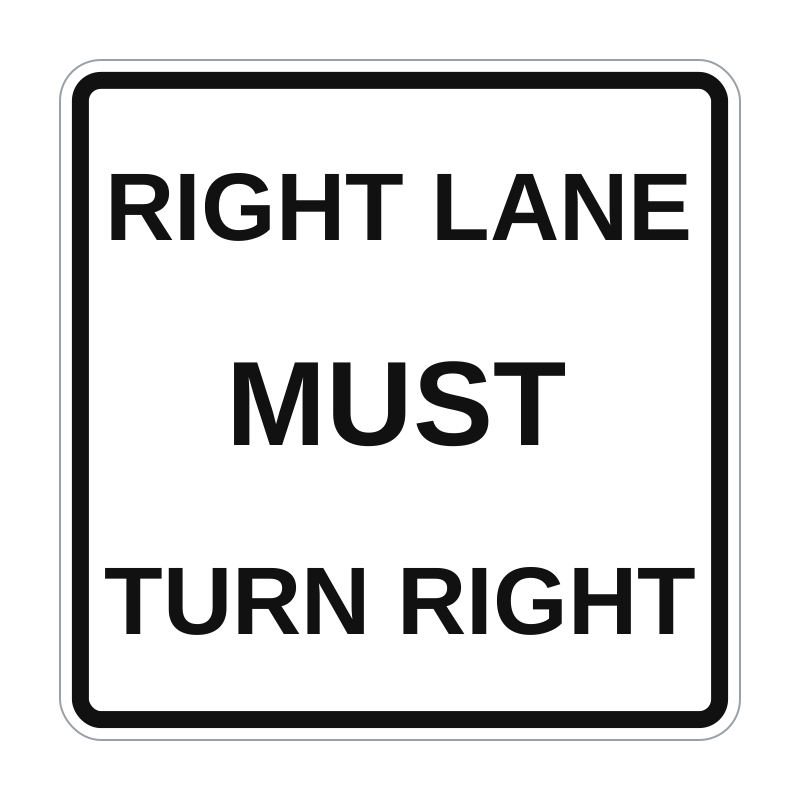
Right lane must turn right
What it means: Vehicles in the right lane must turn right at the intersection.
What to do: If you are not turning right, leave the right lane before the intersection.
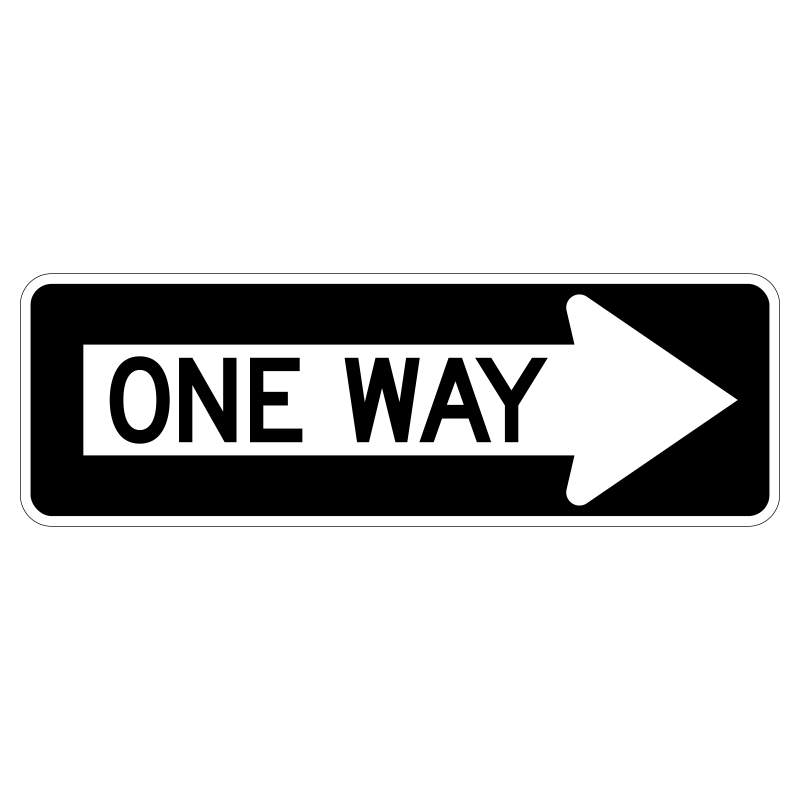
One way
What it means: Traffic on this street moves only in the direction of the arrow.
What to do: Turn onto the street only in the direction the arrow points.
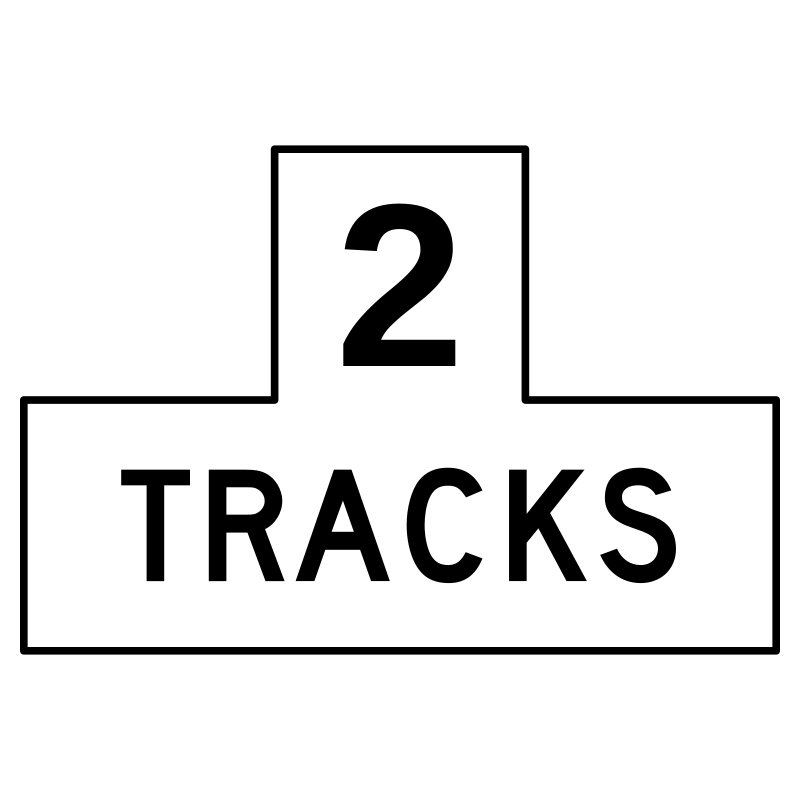
Number of tracks plaque
What it means: Below a crossbuck, it shows how many tracks the crossing has.
What to do: Look for trains on every track; after one train passes, another may be coming on a different track.
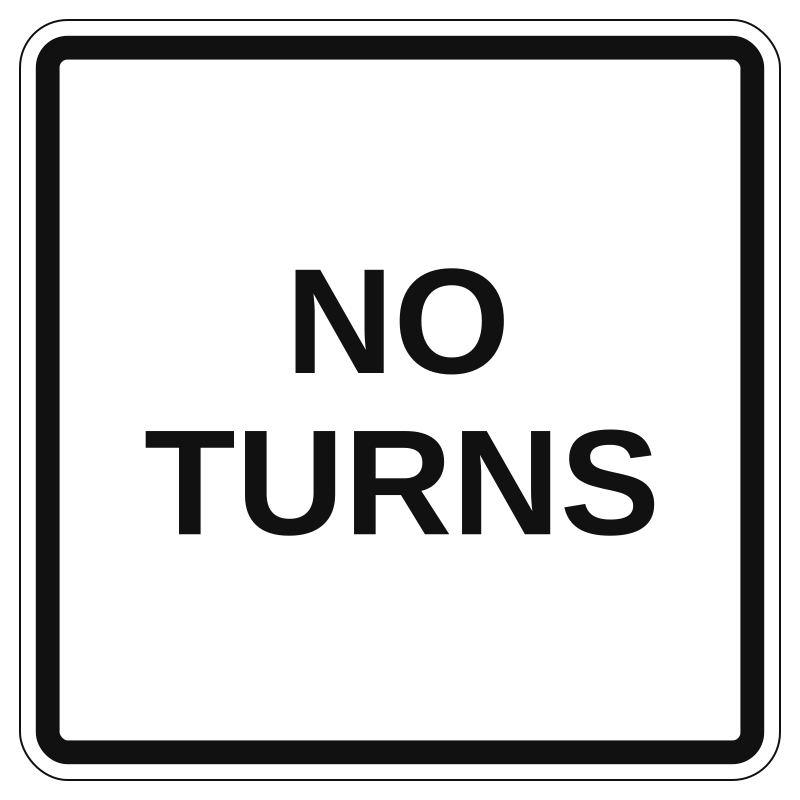
No turns
What it means: No turns of any kind are allowed here; traffic must go straight.
What to do: Do not turn left or right or make a U-turn; continue straight through.
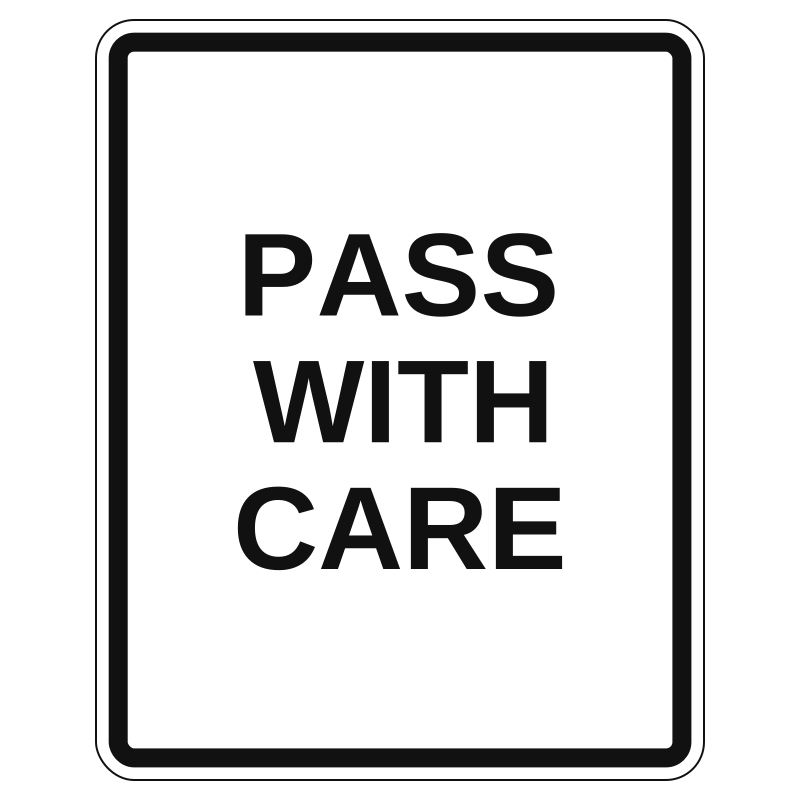
Pass with care
What it means: The no-passing zone ends; passing is allowed when it is safe.
What to do: Pass only when the oncoming lane is clear far enough ahead, and return to your lane in time.
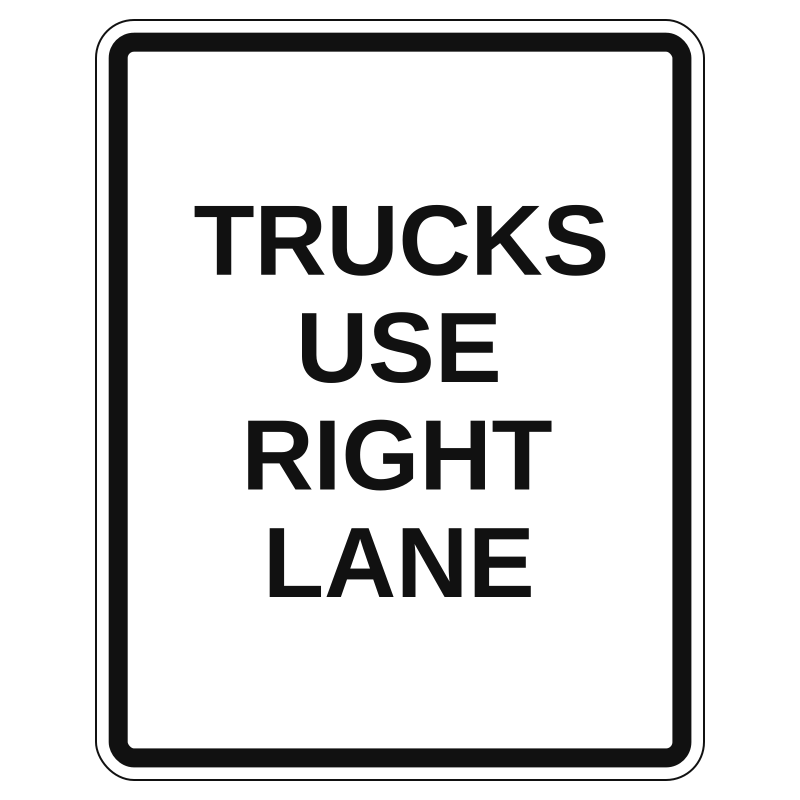
Trucks use right lane
What it means: Trucks must drive in the right lane on this multilane road.
What to do: If you drive a truck, keep to the right lane; in a car, expect trucks there and pass them on the left.
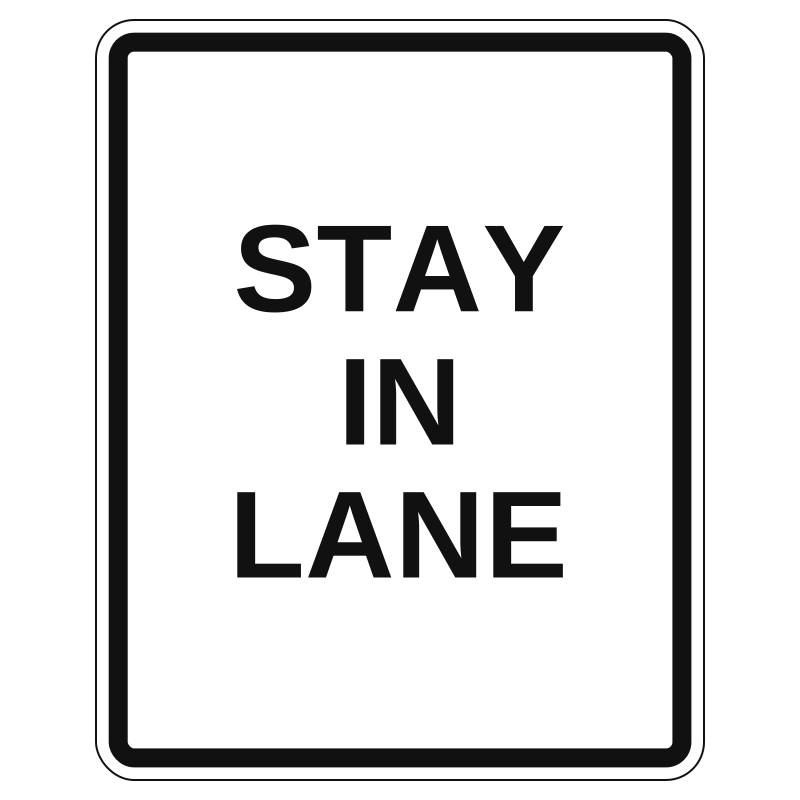
Stay in lane
What it means: Lane changes are not allowed on this stretch of road.
What to do: Stay in your lane and do not cross the lane lines until the zone ends.
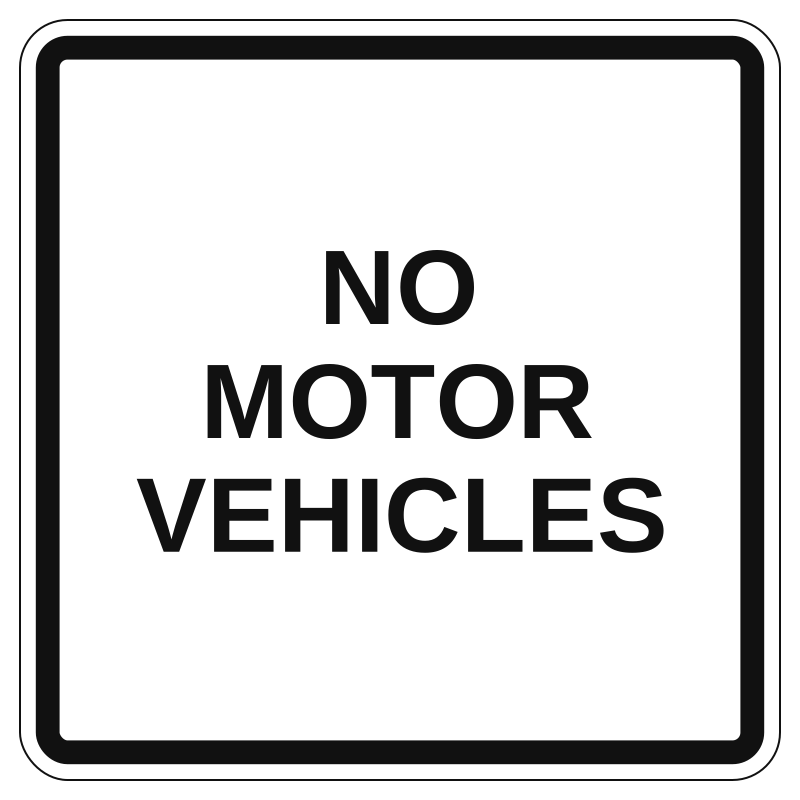
No motor vehicles
What it means: Cars, trucks and motorcycles may not use this road or path.
What to do: Do not drive onto it; find another route.
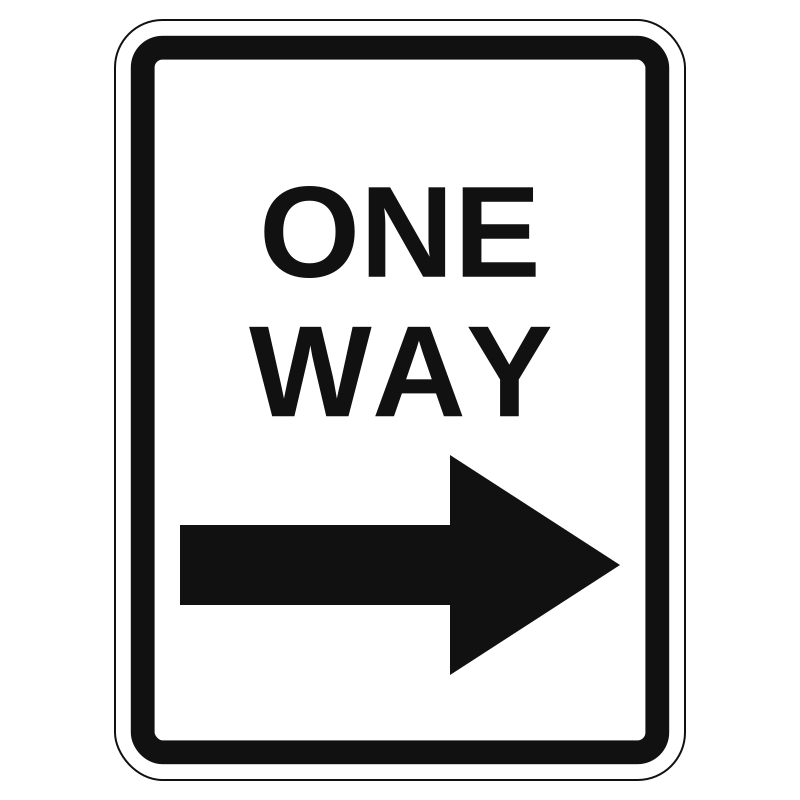
One way (vertical)
What it means: Traffic on the cross street moves only in the direction of the arrow.
What to do: Turn only in the direction of the arrow; never drive against it.
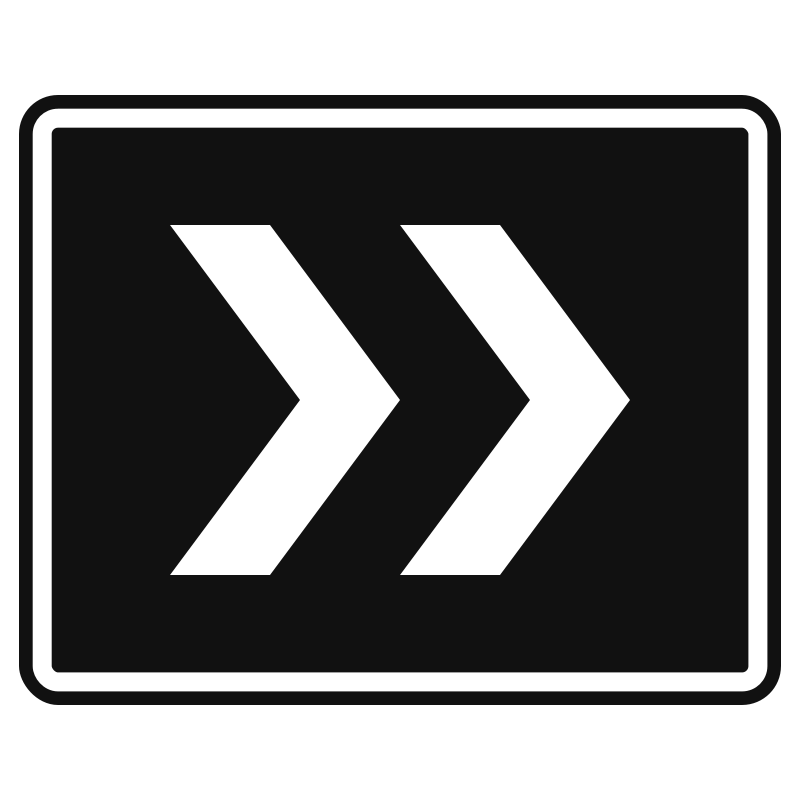
Roundabout directional arrow
What it means: Placed on a roundabout's central island: traffic goes around counterclockwise, to the right.
What to do: Yield on entry, then drive to the right around the island; never turn left into the roundabout.
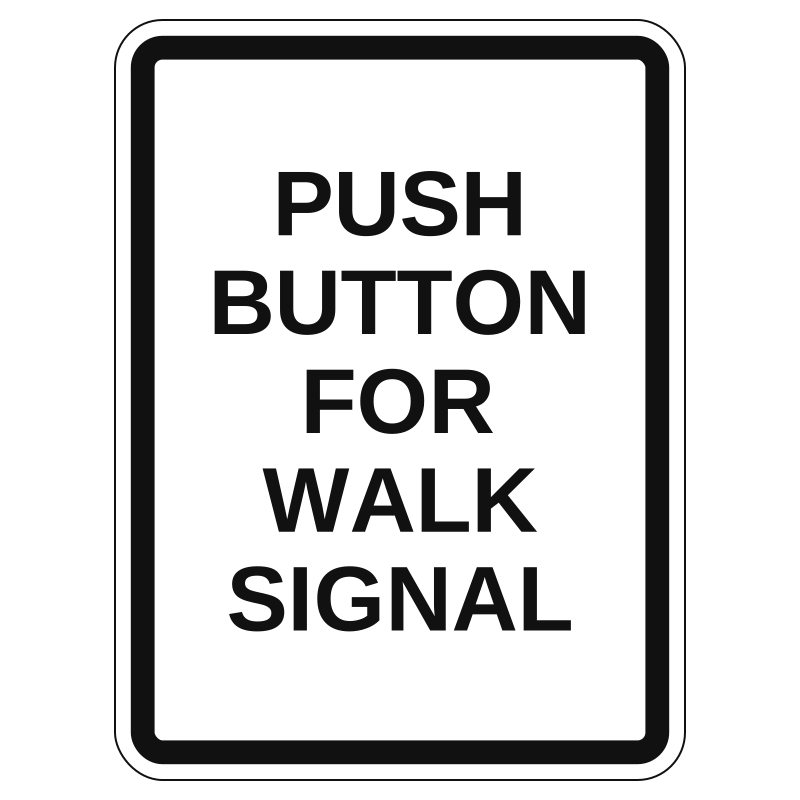
Push button for walk signal
What it means: At this crossing, the walk signal comes on only when a pedestrian pushes the button.
What to do: On foot, push the button and wait for WALK; when driving, watch for people waiting to cross.
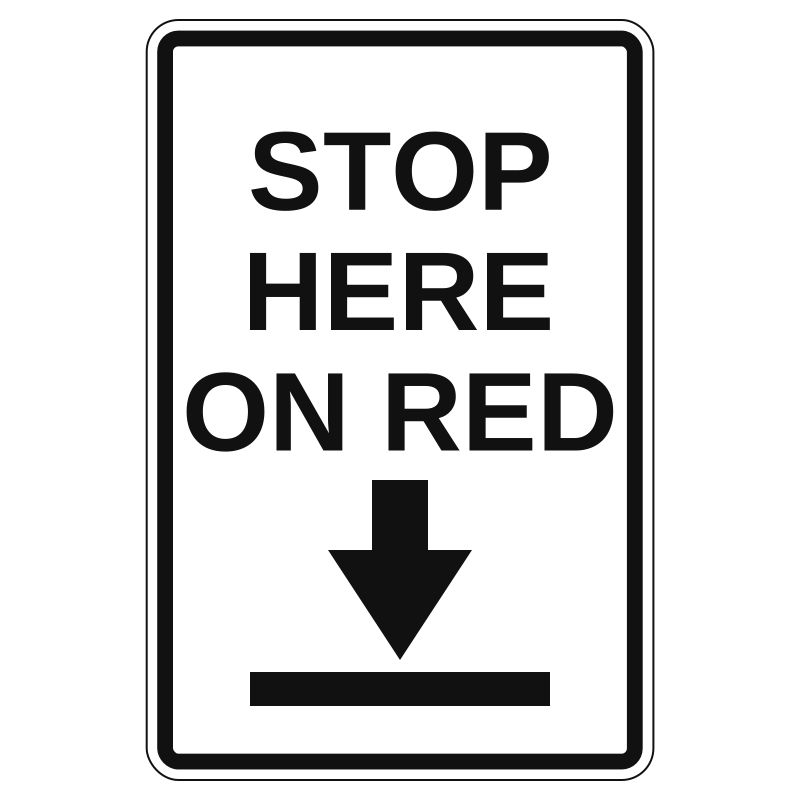
Stop here on red
What it means: Shows where to stop when the signal is red, often set back from the intersection.
What to do: On red, stop behind the stop line the arrow points to, not closer to the intersection.
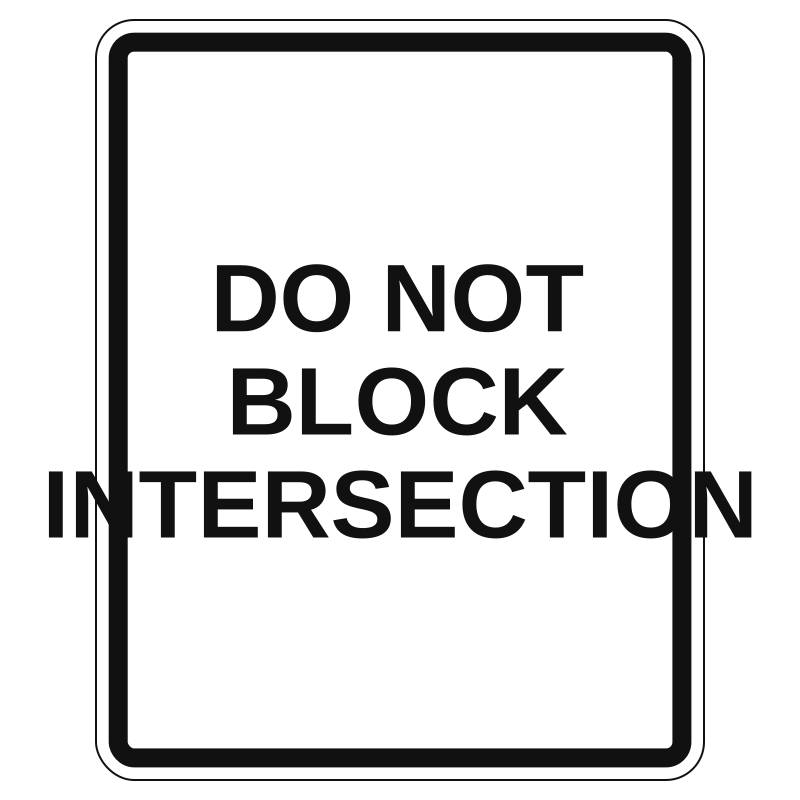
Do not block intersection
What it means: Do not enter the intersection unless there is room to clear it on the other side.
What to do: Wait before the intersection, even on green, until traffic ahead leaves room for your vehicle.
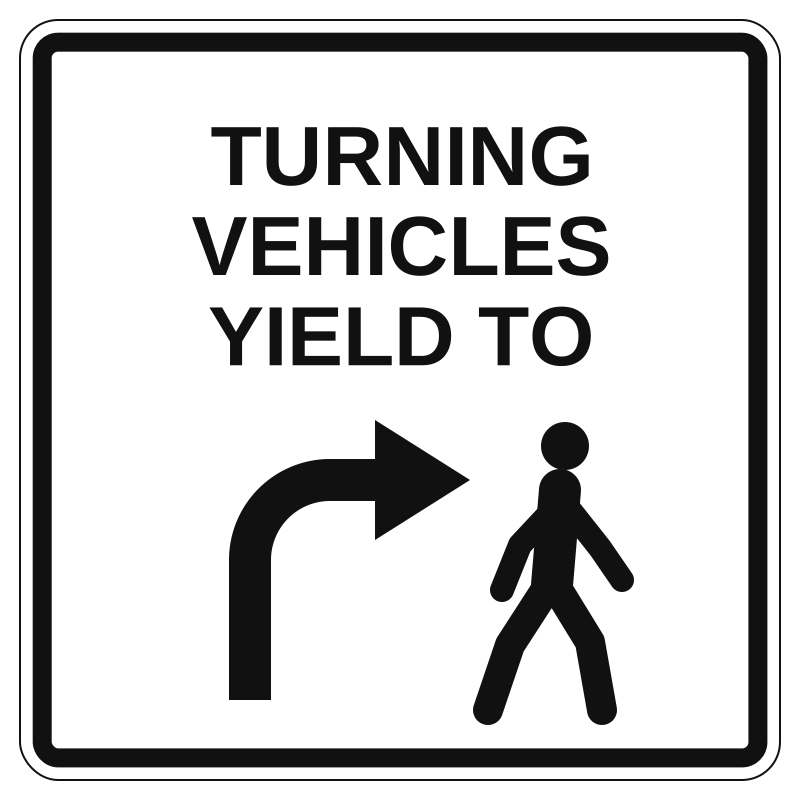
Turning vehicles yield to pedestrians
What it means: Drivers turning at this intersection must yield to people in the crosswalk.
What to do: Before and during your turn, check the crosswalk and let pedestrians finish crossing.
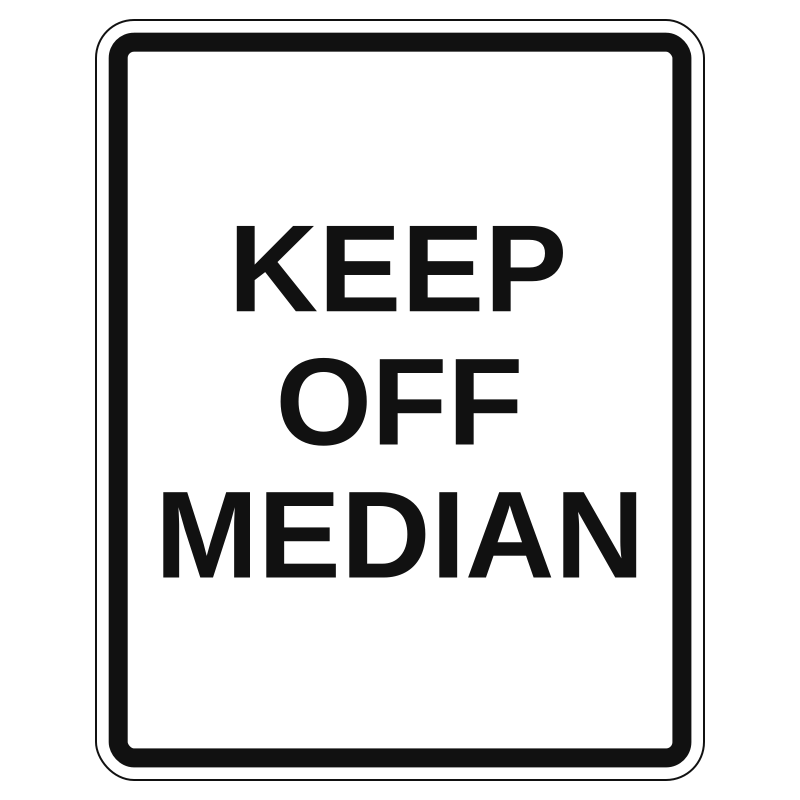
Keep off median
What it means: Vehicles may not drive, stop or park on the median.
What to do: Stay on the roadway and do not cross or use the median.
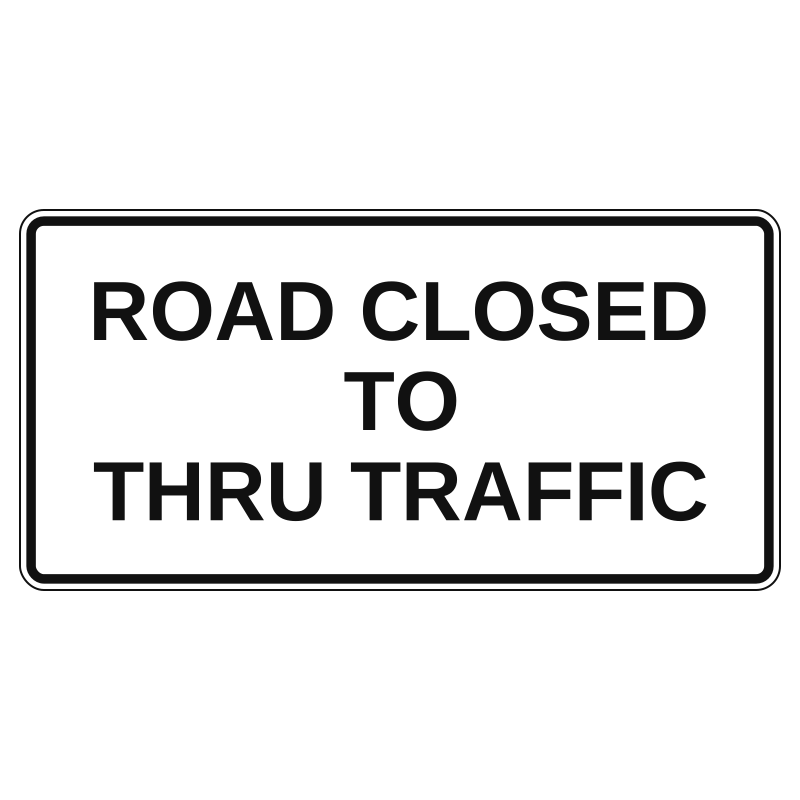
Road closed to thru traffic
What it means: Only local traffic may use the road; there is no way through.
What to do: Use it only to reach a place on this road; otherwise follow the detour or another route.
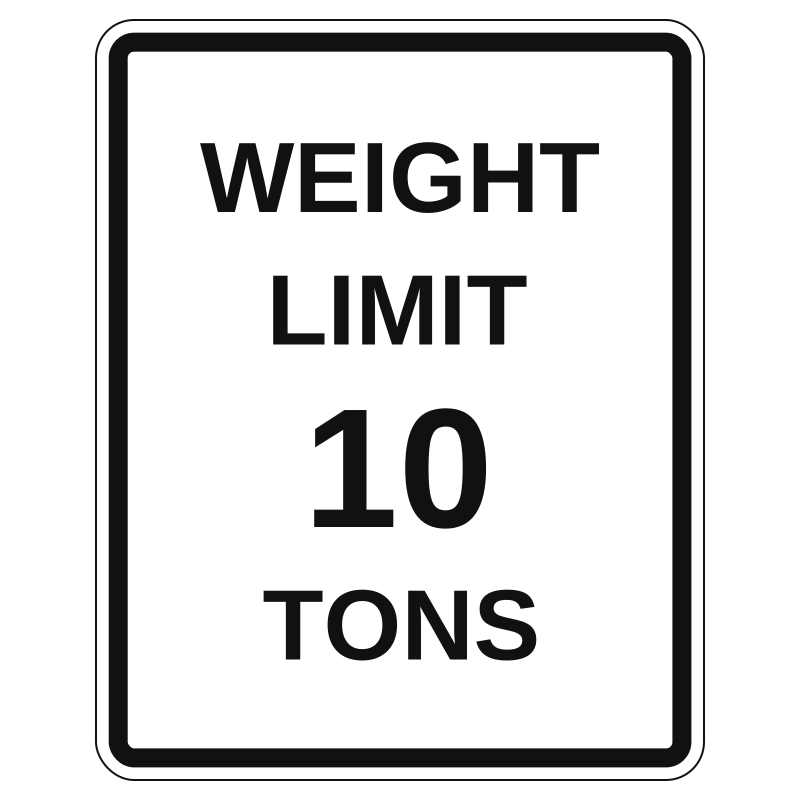
Weight limit
What it means: Vehicles heavier than the posted weight may not use the road or bridge.
What to do: If your loaded vehicle weighs more than the limit, take another route.
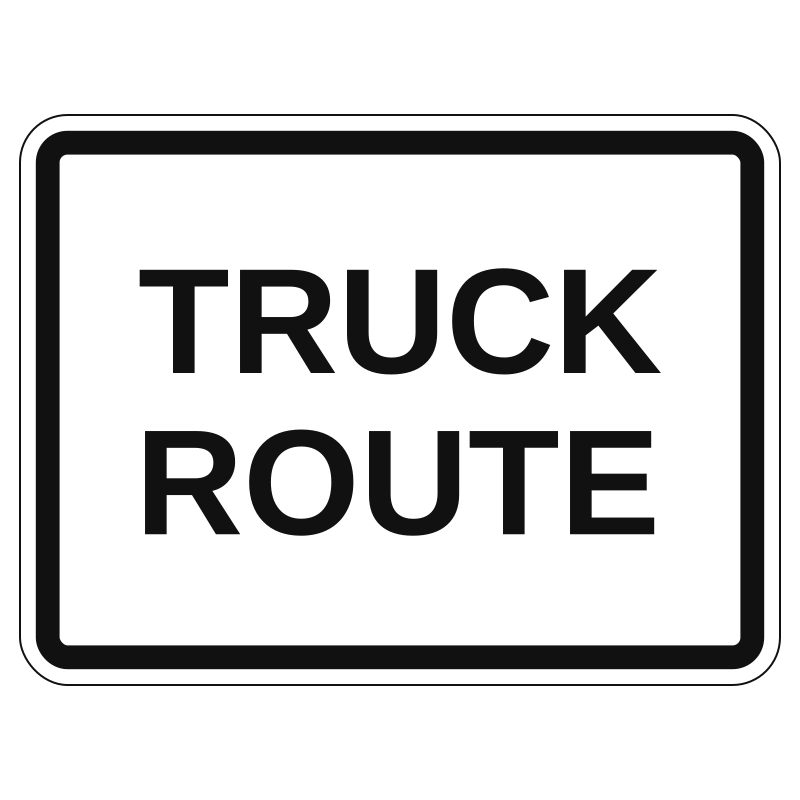
Truck route
What it means: Marks a street or highway that trucks are directed to use.
What to do: If you drive a truck, follow the truck route; other drivers should expect trucks on it.
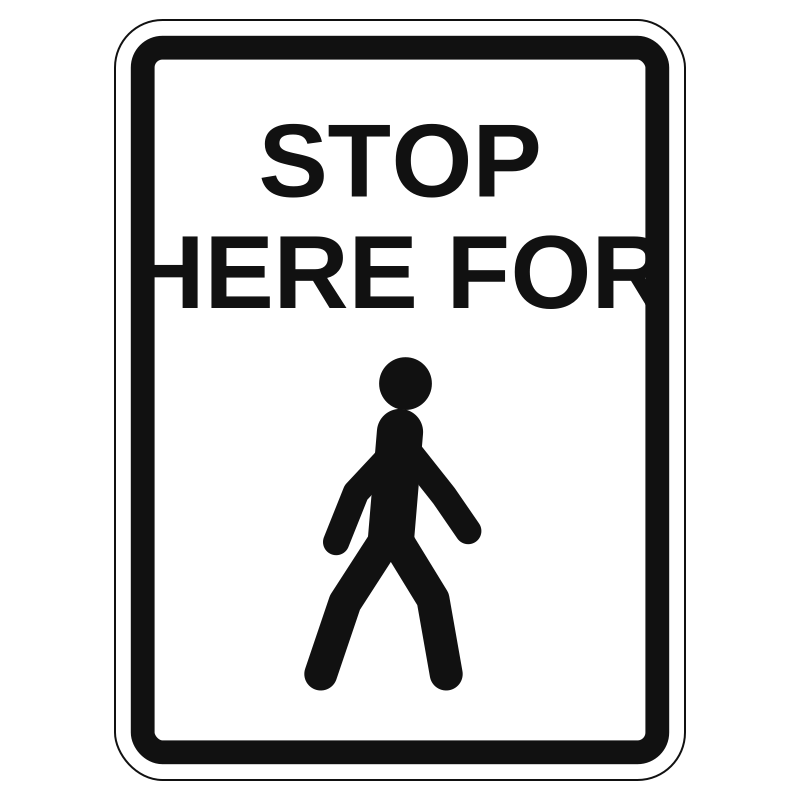
Stop here for pedestrians
What it means: Marks where to stop for people using the crosswalk ahead, usually at a stop line before it.
What to do: When someone is crossing or about to cross, stop at this line, not at the crosswalk itself.
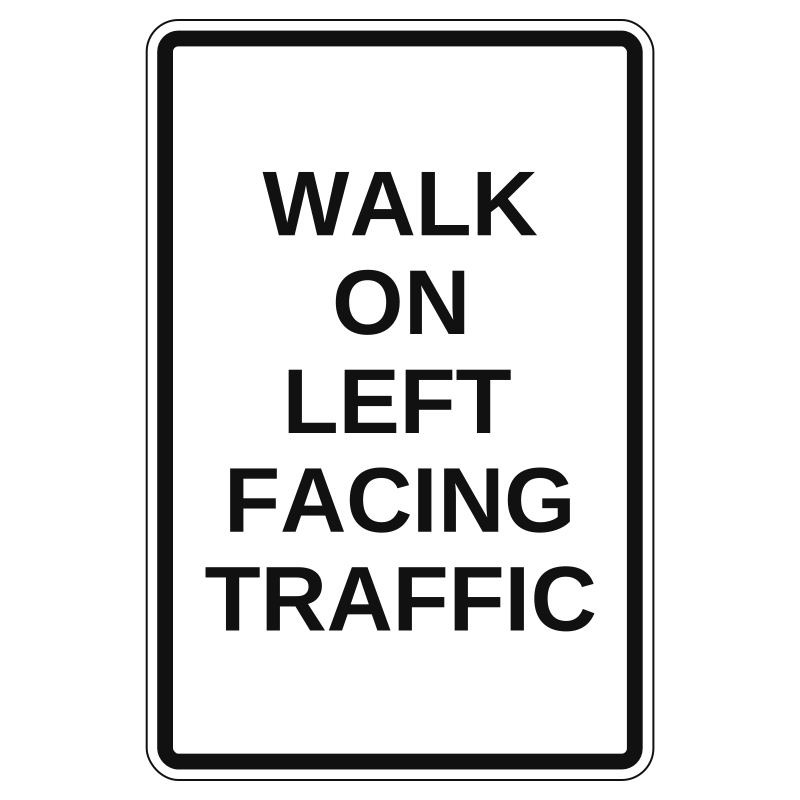
Walk on left facing traffic
What it means: Where there is no sidewalk, pedestrians should walk on the left side, facing oncoming traffic.
What to do: On foot, keep to the left edge facing traffic; when driving, expect people walking toward you and give them room.
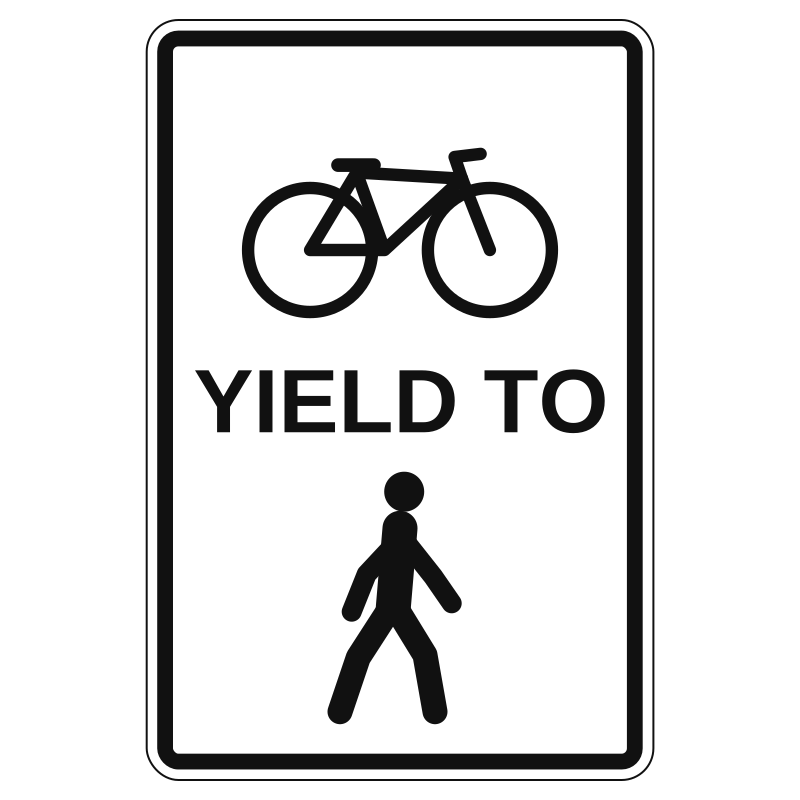
Bicycles yield to pedestrians
What it means: On this shared path, bicyclists must yield to people walking.
What to do: When riding, slow down, warn before passing and yield to pedestrians.
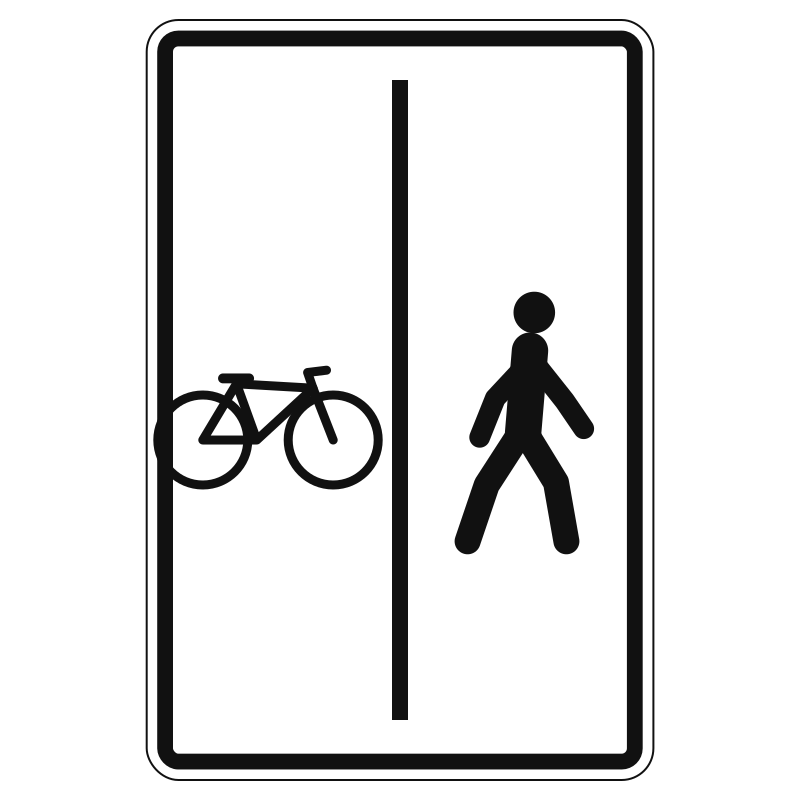
Shared-use path: bicycles left, pedestrians right
What it means: The path is split: bicyclists use the left side and pedestrians the right side.
What to do: Keep to the side shown for the way you are traveling.
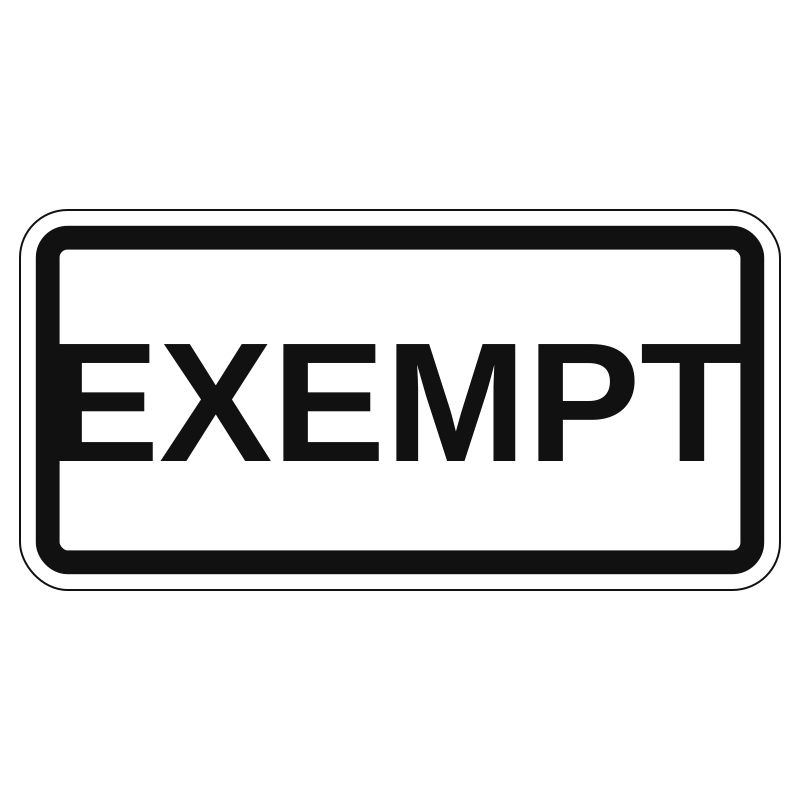
Exempt plaque
What it means: Below a railroad crossbuck: vehicles that normally must stop, such as school buses and hazardous-material carriers, need not stop here unless a train is coming.
What to do: Buses and hazardous-material vehicles may cross without stopping, but everyone must still stop for an approaching train.
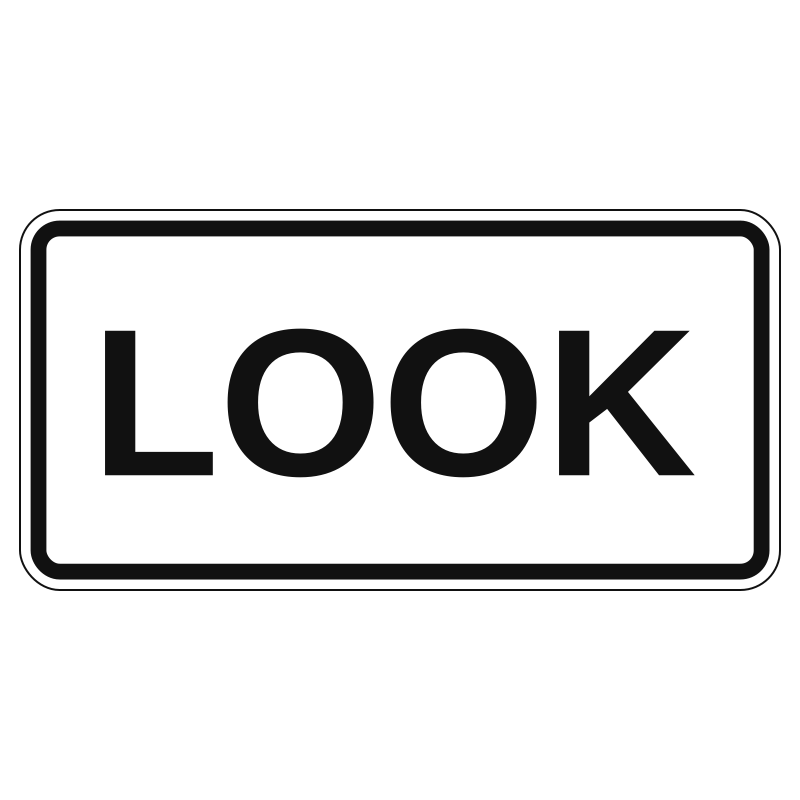
Look plaque
What it means: At a railroad crossing: look both ways for trains before you cross.
What to do: Slow down, look and listen in both directions, and cross only when no train is coming.
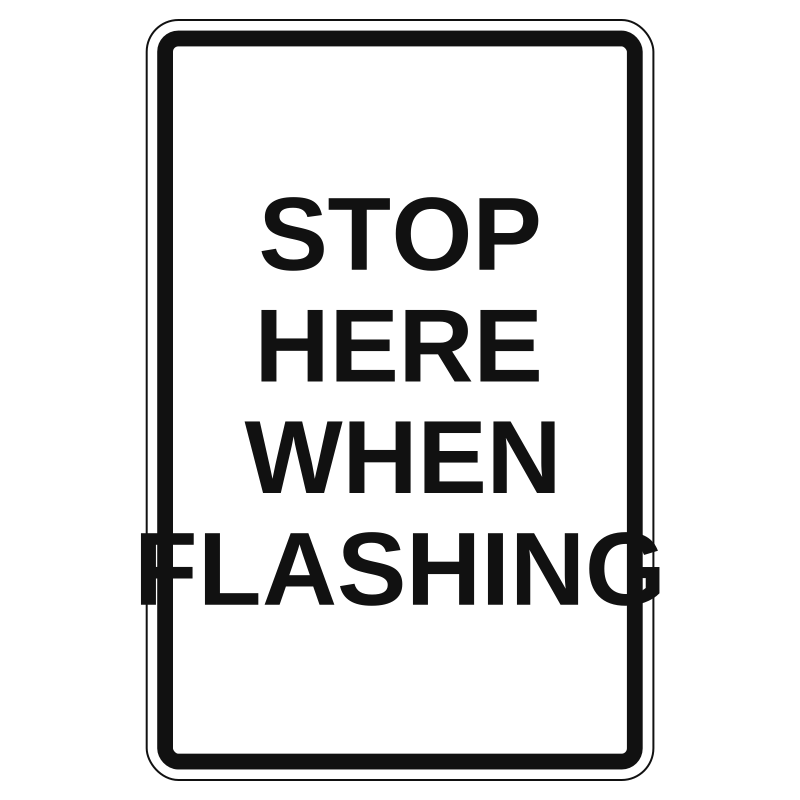
Stop here when flashing
What it means: At a railroad crossing with flashing lights: the place to stop when the lights flash.
What to do: When the red lights flash, stop at this sign or its stop line and wait until they stop flashing.
Warnings
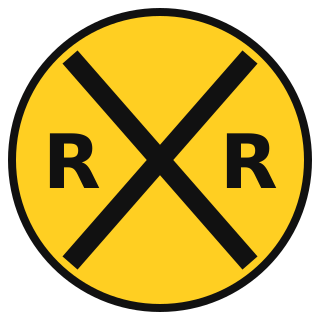
Railroad crossing ahead
What it means: A railroad crossing is ahead.
What to do: Slow down, look and listen, and be ready to stop.
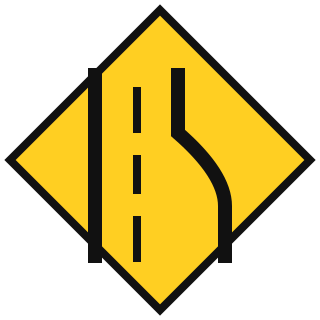
Lane ends
What it means: A lane ends ahead and traffic must merge.
What to do: Merge smoothly into the lane that continues; take turns with other drivers.
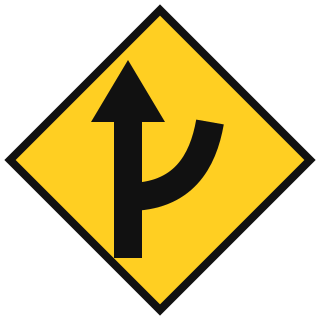
Merging traffic
What it means: Traffic from another road joins yours ahead.
What to do: Watch for merging vehicles and adjust your speed or lane to let them in.
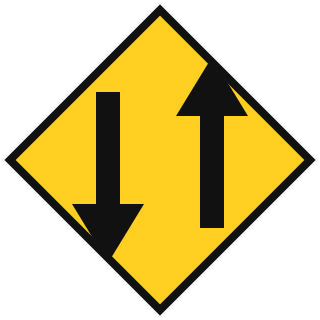
Two-way traffic
What it means: The road ahead carries traffic in both directions.
What to do: Keep right and watch for oncoming traffic.
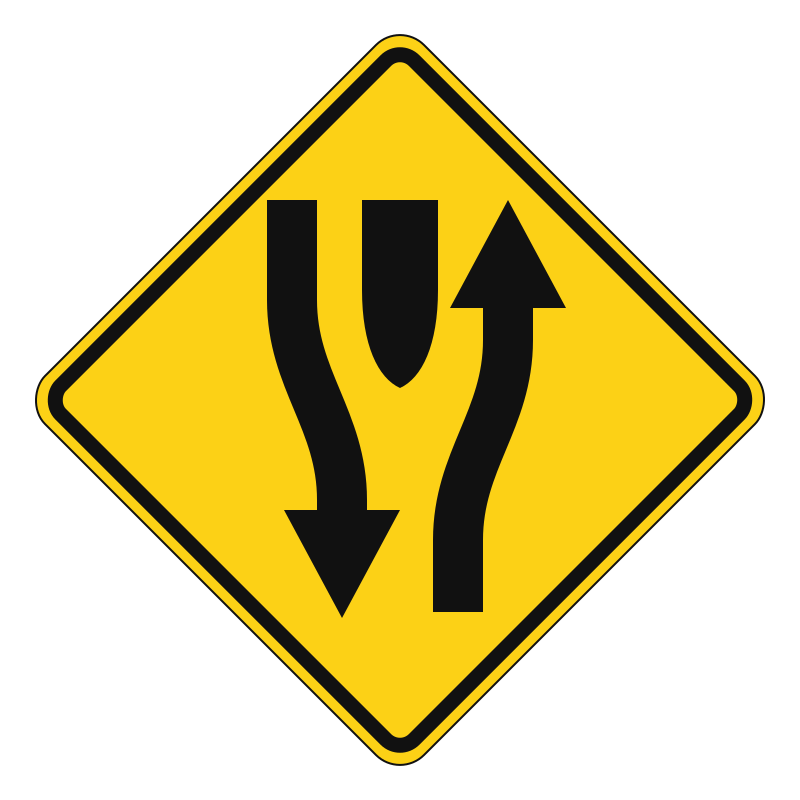
Divided highway begins
What it means: The road splits into two roadways with a divider.
What to do: Keep to the right side of the divider.
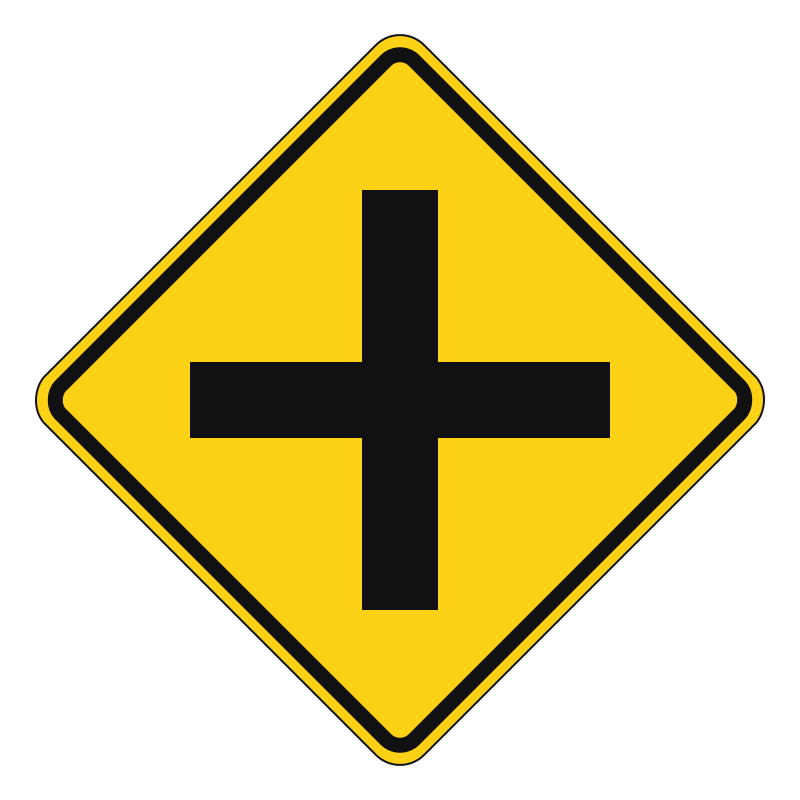
Crossroad ahead
What it means: Another road crosses yours ahead.
What to do: Slow down and watch for traffic entering from the side.
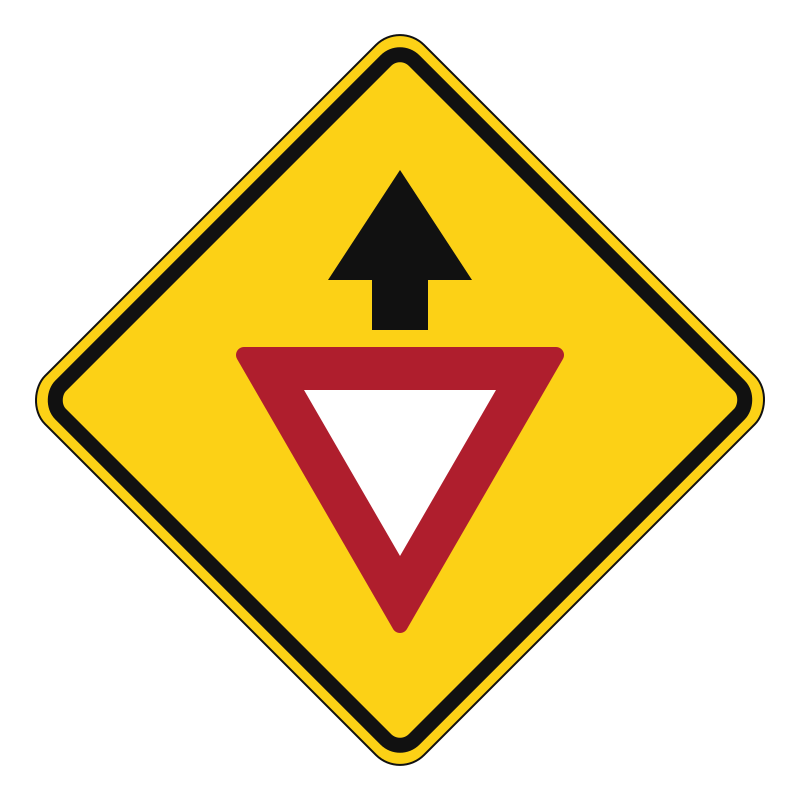
Yield ahead
What it means: A yield sign is ahead.
What to do: Slow down and be ready to yield.
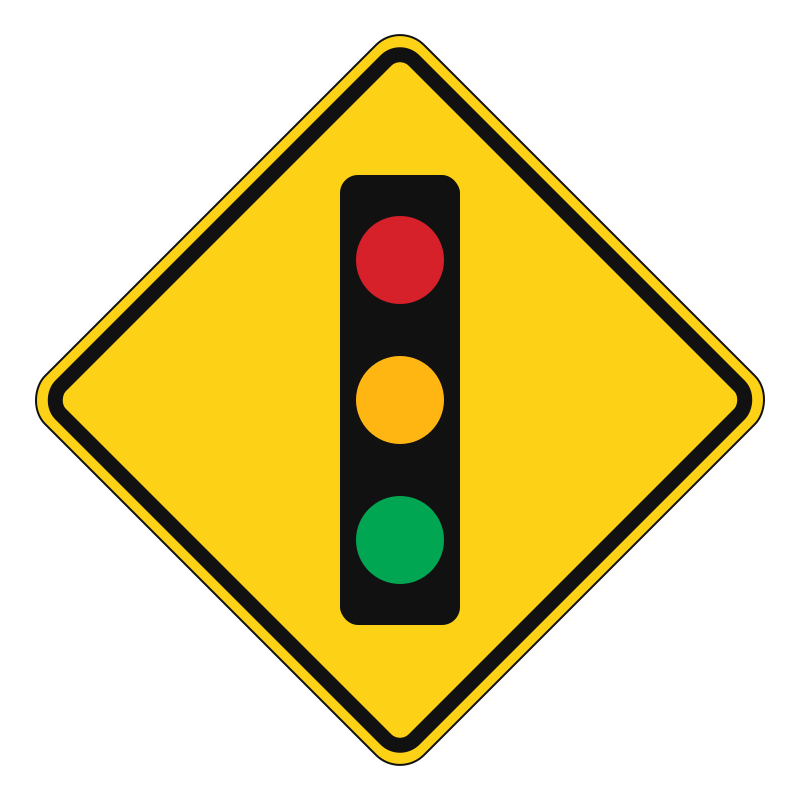
Signal ahead
What it means: A traffic signal is ahead.
What to do: Slow down and be ready to stop.
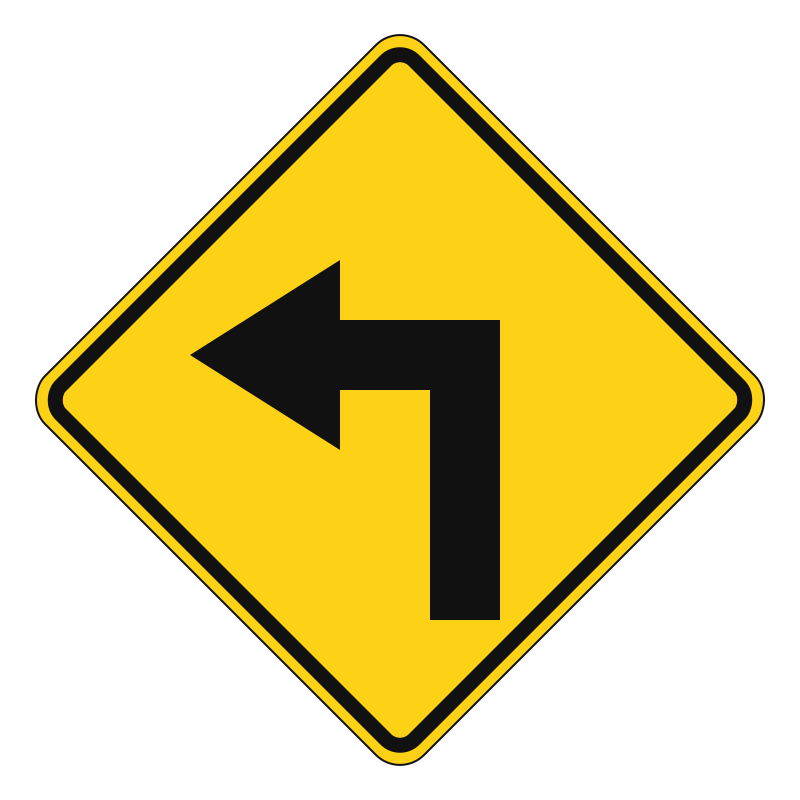
Sharp turn
What it means: The road turns sharply ahead.
What to do: Slow down before the turn.
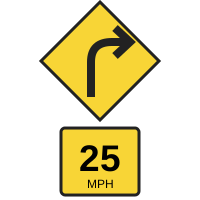
Curve with advisory speed
What it means: A curve ahead; the plaque shows a safe speed for it.
What to do: Slow to the advised speed before the curve.
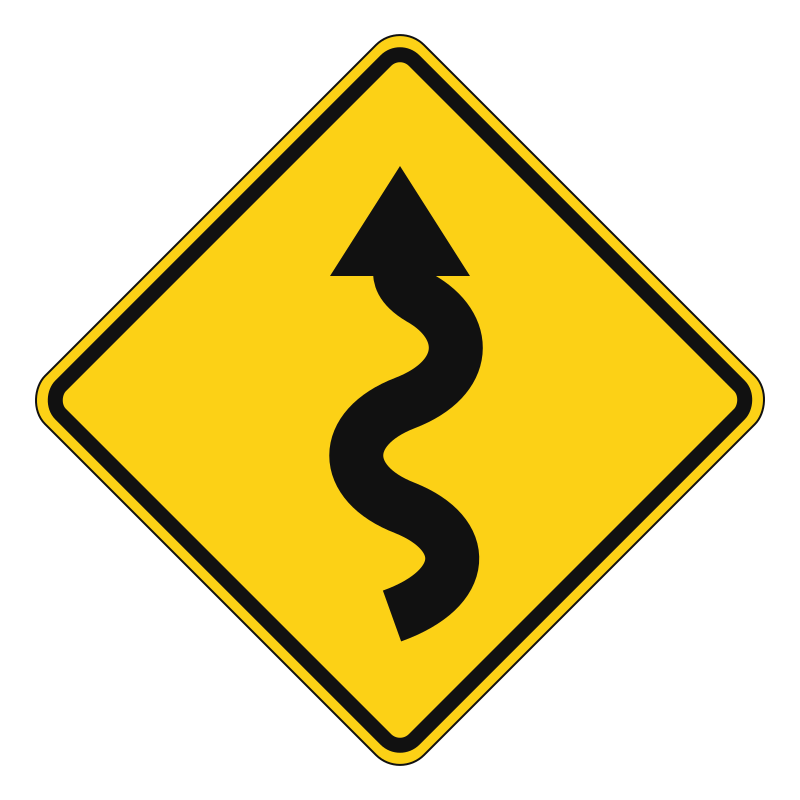
Winding road
What it means: A series of curves ahead.
What to do: Slow down and stay in your lane.
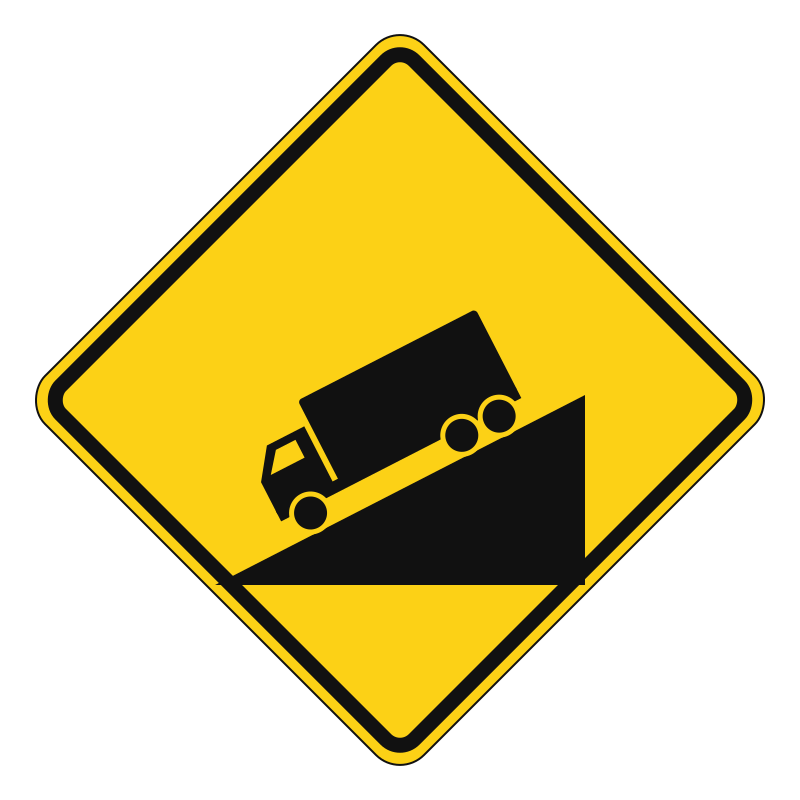
Steep hill
What it means: A steep downgrade ahead.
What to do: Slow down and use a lower gear; check your brakes.
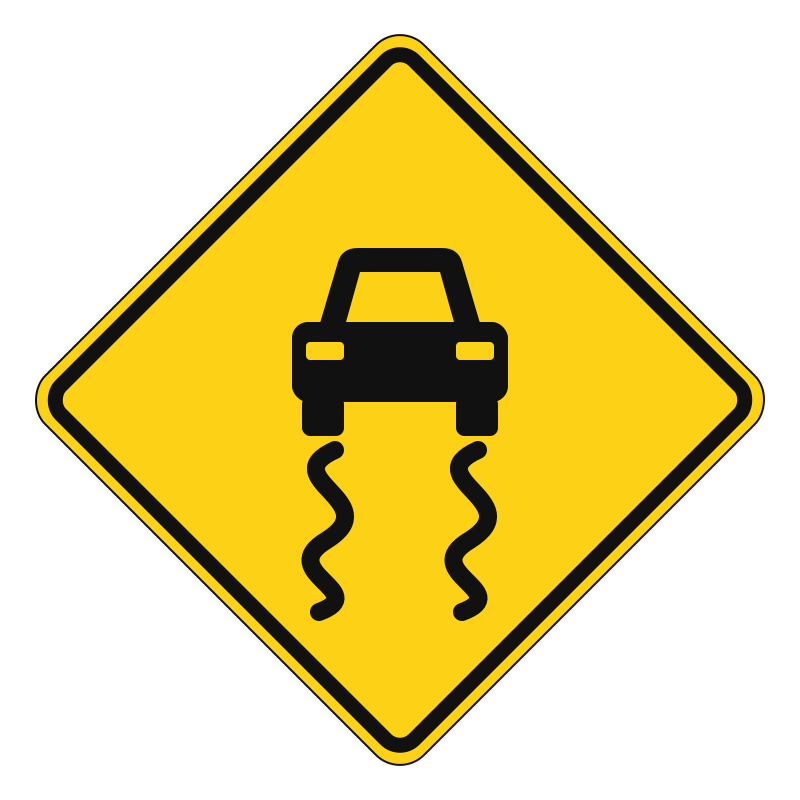
Slippery when wet
What it means: The road is slippery when wet.
What to do: Slow down in rain, avoid sudden braking or steering.
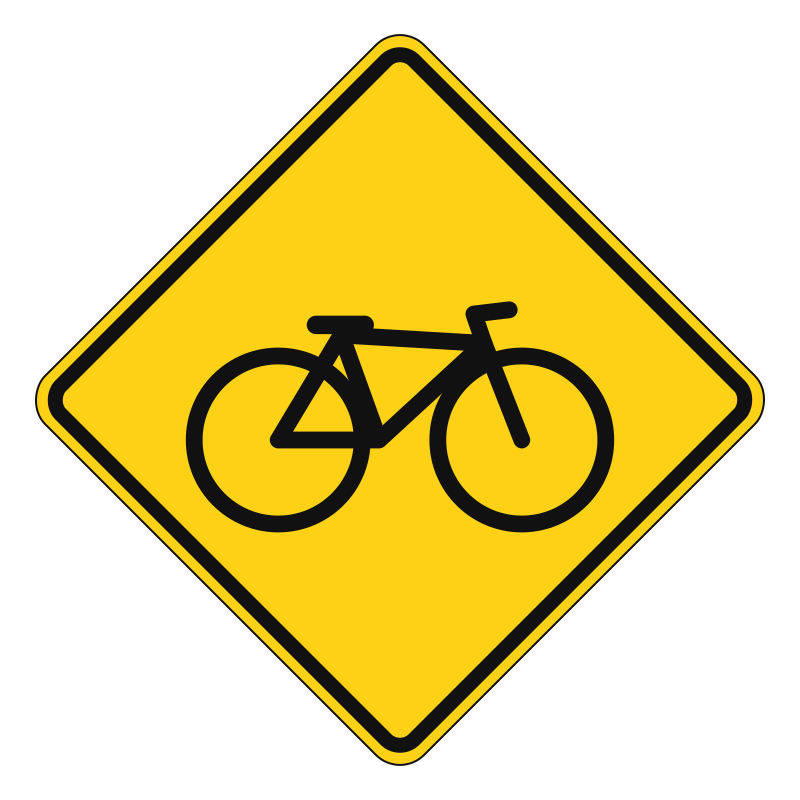
Bicycles
What it means: Bicycles may be on or crossing the road.
What to do: Watch for cyclists and give them room when passing.
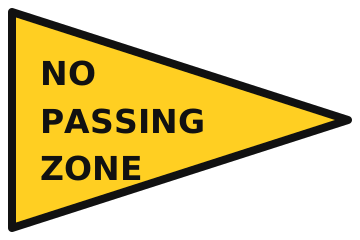
No passing zone
What it means: The start of a no-passing zone.
What to do: Do not pass until the zone ends.
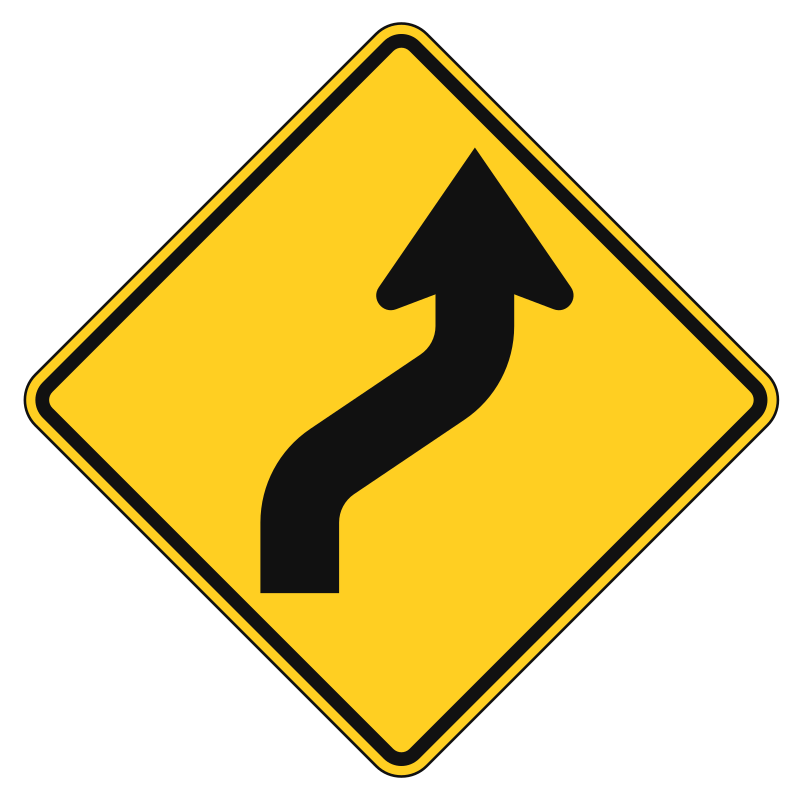
Reverse curve
What it means: The road curves one way and then the other.
What to do: Slow down before the first curve and keep in your lane through both.
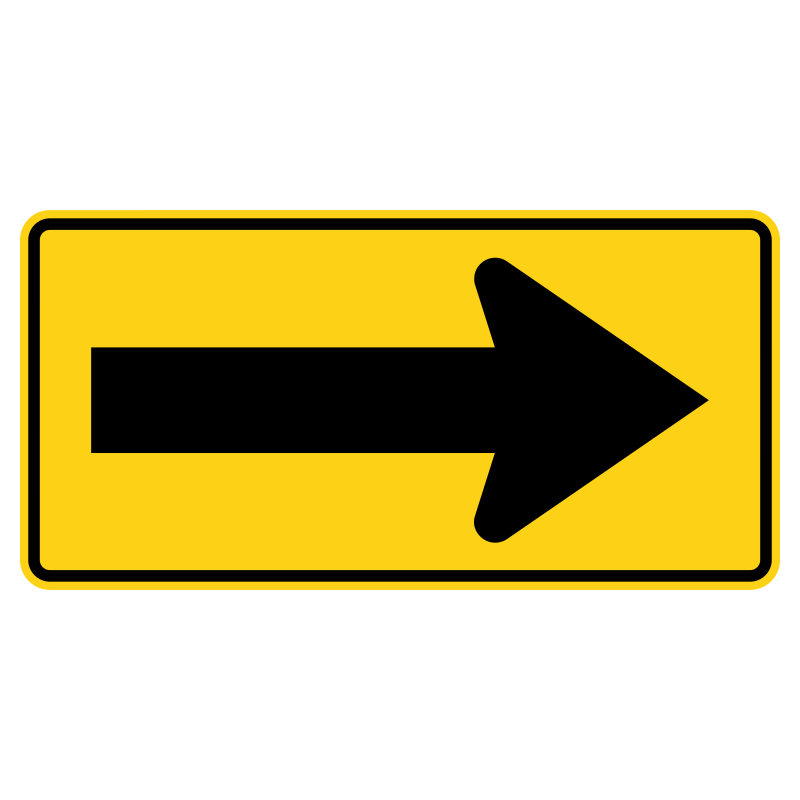
Large arrow
What it means: The road changes direction sharply in the direction of the arrow.
What to do: Slow down and turn with the road as the arrow shows.
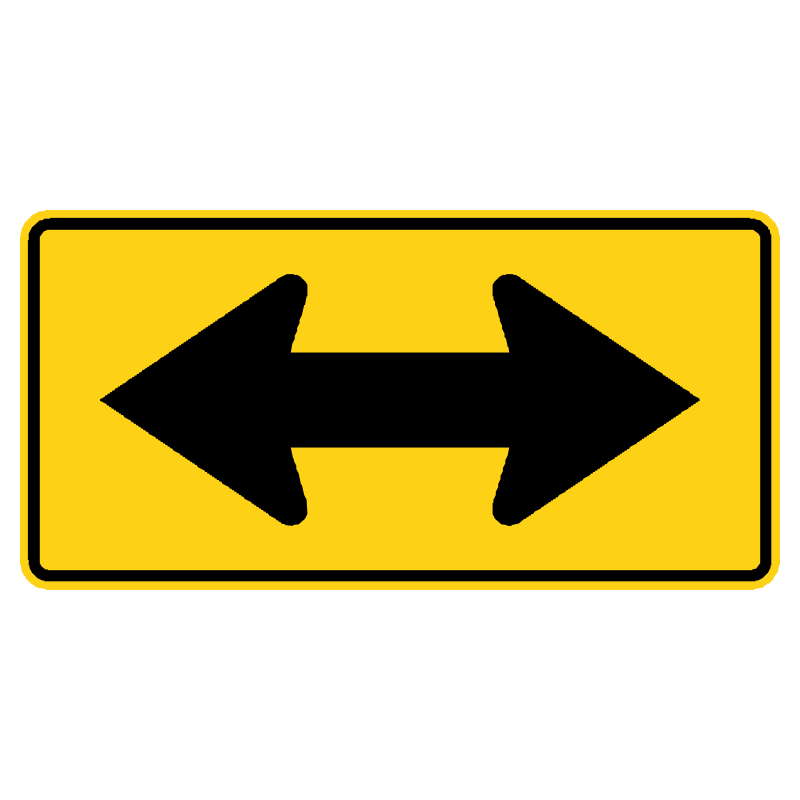
Two-direction large arrow
What it means: The road ends at a T; traffic must turn left or right.
What to do: Slow down, be ready to stop and turn left or right.
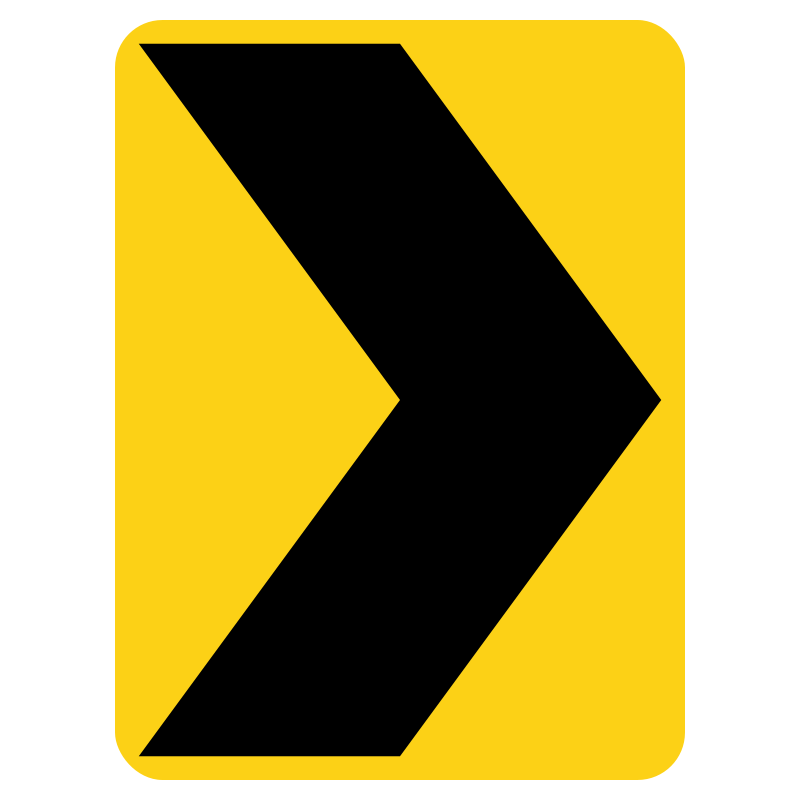
Chevron alignment
What it means: Chevrons line the outside of a sharp curve and point the way the road turns.
What to do: Slow down and steer in the direction the chevrons point.
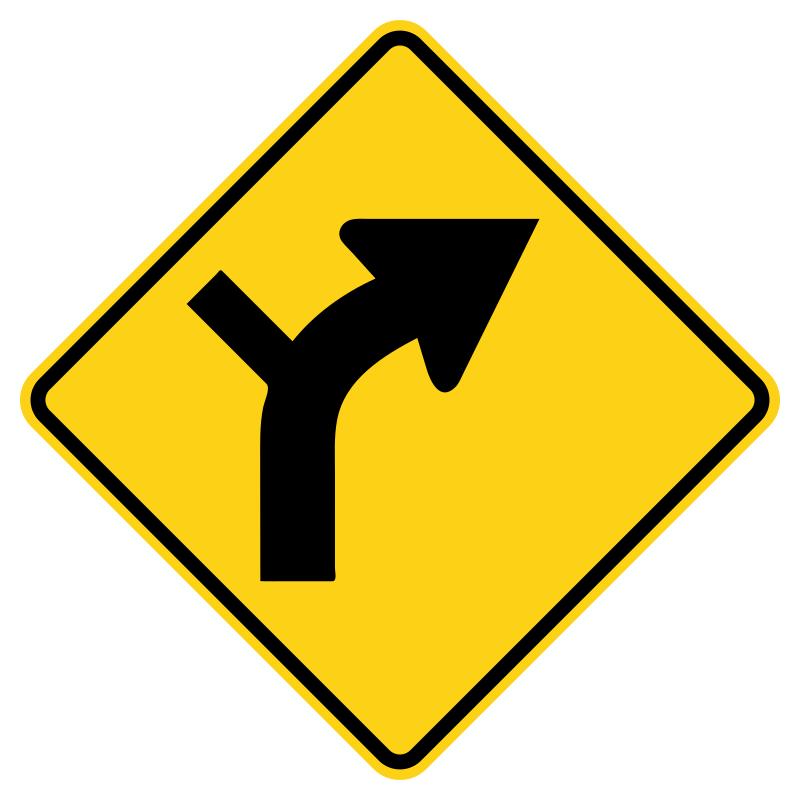
Curve with side road
What it means: The road curves ahead and a side road joins within the curve.
What to do: Slow down for the curve and watch for vehicles entering from the side road.
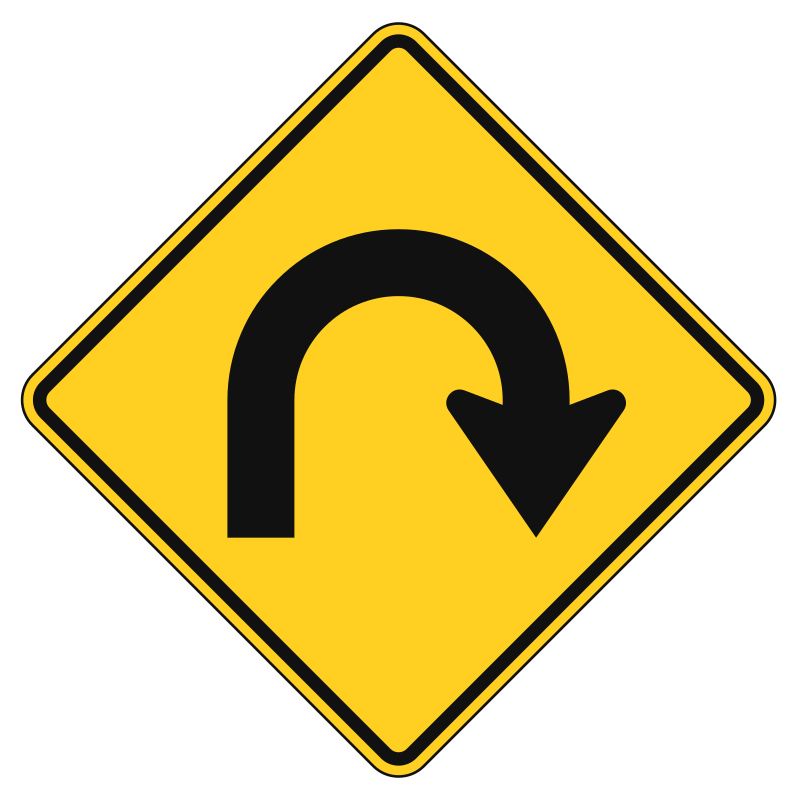
Hairpin curve
What it means: A curve that turns back on itself is ahead.
What to do: Slow down a lot before the curve and stay in your lane.
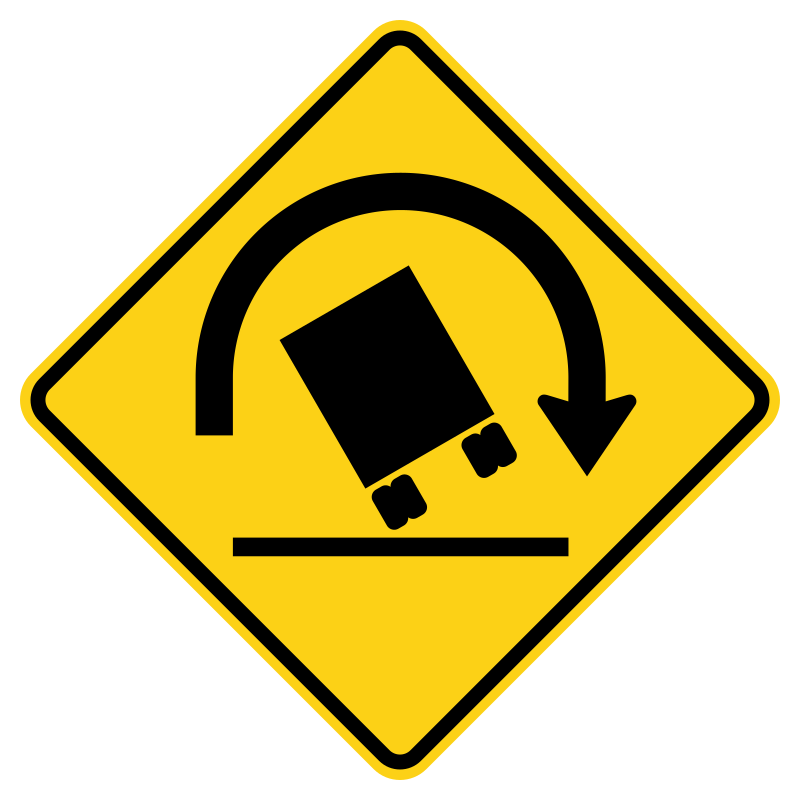
Truck rollover
What it means: The curve ahead is sharp enough for trucks to tip over.
What to do: Slow down before the curve, especially in a tall or heavy vehicle.
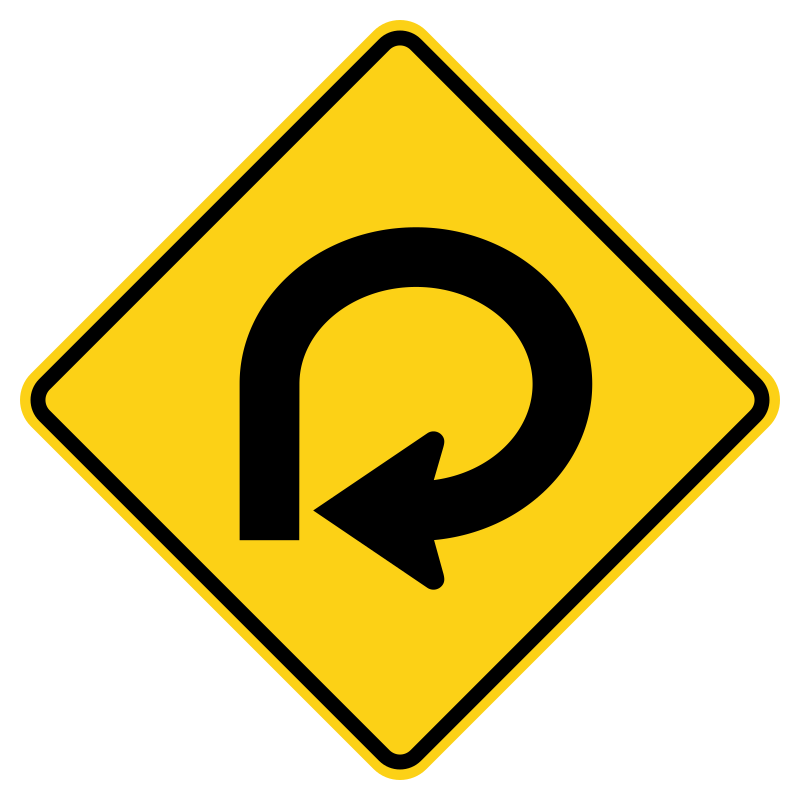
270-degree loop
What it means: The road loops around about three-quarters of a circle, as on some ramps.
What to do: Slow down before the loop and keep a steady speed through it.
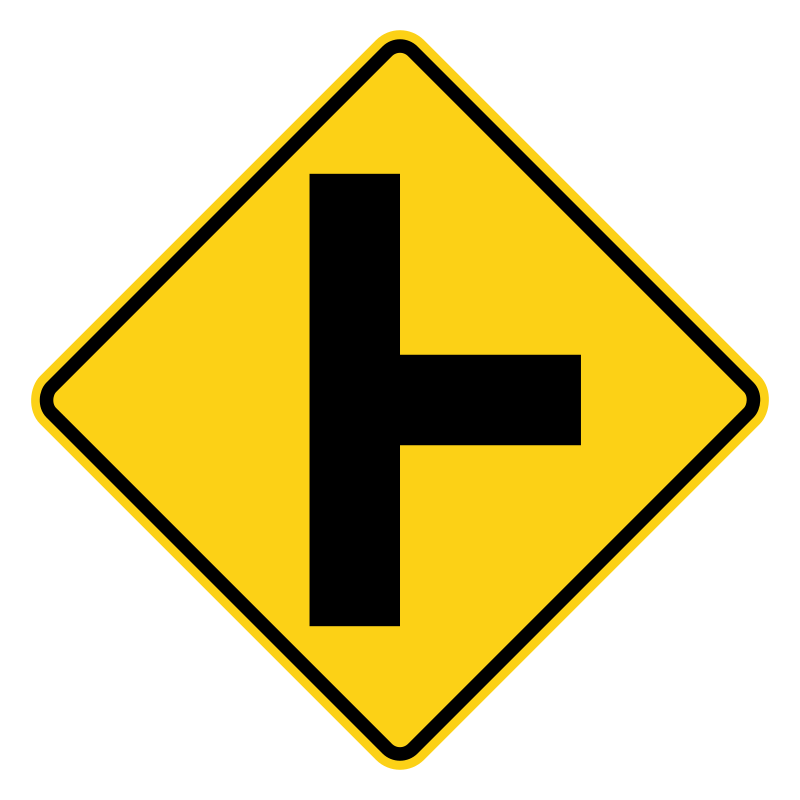
Side road
What it means: A side road joins from the side shown ahead.
What to do: Watch for vehicles entering or turning from the side road.
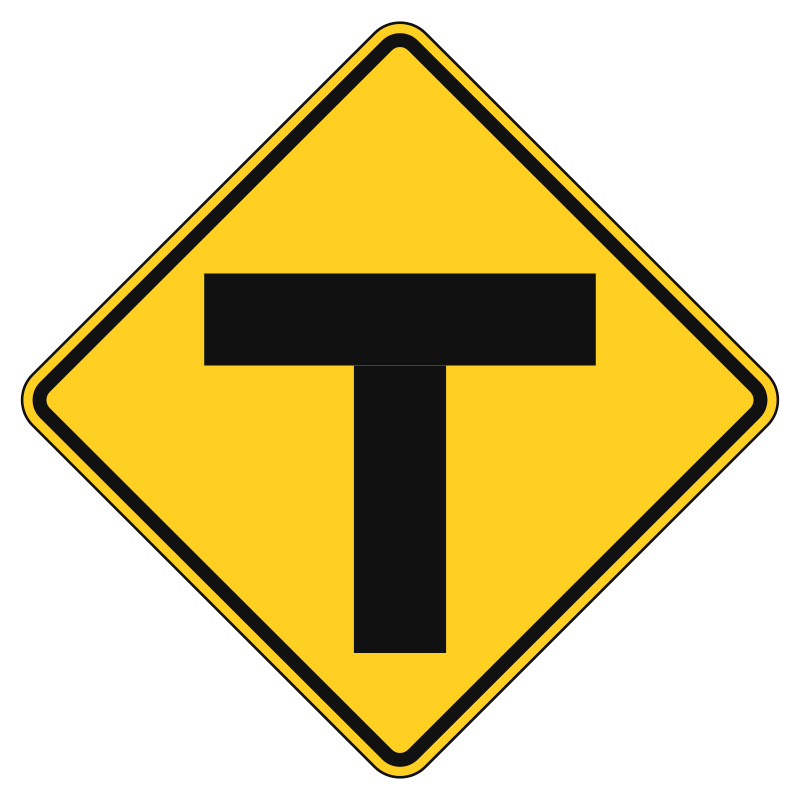
T-intersection
What it means: Your road ends ahead at a crossroad.
What to do: Slow down and be ready to stop, then turn left or right.
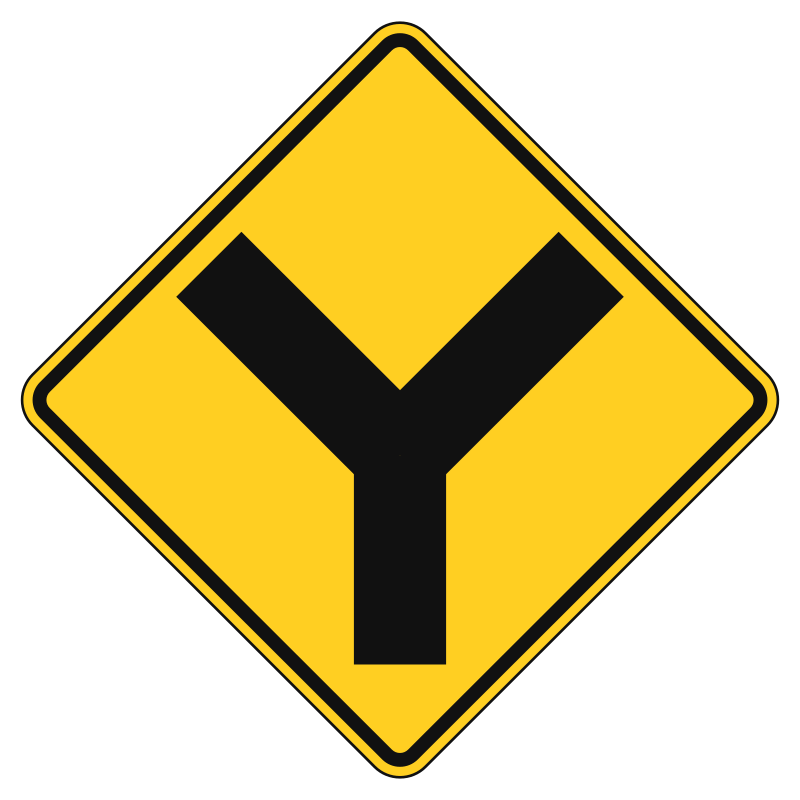
Y-intersection
What it means: The road splits into two directions ahead.
What to do: Slow down and choose the branch you need in time.
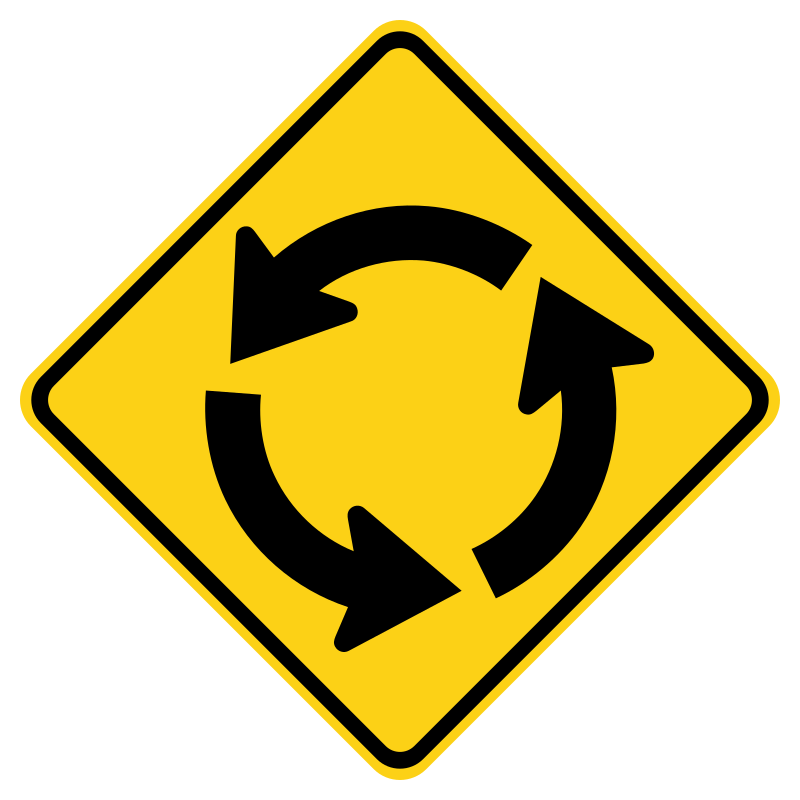
Circular intersection
What it means: A roundabout or other circular intersection is ahead.
What to do: Slow down and be ready to yield to traffic already in the circle.
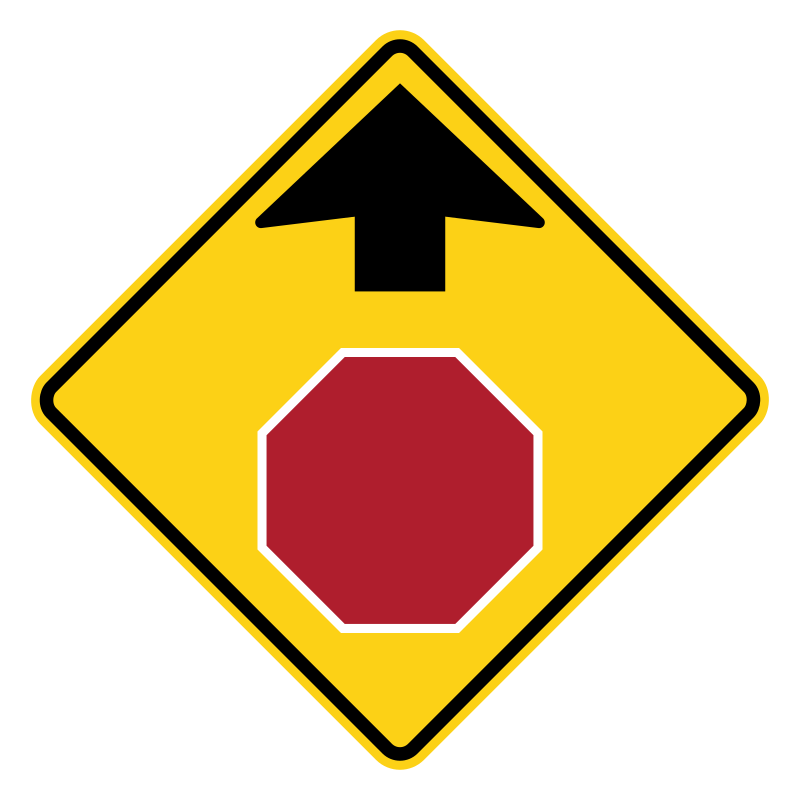
Stop ahead
What it means: A STOP sign is ahead.
What to do: Begin slowing down so you can stop at the STOP sign.
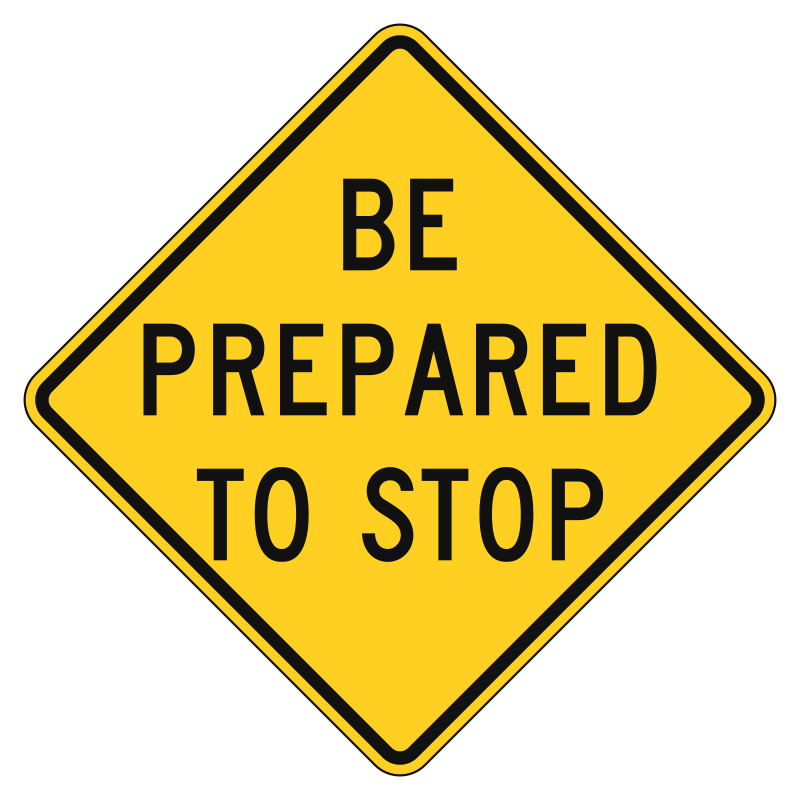
Be prepared to stop
What it means: Traffic ahead may be stopped.
What to do: Slow down and be ready to stop.
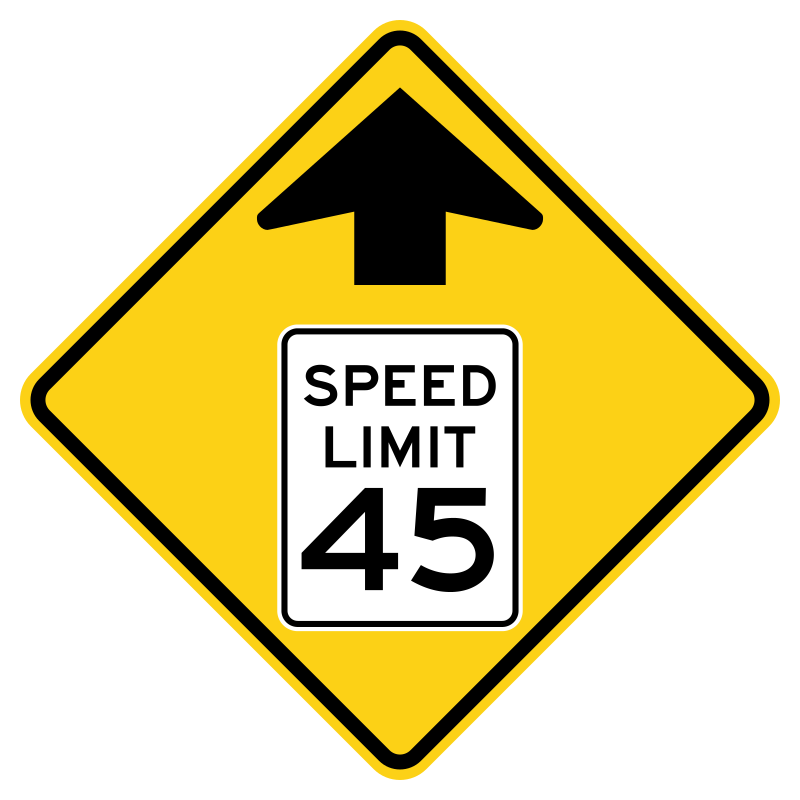
Reduced speed limit ahead
What it means: A lower speed limit begins ahead.
What to do: Start slowing so you are at or below the new limit when you reach it.
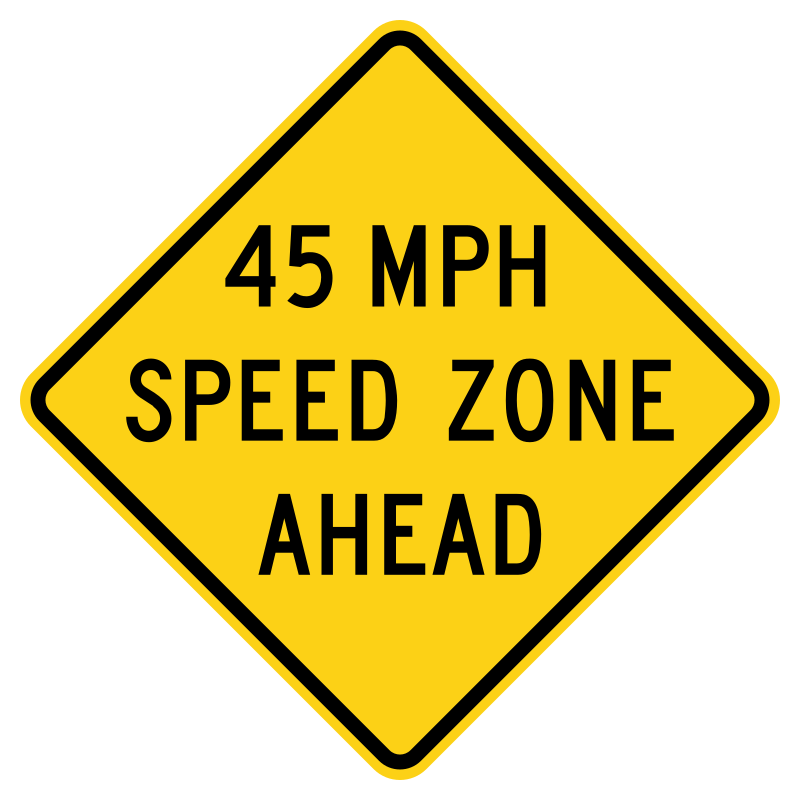
Speed zone ahead
What it means: A zone with a lower posted speed limit begins ahead.
What to do: Slow down to the posted limit before you enter the zone.
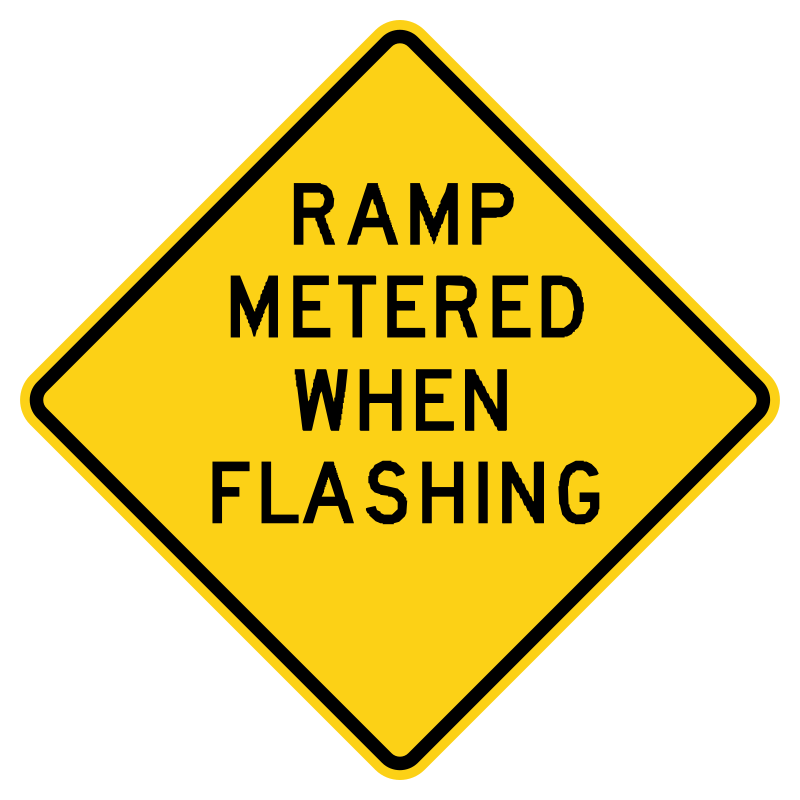
Ramp metered when flashing
What it means: When the beacons flash, the ramp meter signal ahead is operating.
What to do: Be ready to stop at the ramp signal and enter on green as it allows.
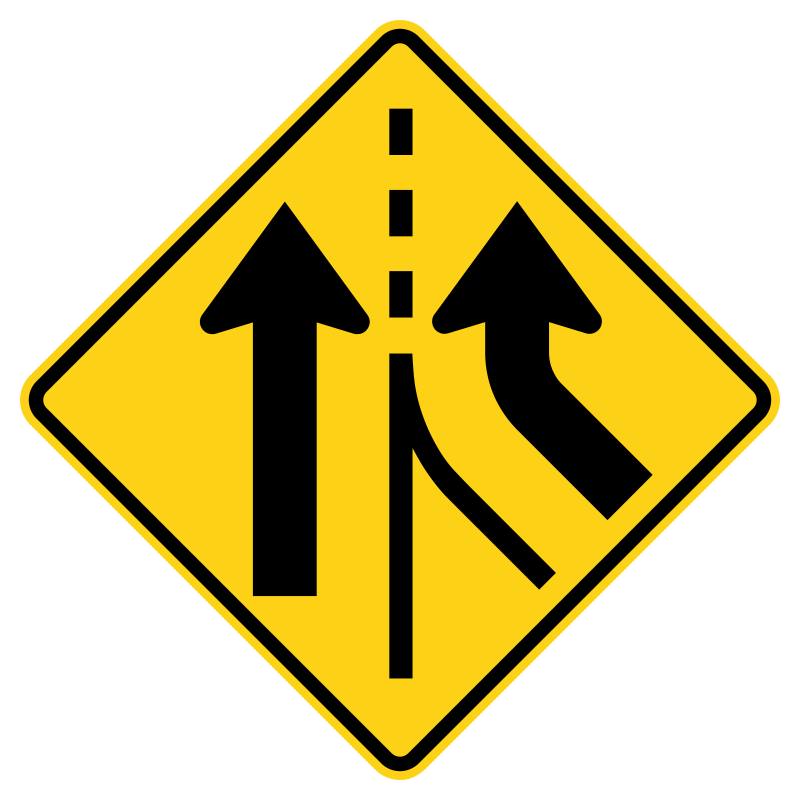
Added lane
What it means: Two roadways join and a lane is added, so the entering traffic does not have to merge.
What to do: Watch for vehicles entering alongside you in the new lane.
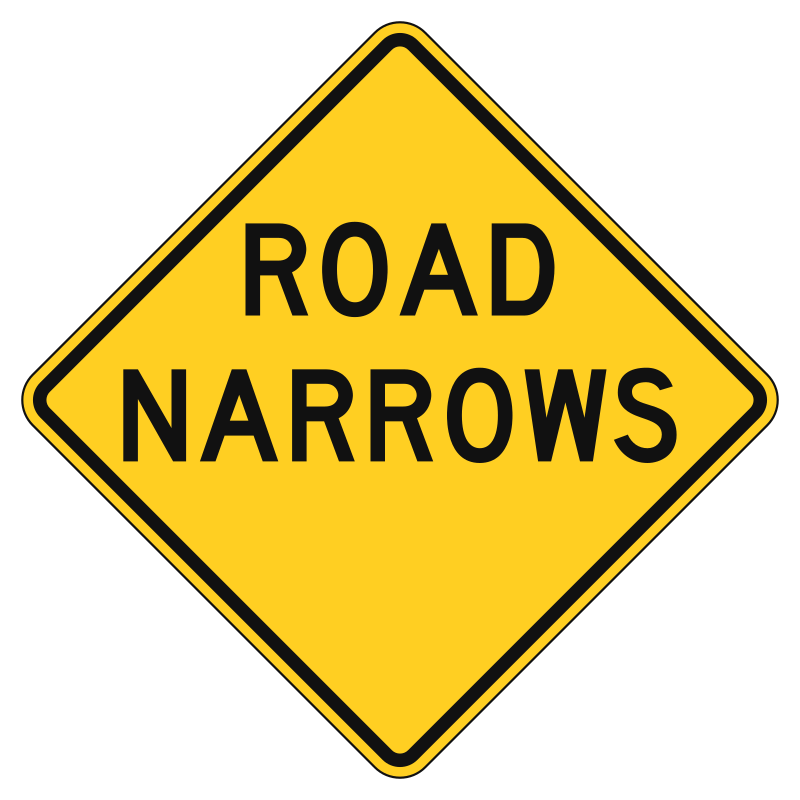
Road narrows
What it means: The roadway becomes narrower ahead.
What to do: Slow down, keep right and watch for oncoming or merging vehicles.
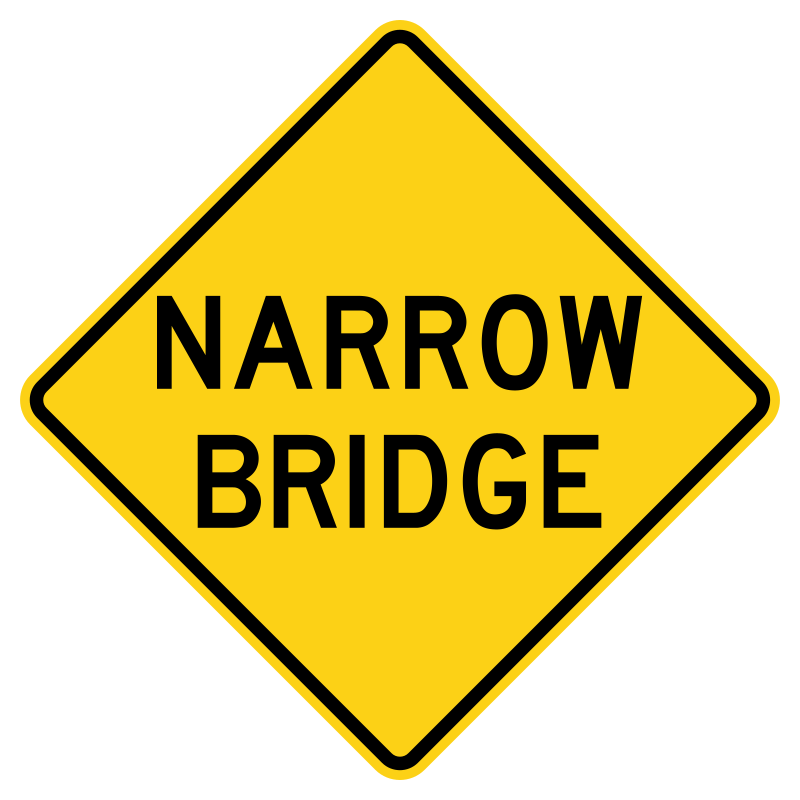
Narrow bridge
What it means: The bridge ahead is narrower than the road.
What to do: Slow down and watch for oncoming vehicles on the bridge.
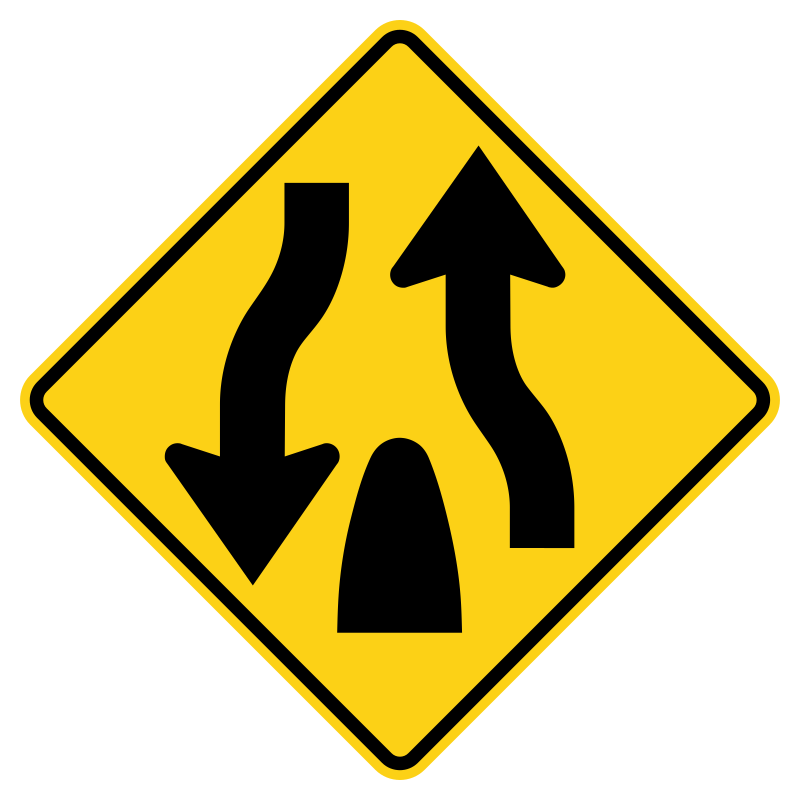
Divided highway ends
What it means: The median ends ahead and the road carries two-way traffic.
What to do: Keep right and expect oncoming traffic with no divider between you.
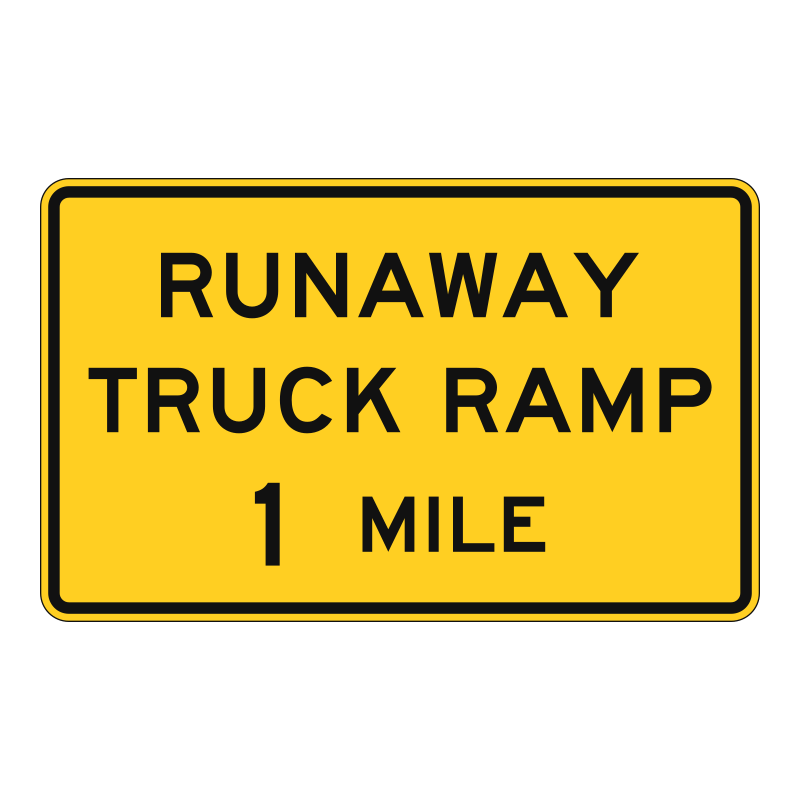
Runaway truck ramp
What it means: An escape ramp for vehicles whose brakes have failed is ahead.
What to do: Keep the ramp clear: never stop or park on it or block its entrance.
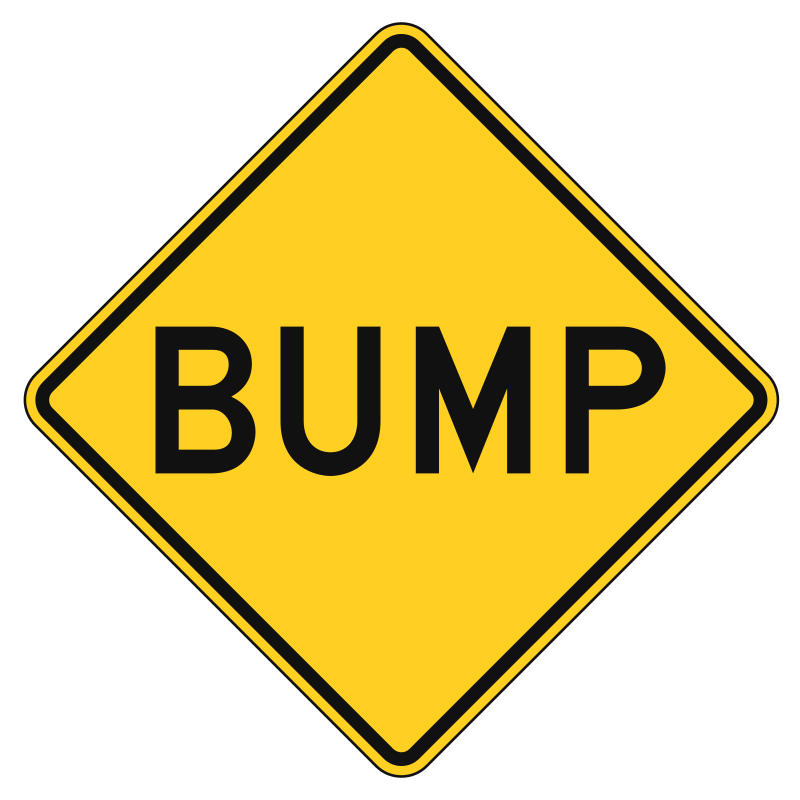
Bump
What it means: A sharp rise in the pavement is ahead.
What to do: Slow down before the bump to keep control.
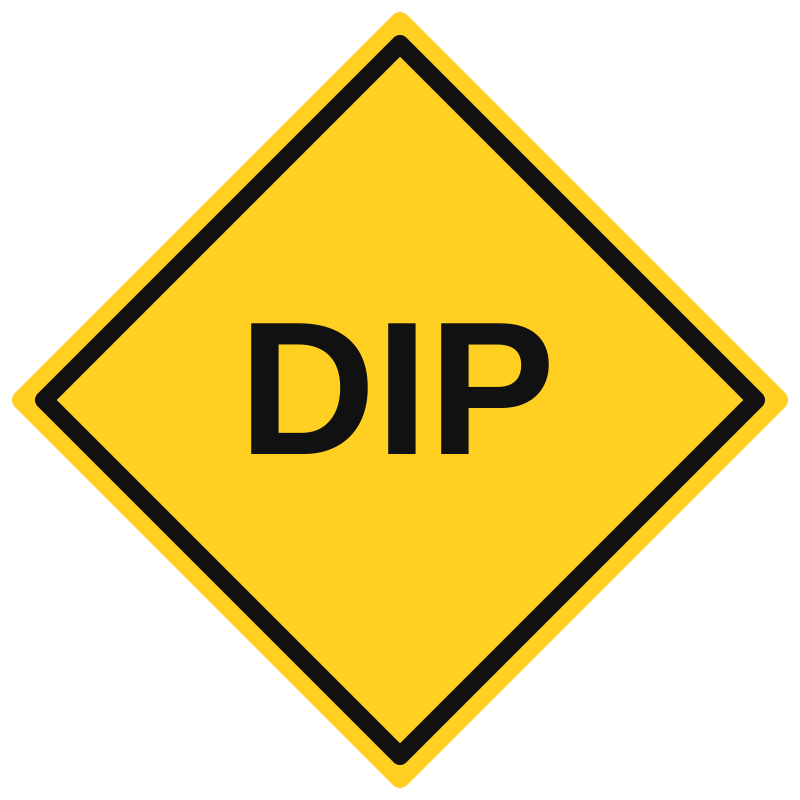
Dip
What it means: A sharp dip in the road is ahead.
What to do: Slow down; water or other vehicles may be hidden in the dip.
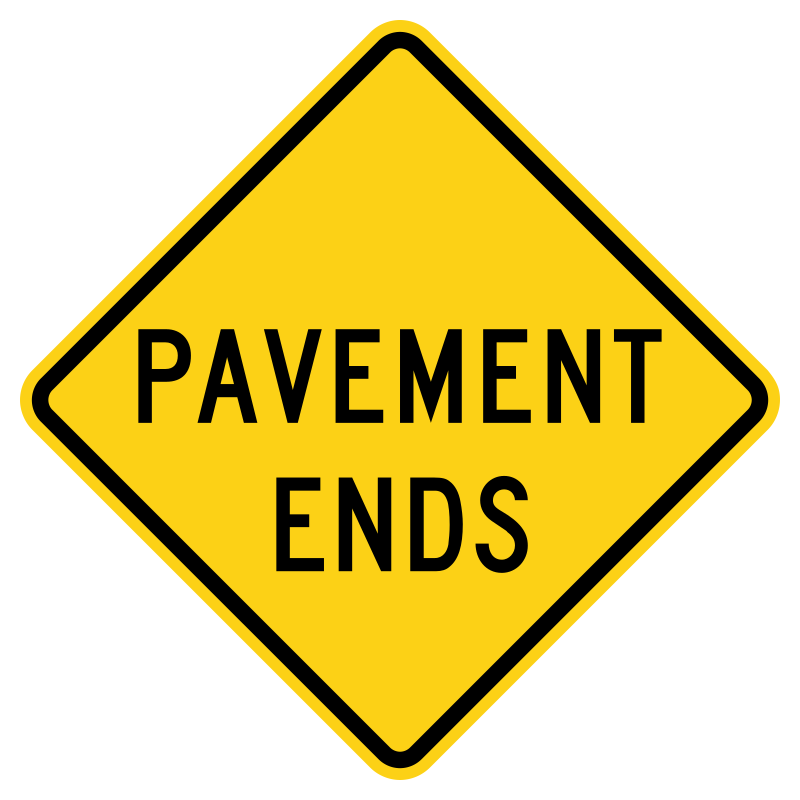
Pavement ends
What it means: The paved surface ends ahead.
What to do: Slow down before the change to gravel or dirt.
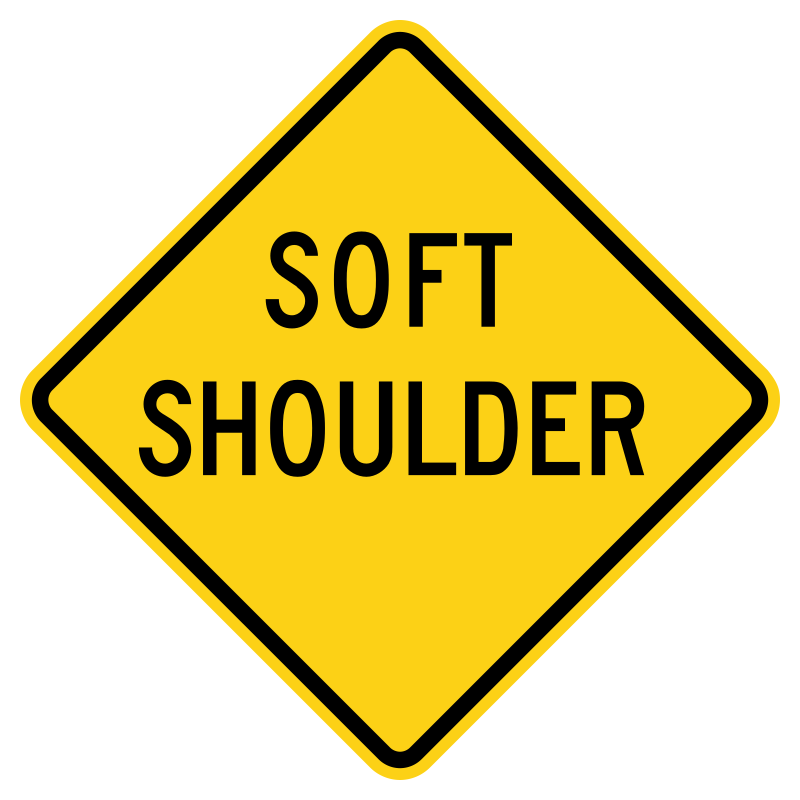
Soft shoulder
What it means: The shoulder is soft and may not support a vehicle.
What to do: Stay on the pavement; leave it only in an emergency.
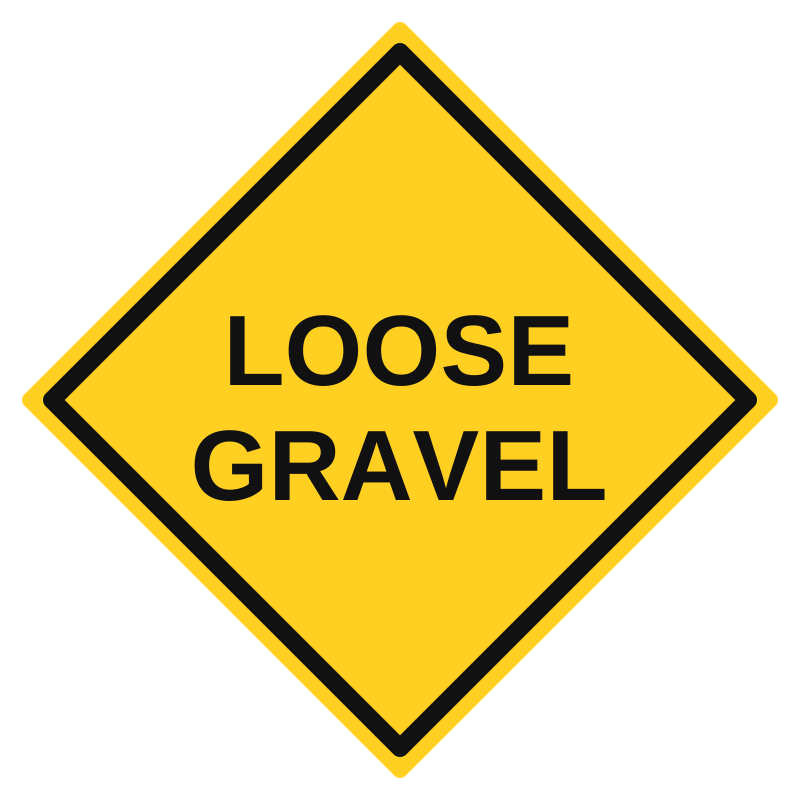
Loose gravel
What it means: Loose gravel on the road reduces traction.
What to do: Slow down and avoid sudden braking or steering.
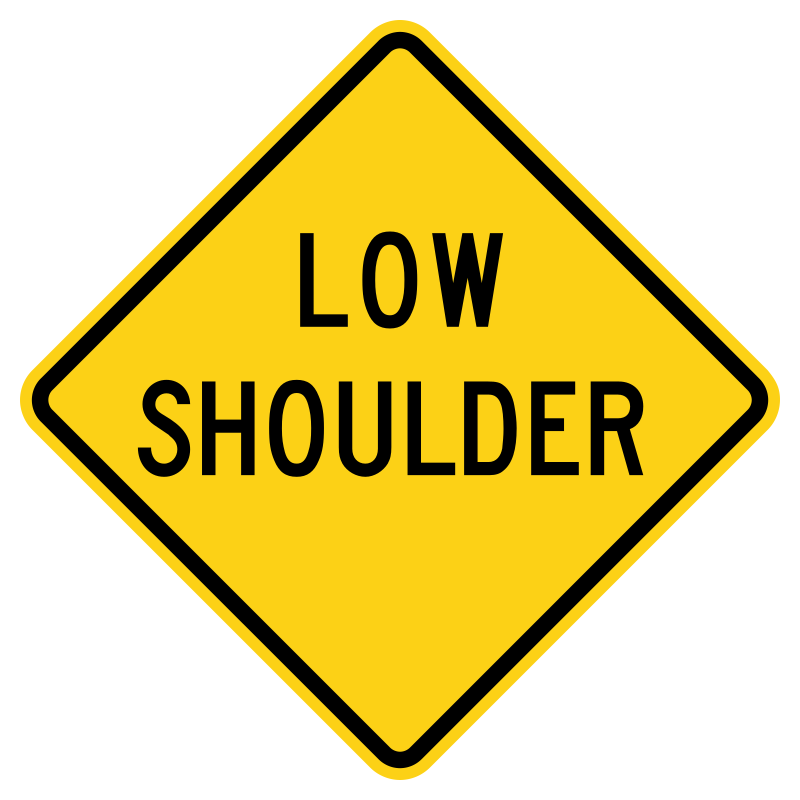
Low shoulder
What it means: The shoulder is lower than the edge of the pavement.
What to do: Stay on the pavement; if a wheel drops off, ease off the gas and steer back gently.
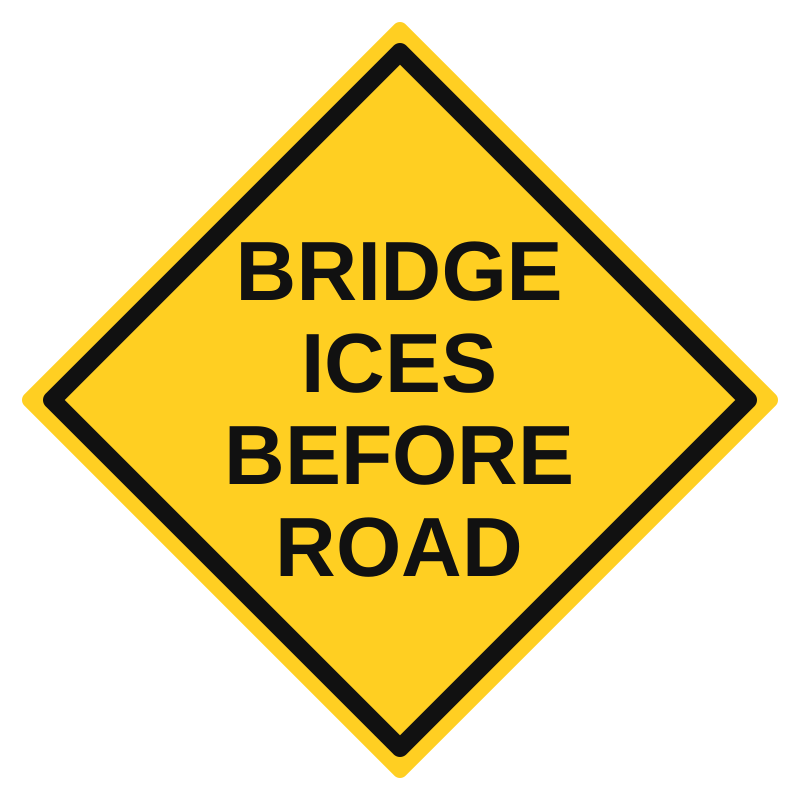
Bridge ices before road
What it means: In cold weather the bridge surface can freeze before the road does.
What to do: Slow down before the bridge and avoid sudden braking or steering on it.
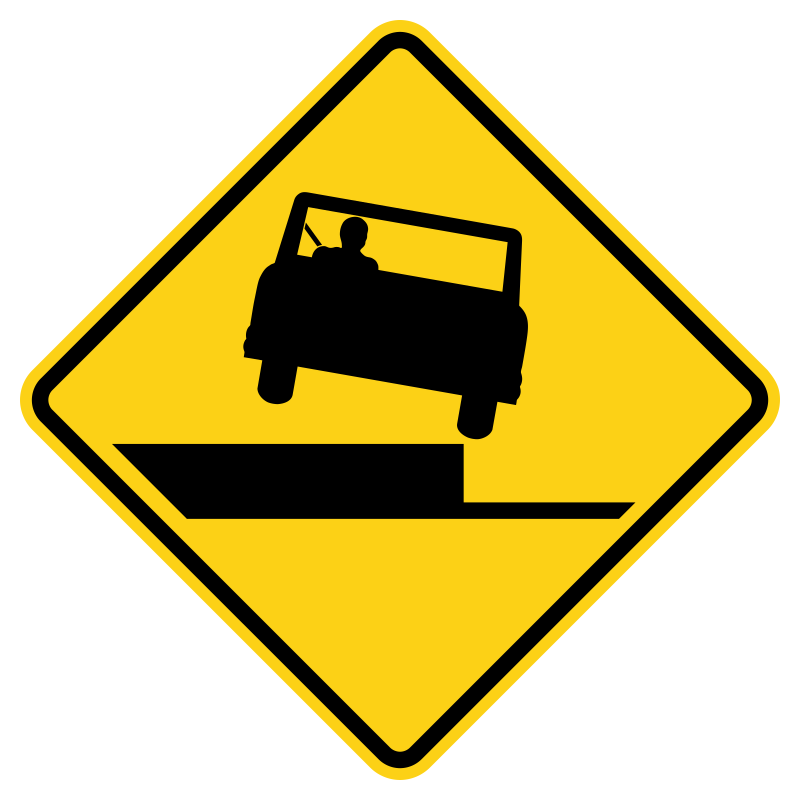
Shoulder drop off
What it means: There is a drop from the pavement edge to the shoulder.
What to do: Stay on the pavement; if you drift off, ease off the gas and steer back gently.
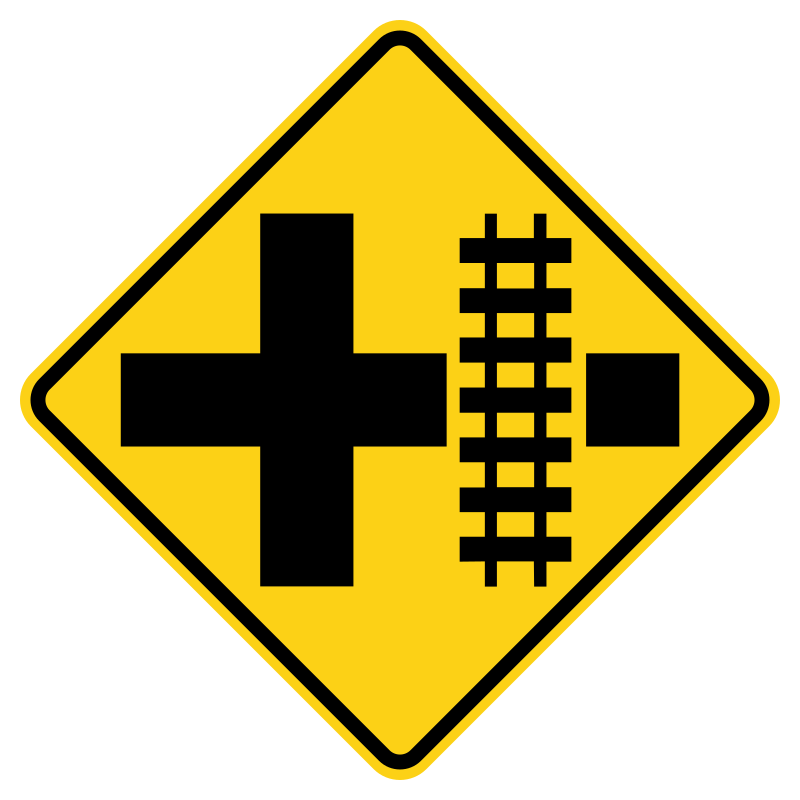
Parallel track, crossroad crossing
What it means: Railroad tracks run beside your road and cross the road you would turn onto, just past the intersection.
What to do: If you turn, be ready to stop for the tracks right after the turn.
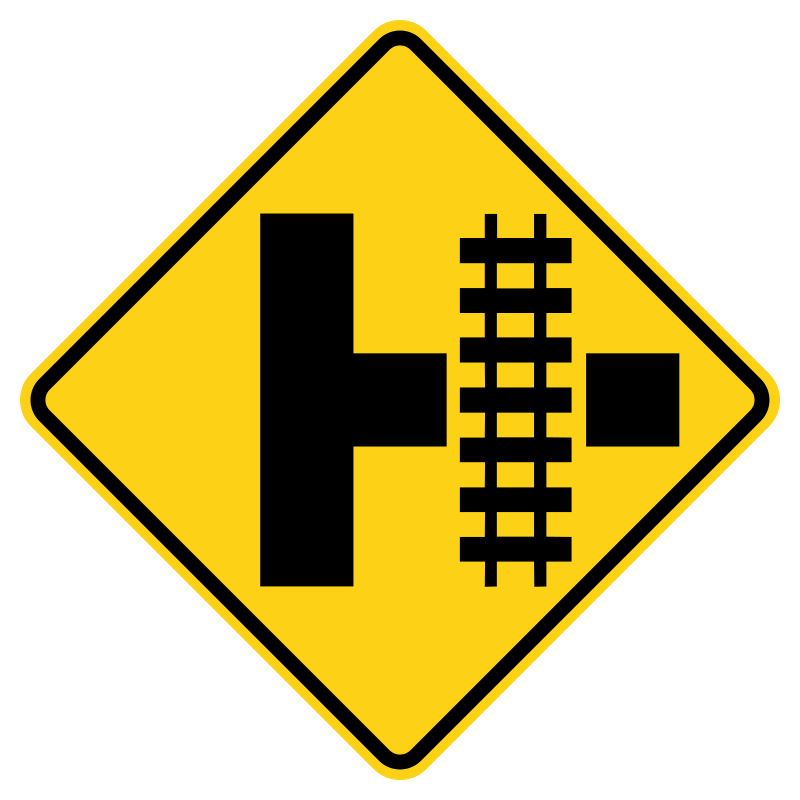
Parallel track, side road crossing
What it means: Railroad tracks run beside your road and cross the side road just past the intersection.
What to do: If you turn onto the side road, be ready to stop for the tracks right after the turn.
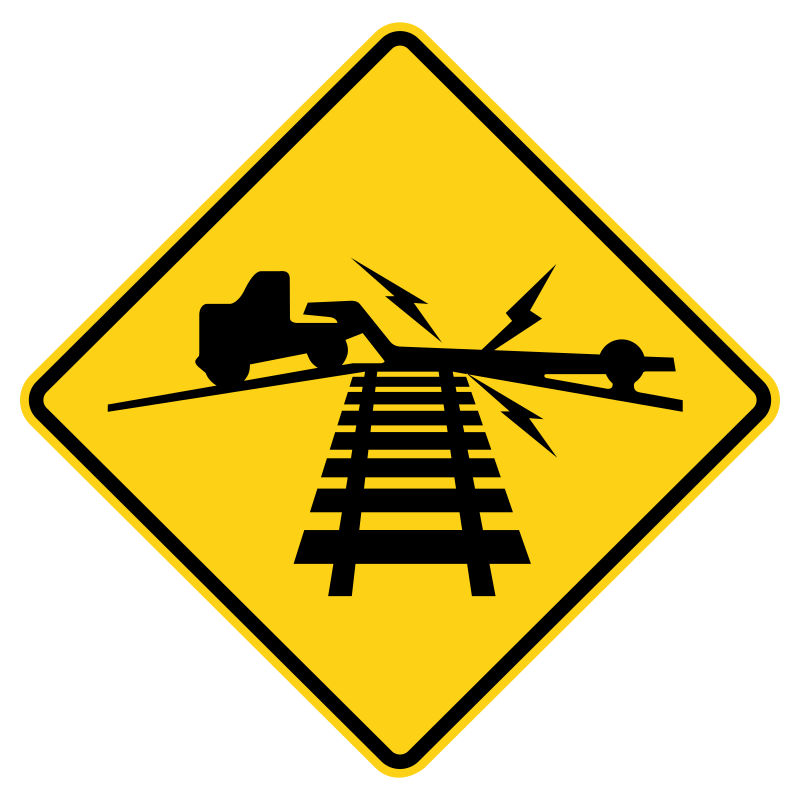
Low ground clearance railroad crossing
What it means: The crossing ahead is humped, and long or low vehicles can get stuck on the tracks.
What to do: If your vehicle or trailer rides low, use another route.
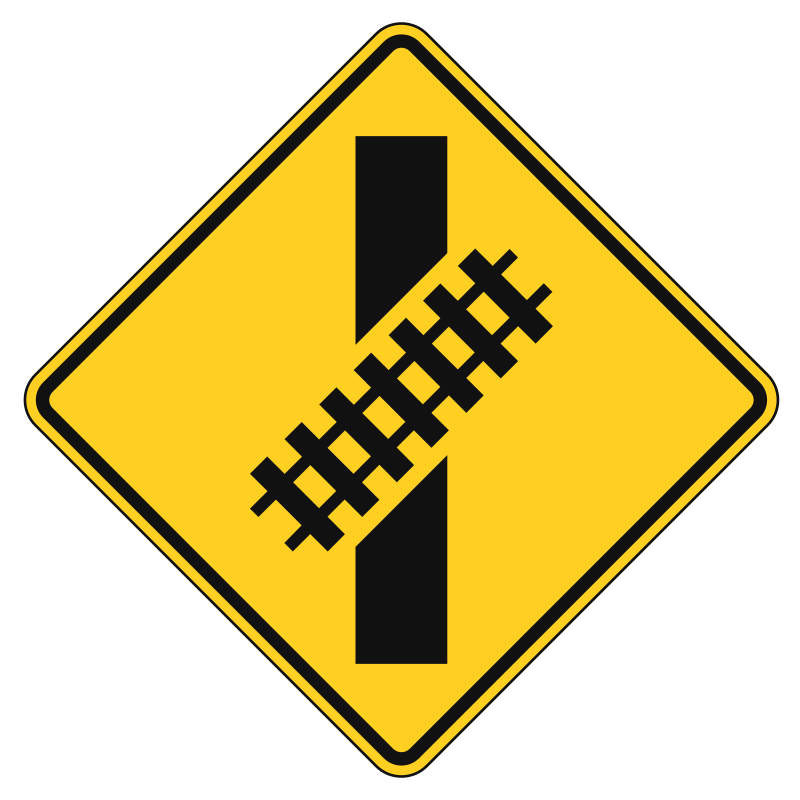
Skewed railroad crossing
What it means: Railroad tracks cross the road at a sharp angle ahead.
What to do: Slow down and look well to the side for trains, which may come from behind your shoulder.
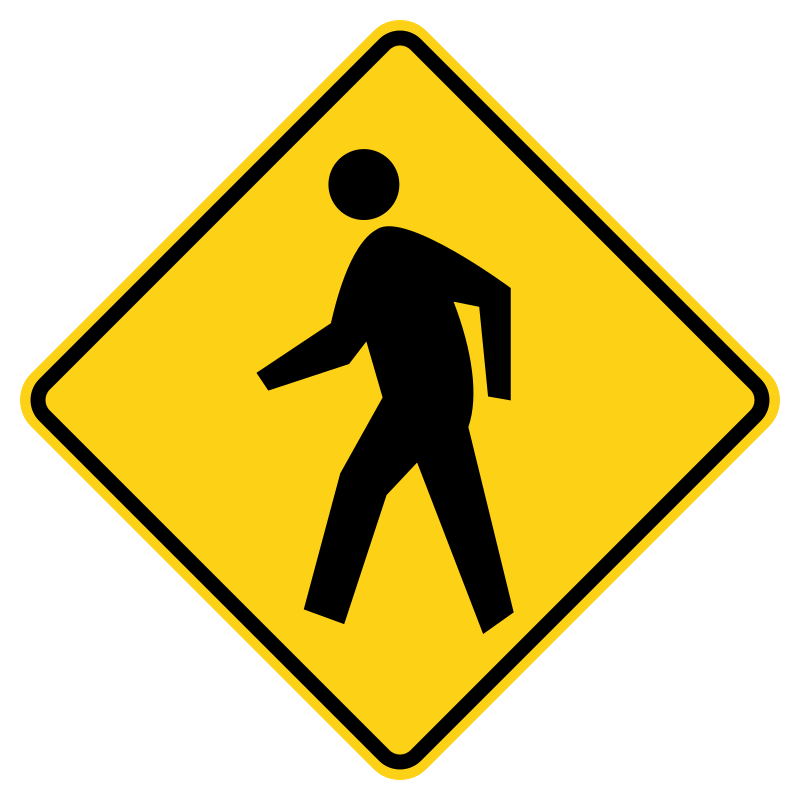
Pedestrian crossing
What it means: Pedestrians may be crossing ahead.
What to do: Slow down and be ready to yield to people crossing.
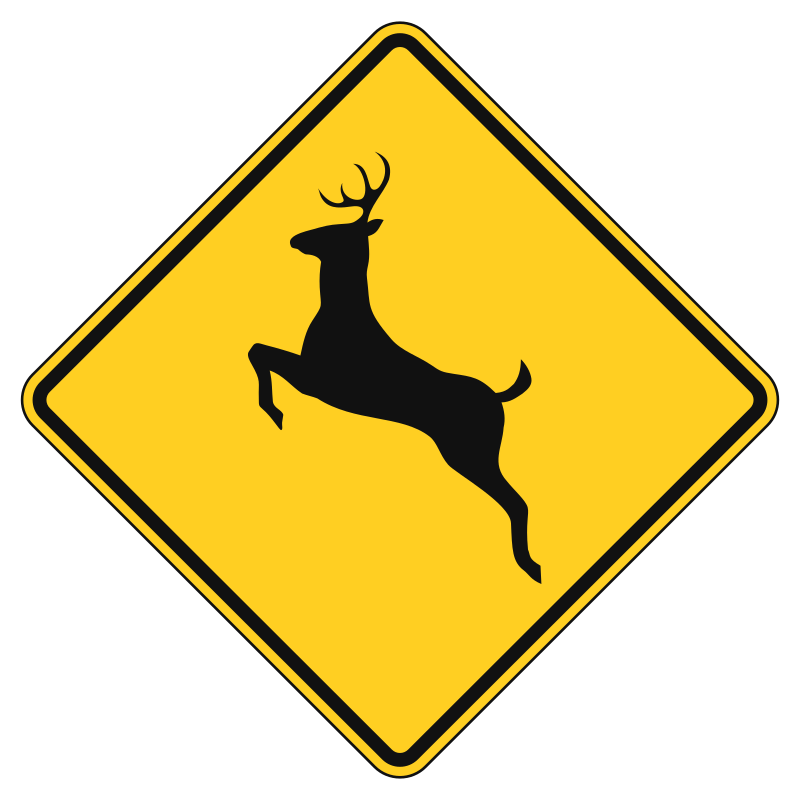
Deer crossing
What it means: Deer often cross the road in this area.
What to do: Slow down and scan the roadsides, especially at dawn and dusk.
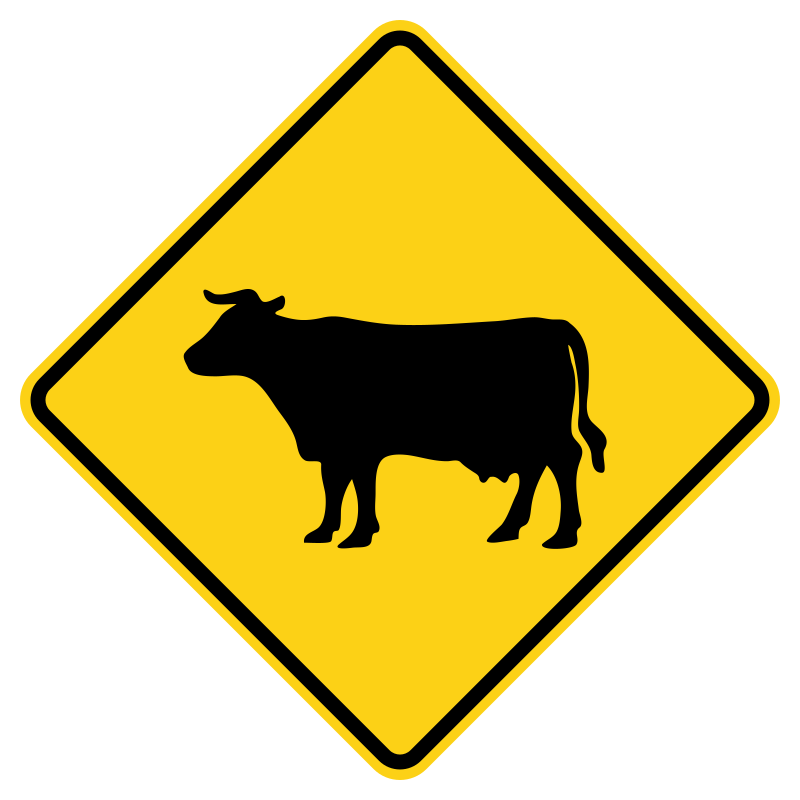
Cattle crossing
What it means: Cattle may be on or crossing the road ahead.
What to do: Slow down and be ready to stop for animals.
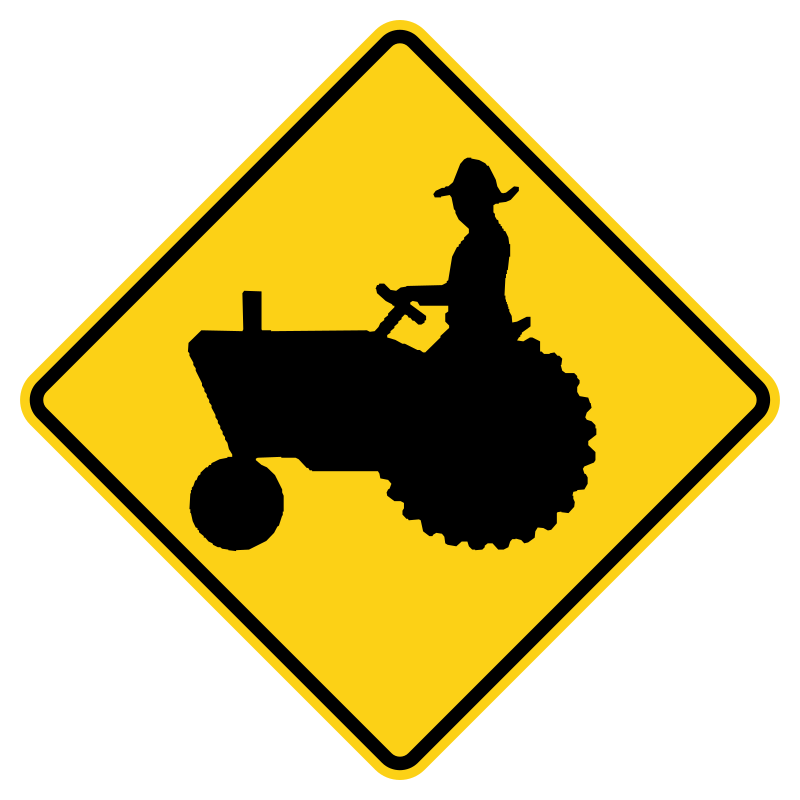
Farm equipment
What it means: Slow-moving farm vehicles may be on or entering the road.
What to do: Be ready to slow down behind farm vehicles and pass only when it is safe and legal.
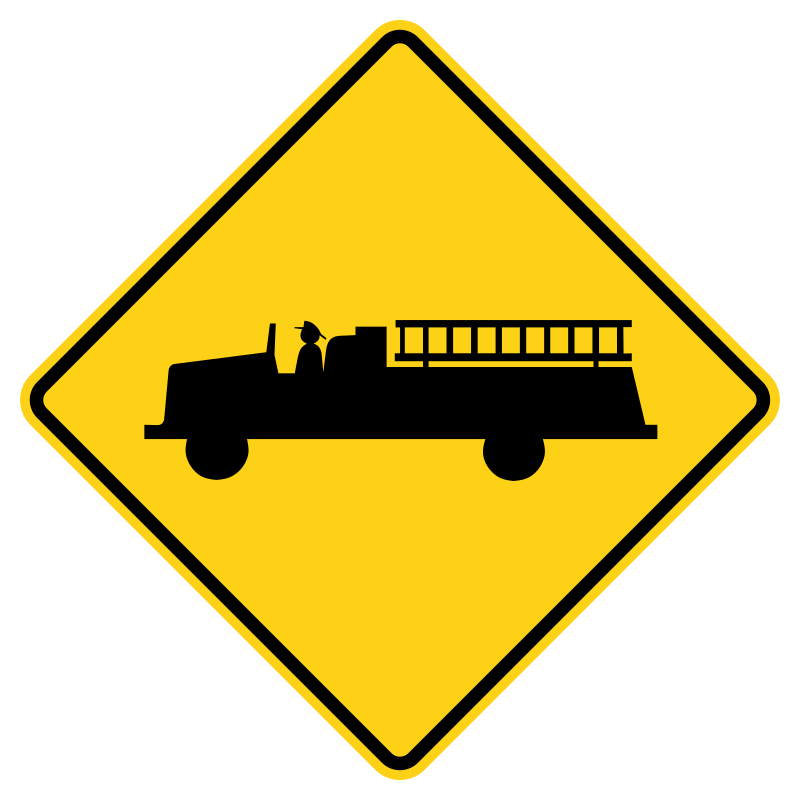
Emergency vehicle
What it means: Emergency vehicles, such as fire trucks, may enter the road ahead.
What to do: Watch for emergency vehicles and be ready to yield to them.
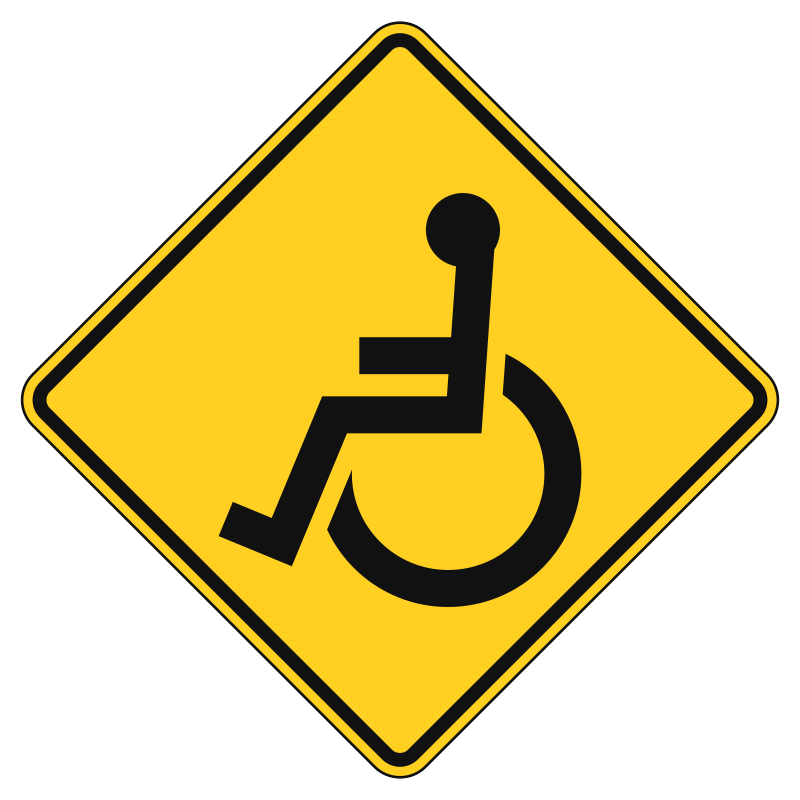
Handicapped crossing
What it means: People using wheelchairs may be crossing ahead.
What to do: Slow down and be ready to yield; they may need more time to cross.
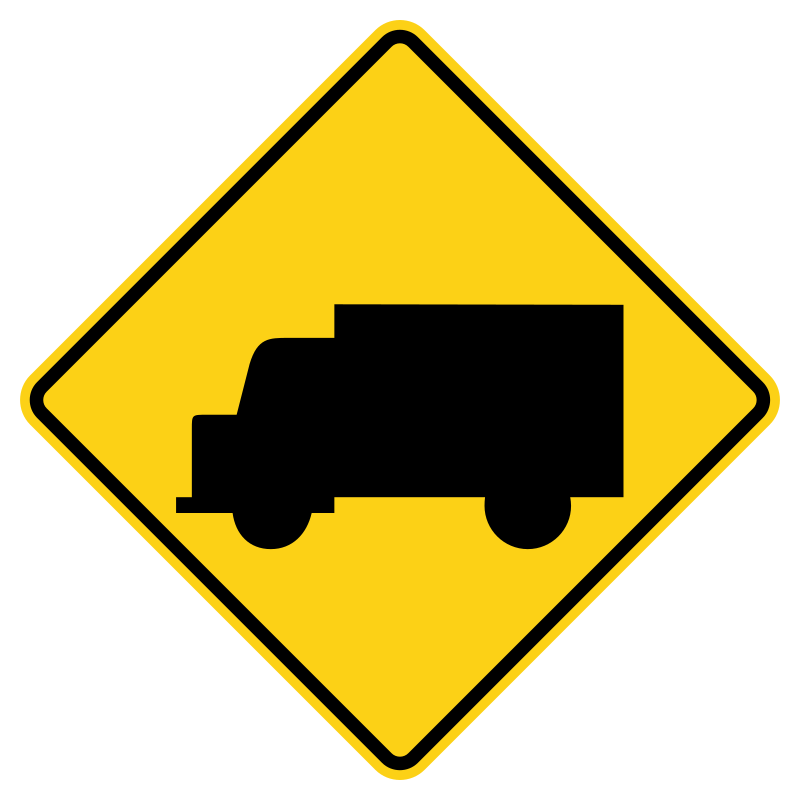
Truck crossing
What it means: Trucks may be entering or crossing the road ahead.
What to do: Watch for slow, turning trucks and be ready to slow down.
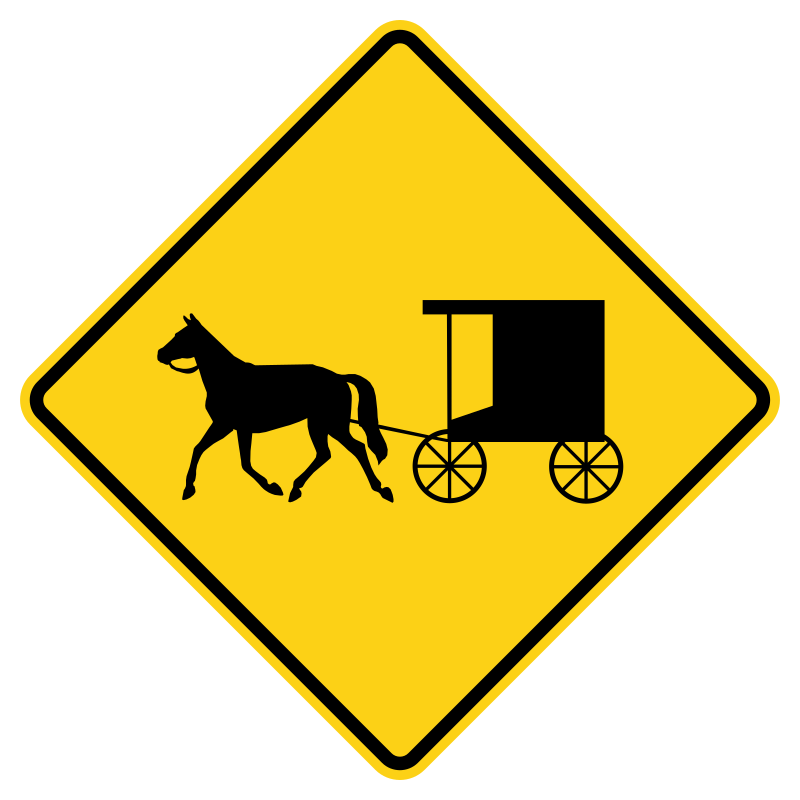
Horse-drawn vehicle
What it means: Slow horse-drawn vehicles may be on the road ahead.
What to do: Slow down, pass with plenty of room and avoid honking near horses.
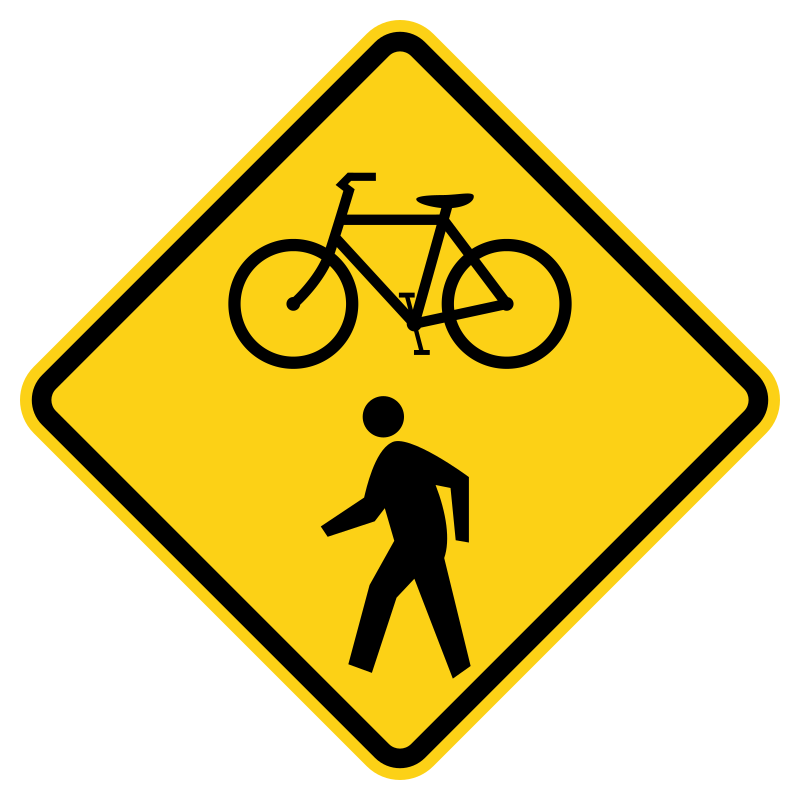
Trail crossing
What it means: A shared path for bicyclists and pedestrians crosses the road ahead.
What to do: Slow down and watch for people on foot or on bicycles crossing.
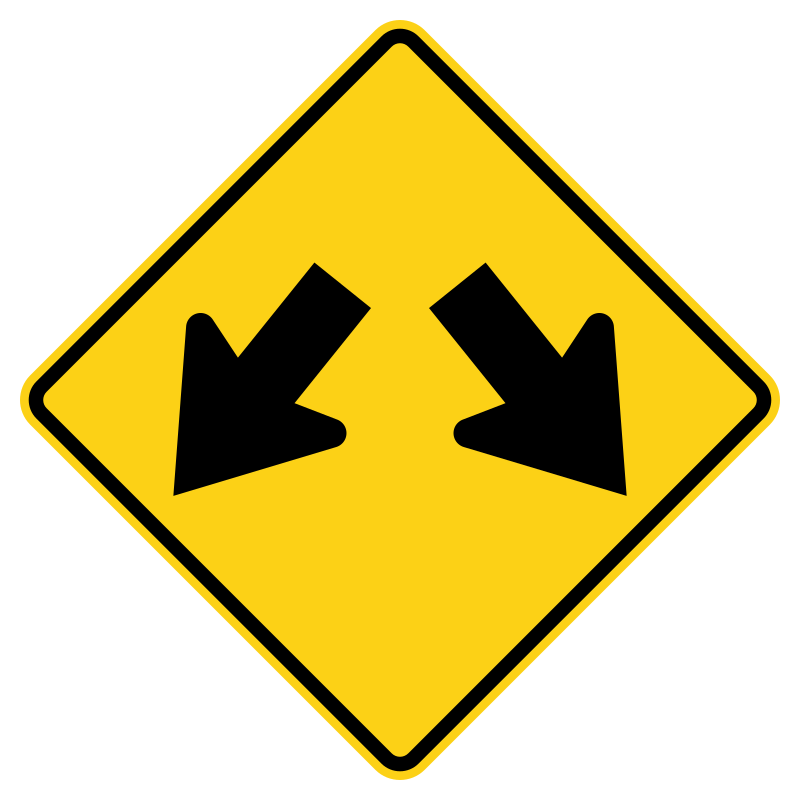
Double arrow
What it means: Traffic may pass on either side of the obstruction ahead.
What to do: Slow down and pass the object on either side.
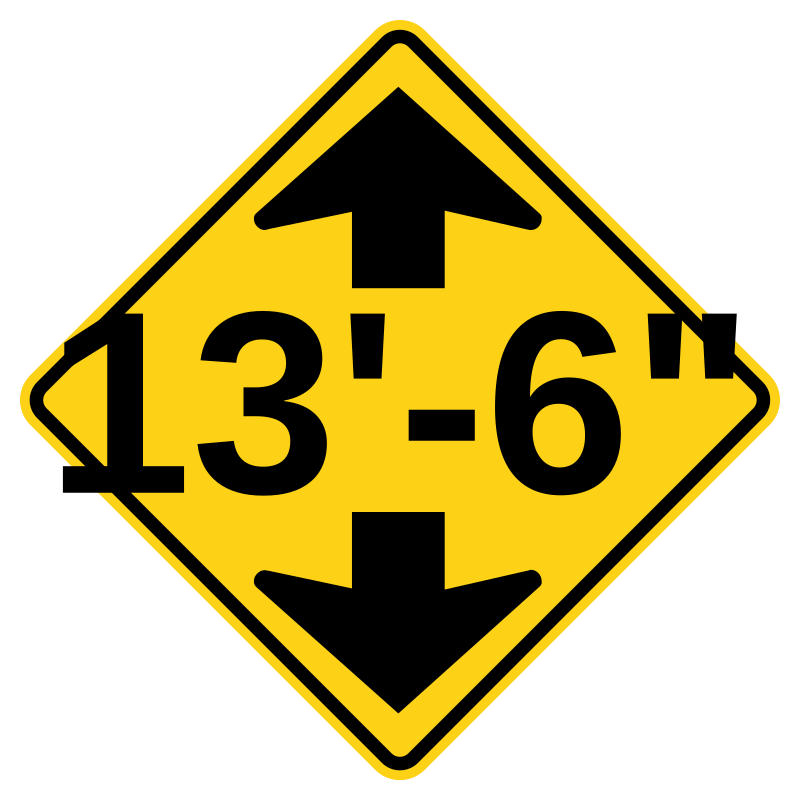
Low clearance
What it means: The overpass or structure ahead has the limited height shown.
What to do: If your vehicle and load are taller than the posted clearance, do not go under; take another route.
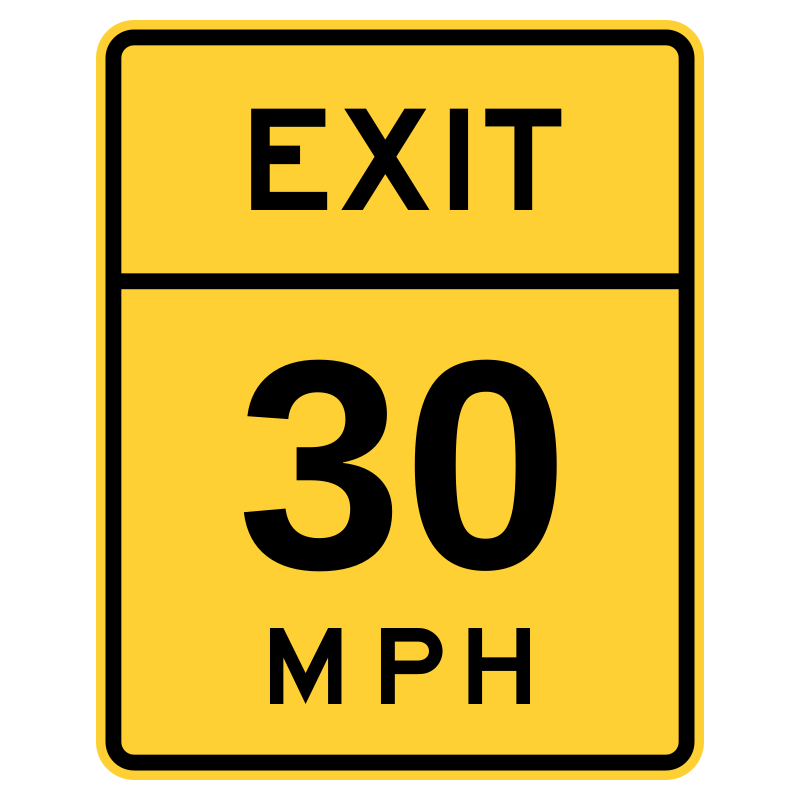
Exit advisory speed
What it means: The speed shown is the recommended safe speed for the exit ramp.
What to do: Slow down to the advised speed as you leave the highway, before you enter the ramp.
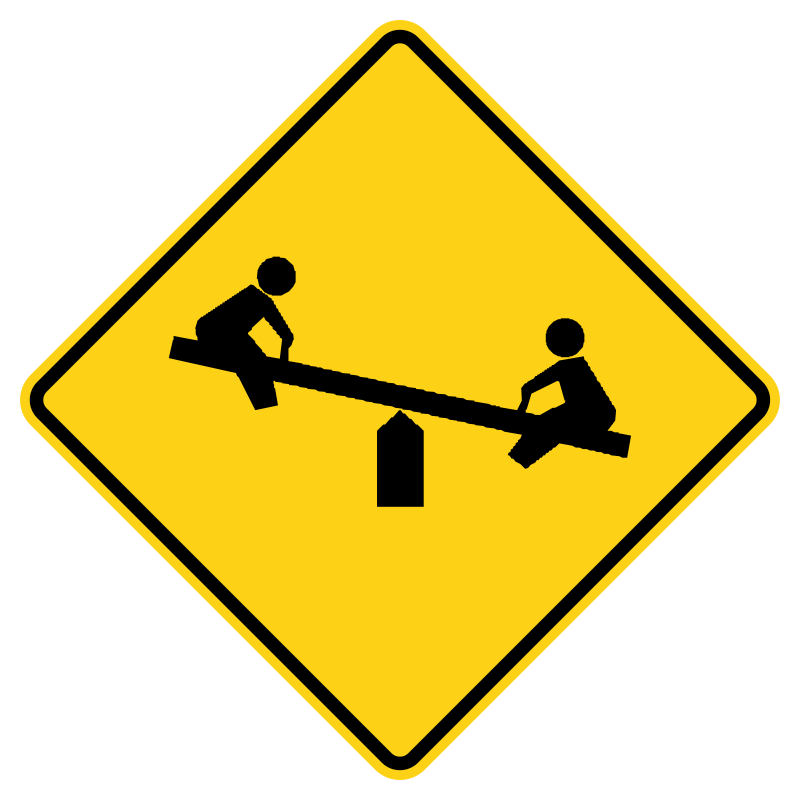
Playground
What it means: A playground is nearby.
What to do: Slow down and watch for children running into the road.
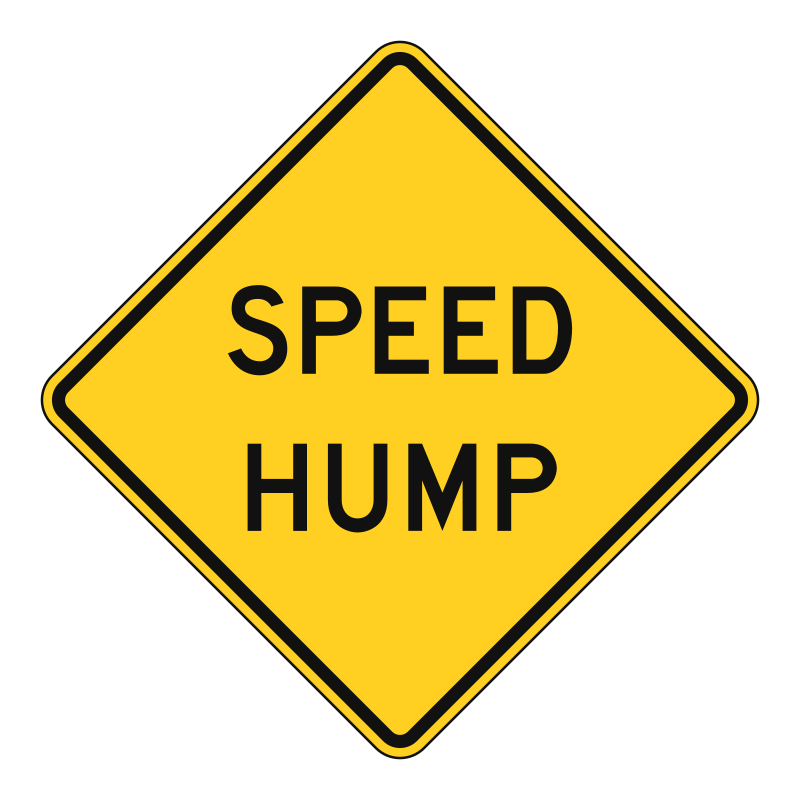
Speed hump
What it means: A raised speed hump is across the road ahead.
What to do: Slow down before the hump and drive over it gently.
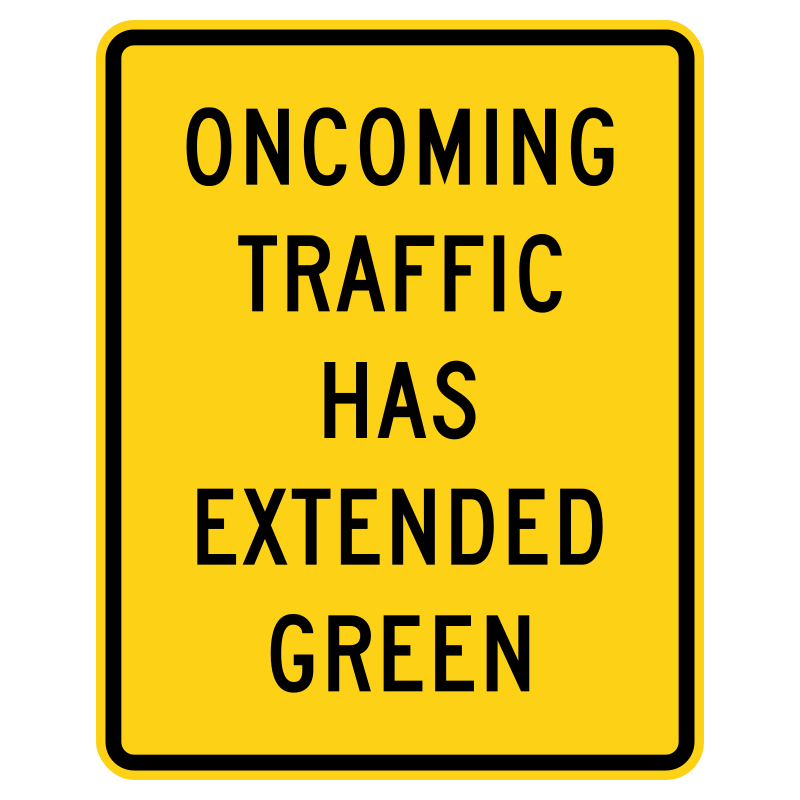
Oncoming traffic has extended green
What it means: Oncoming traffic may still have a green light after your signal turns yellow or red.
What to do: When turning left, do not assume oncoming vehicles will stop when your light changes; turn only when they have cleared.
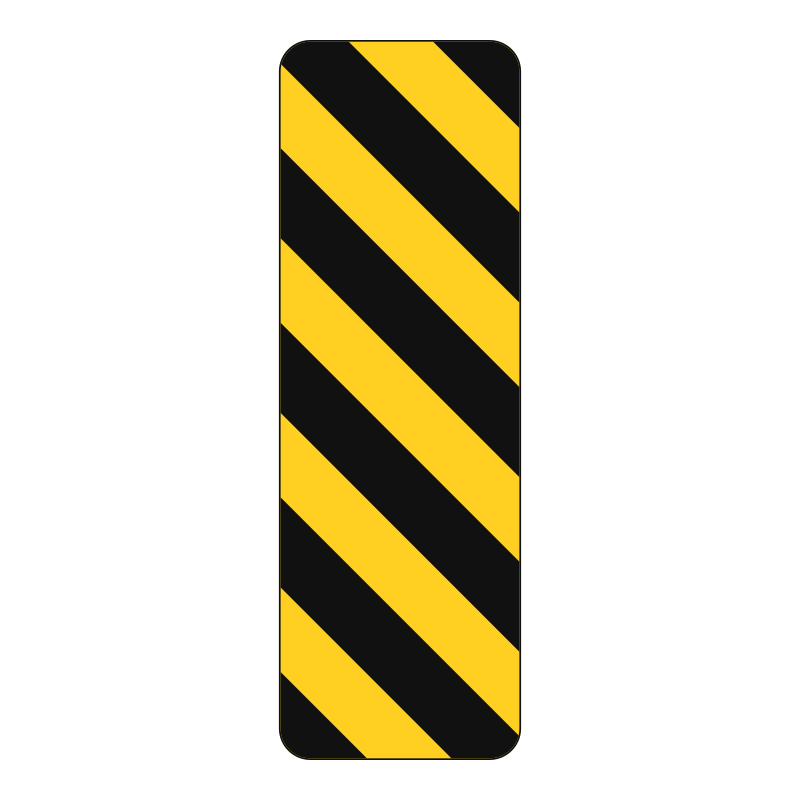
Object marker (obstruction on the left)
What it means: Marks an obstruction; the stripes slope down toward the side on which traffic must pass.
What to do: Pass the obstruction on the side the stripes slope down to, here the right.
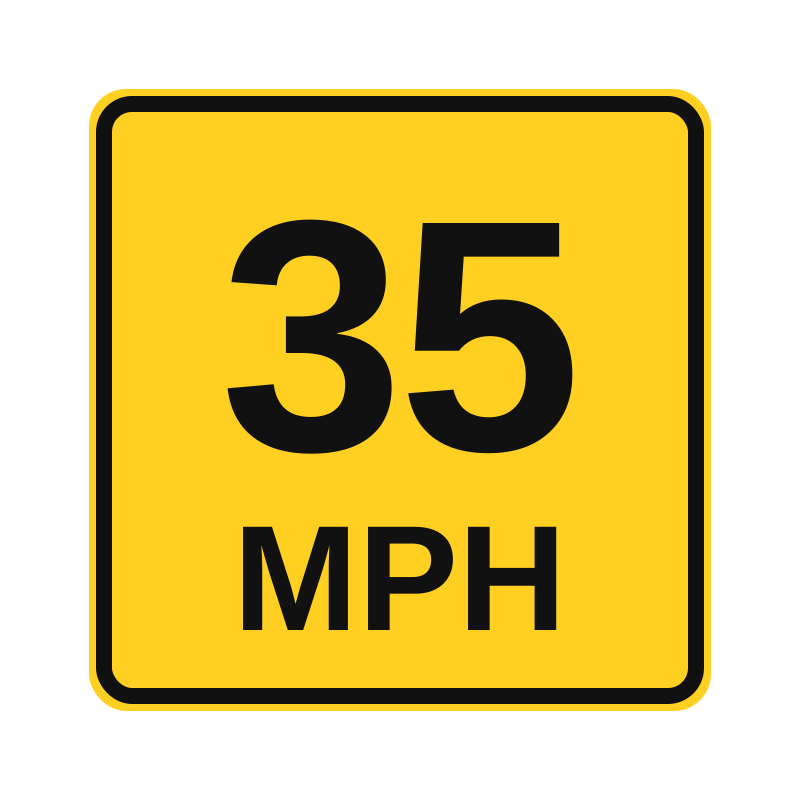
Advisory speed plaque
What it means: Below a warning sign, it gives the recommended safe speed for the condition; it is not the speed limit.
What to do: Slow to the advised speed before the curve or hazard.
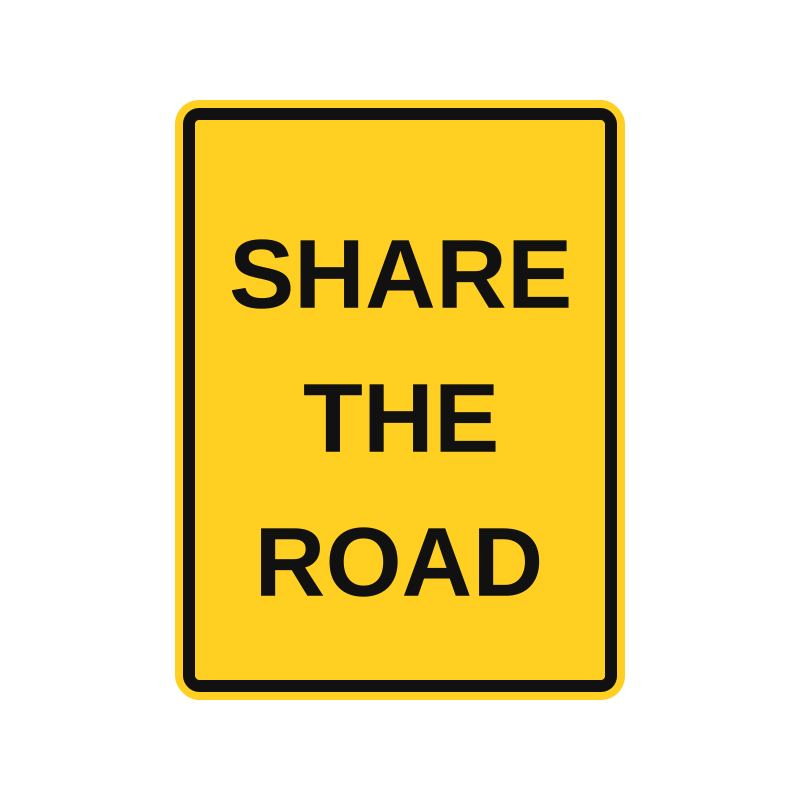
Share the road plaque
What it means: Below a warning sign, it reminds drivers to share the road with the road user shown, such as bicyclists.
What to do: Give that road user room and pass only when it is safe.
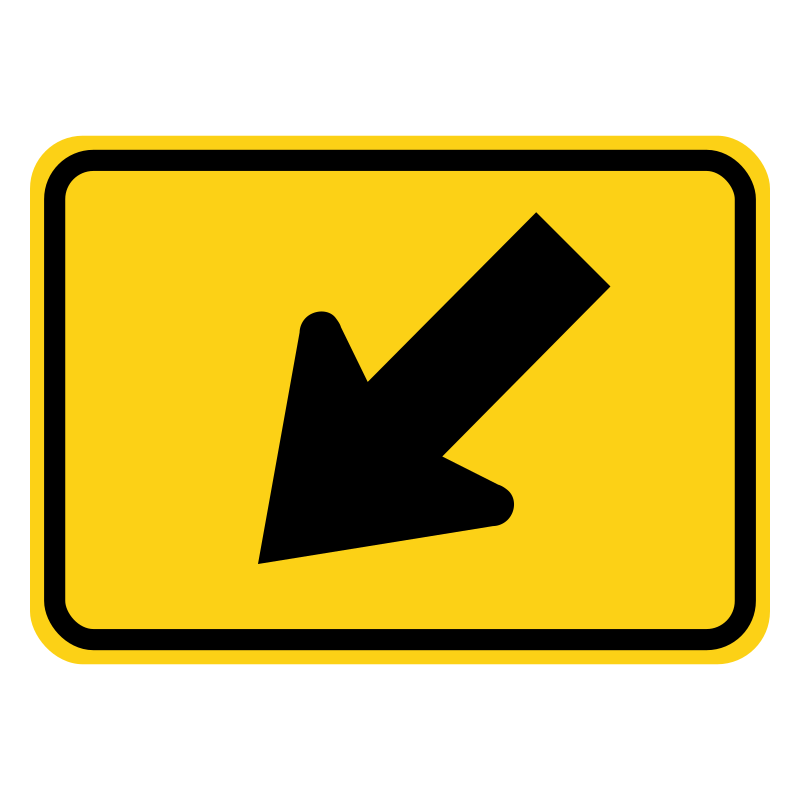
Diagonal downward arrow plaque
What it means: Mounted with a crossing warning sign, the arrow points to the exact crossing location.
What to do: Be ready to yield at the spot the arrow points to.
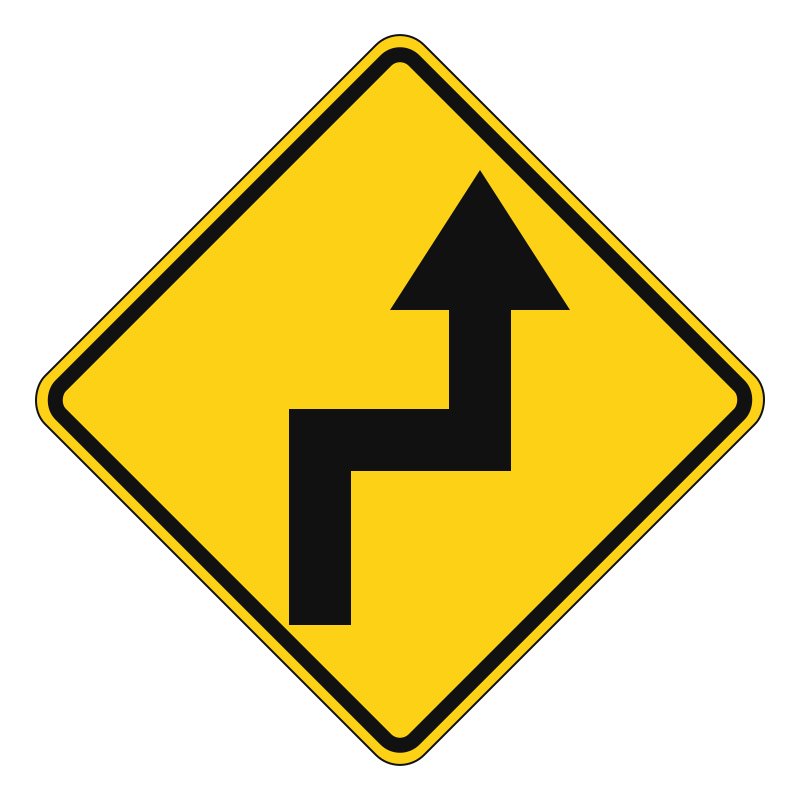
Reverse turn
What it means: Two sharp turns ahead, first to the right, then to the left.
What to do: Slow down before the first turn to a speed you can hold through both, and stay in your lane.
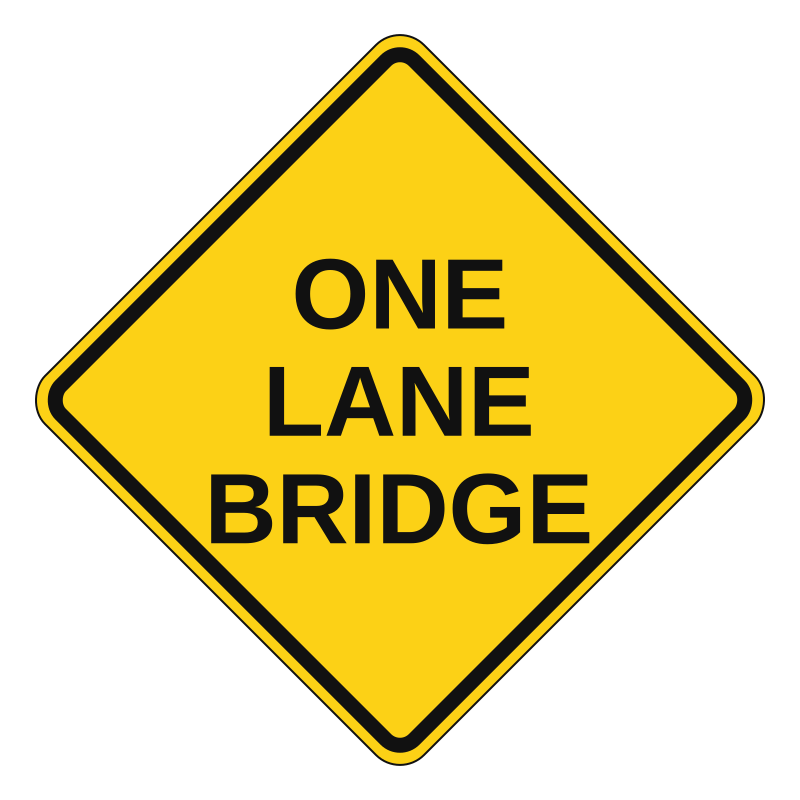
One lane bridge
What it means: The bridge ahead is only wide enough for one vehicle at a time.
What to do: Slow down; if a vehicle is already on the bridge or closer to it, wait for it to cross.
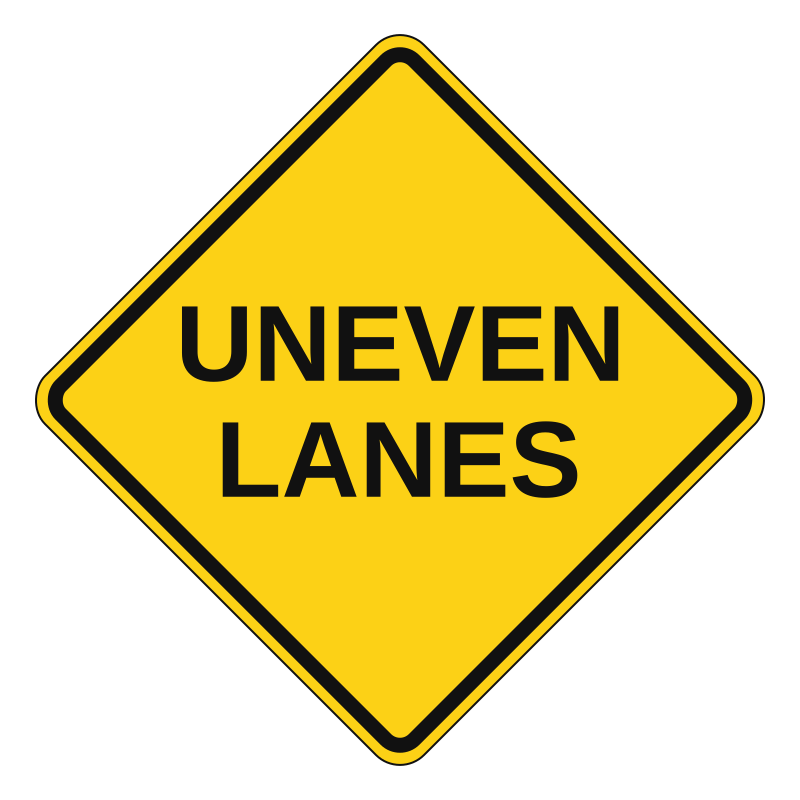
Uneven lanes
What it means: Next to each other, the lanes are at different heights, often during resurfacing.
What to do: Slow down and change lanes carefully, at a gentle angle, holding the wheel firmly.
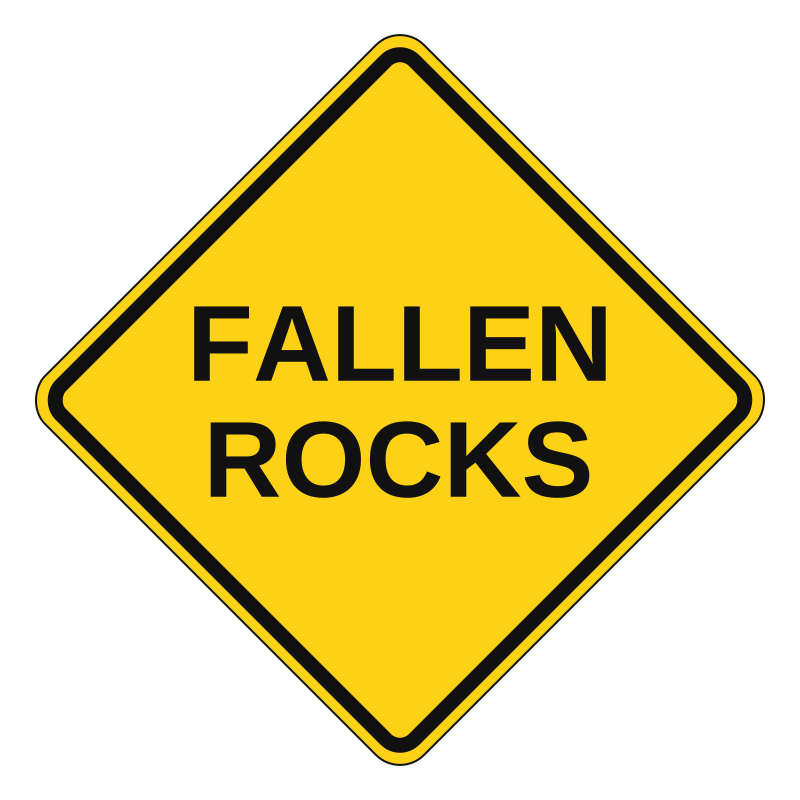
Fallen rocks
What it means: Rocks may have fallen onto the road from a nearby slope.
What to do: Slow down, watch the road ahead and be ready to stop or steer around rocks safely.
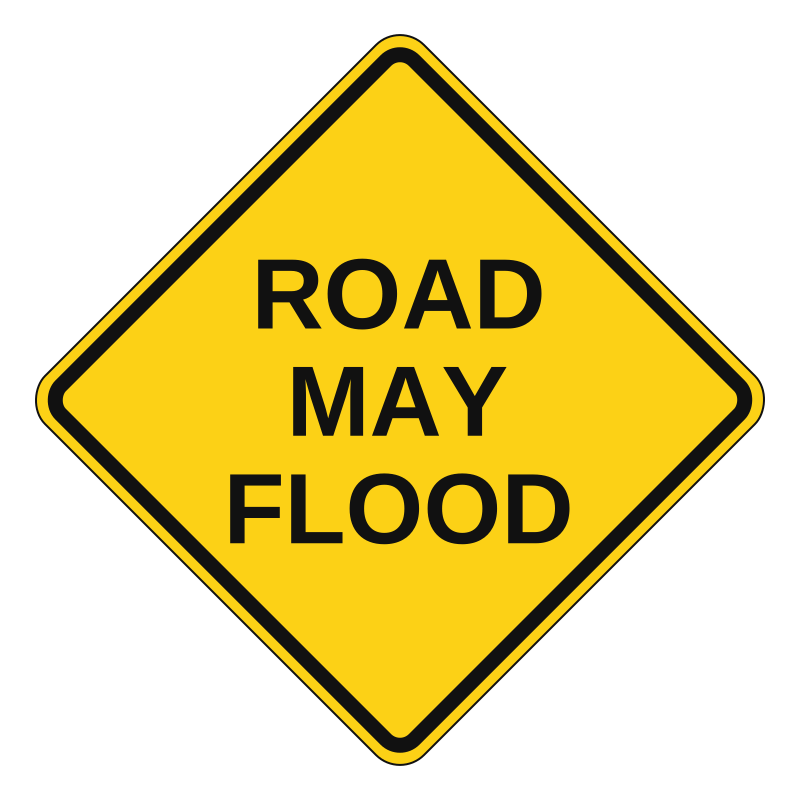
Road may flood
What it means: The road can be covered by water during heavy rain.
What to do: Never drive into water covering the road; turn around and find another route.
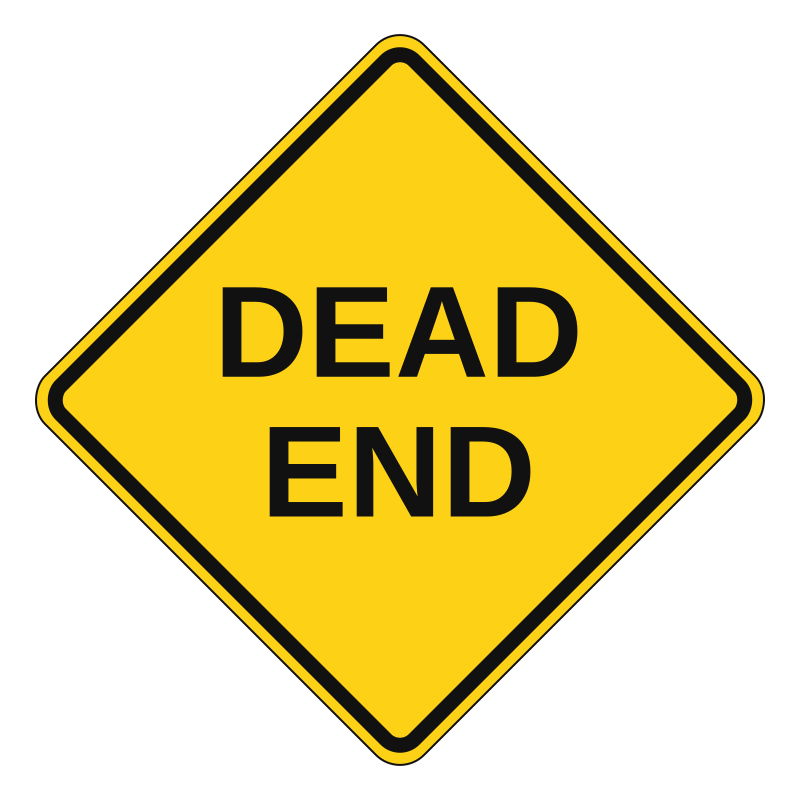
Dead end
What it means: The road ends ahead with no way through.
What to do: Enter only if your destination is on this road, and be ready to turn around at the end.
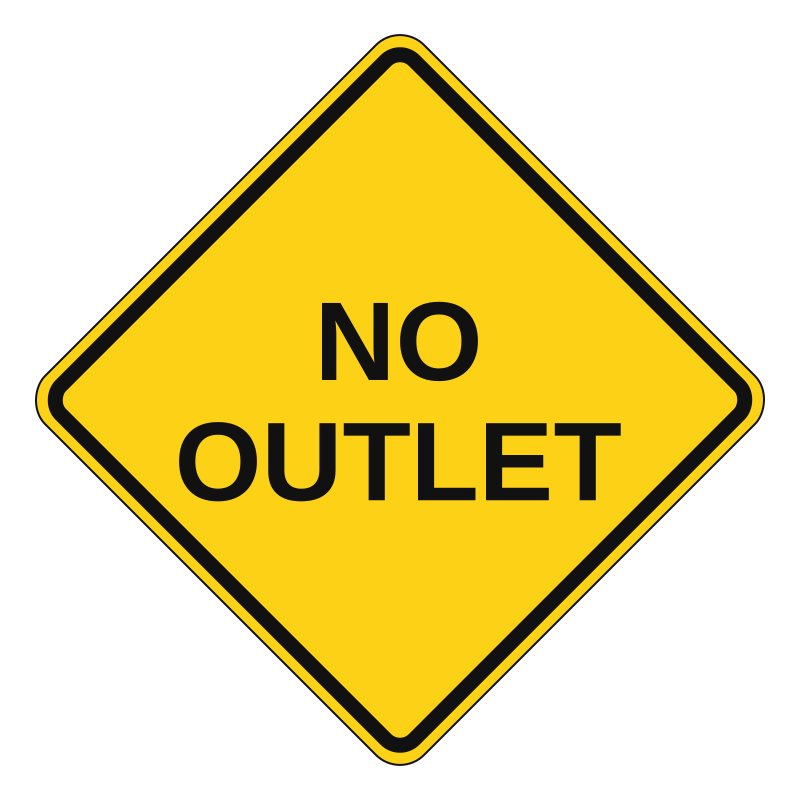
No outlet
What it means: The road and its side streets lead to no other through road.
What to do: Enter only if your destination is there; you will have to come back out the same way.
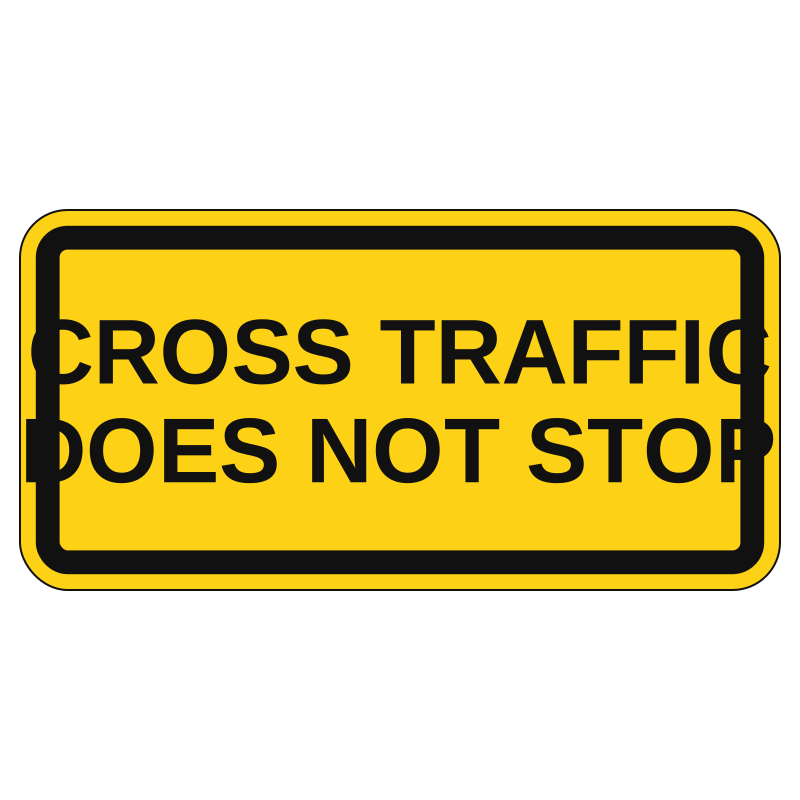
Cross traffic does not stop plaque
What it means: Below a stop sign: traffic on the cross road has no stop sign and will not stop for you.
What to do: After stopping, wait for a gap large enough in both directions before you go.
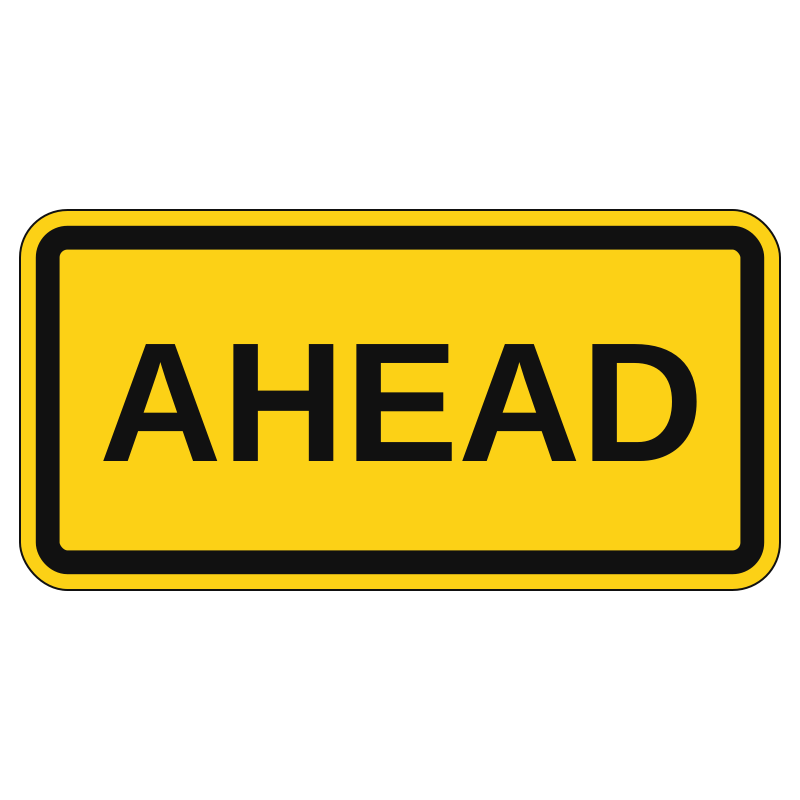
Ahead plaque
What it means: Added below a warning sign: the condition it warns of is farther down the road.
What to do: Get ready now: slow down and watch for the hazard shown on the sign above.
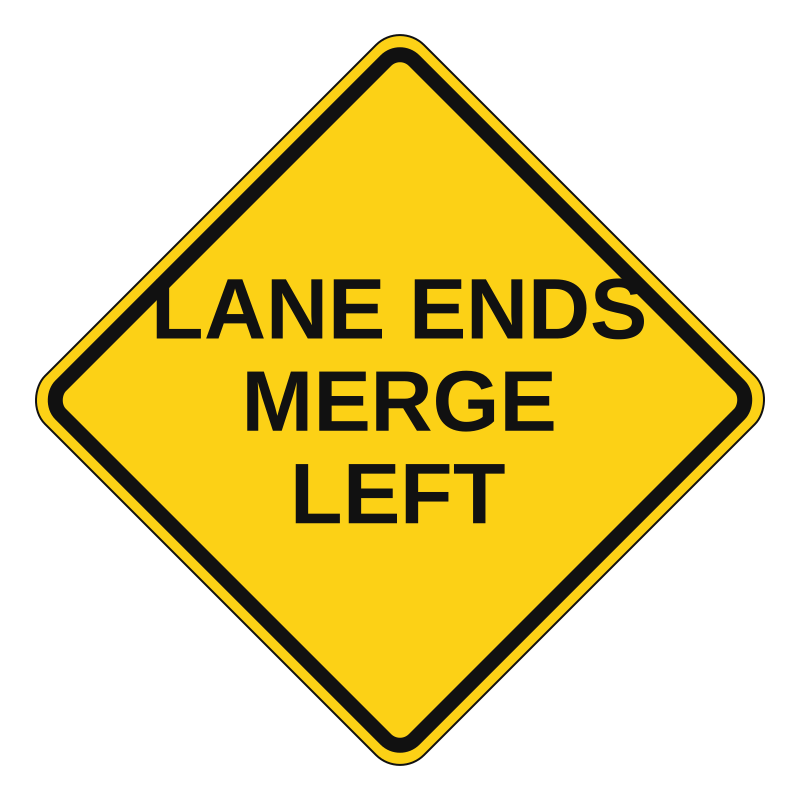
Lane ends merge left
What it means: Your lane ends ahead; traffic in it must move into the lane to the left.
What to do: Signal, find a gap and merge left before the lane ends; drivers in the left lane should let you in.
School
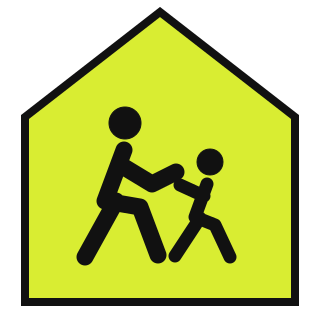
School zone or crossing
What it means: A school or school crossing is near.
What to do: Slow down, watch for children and obey crossing guards.
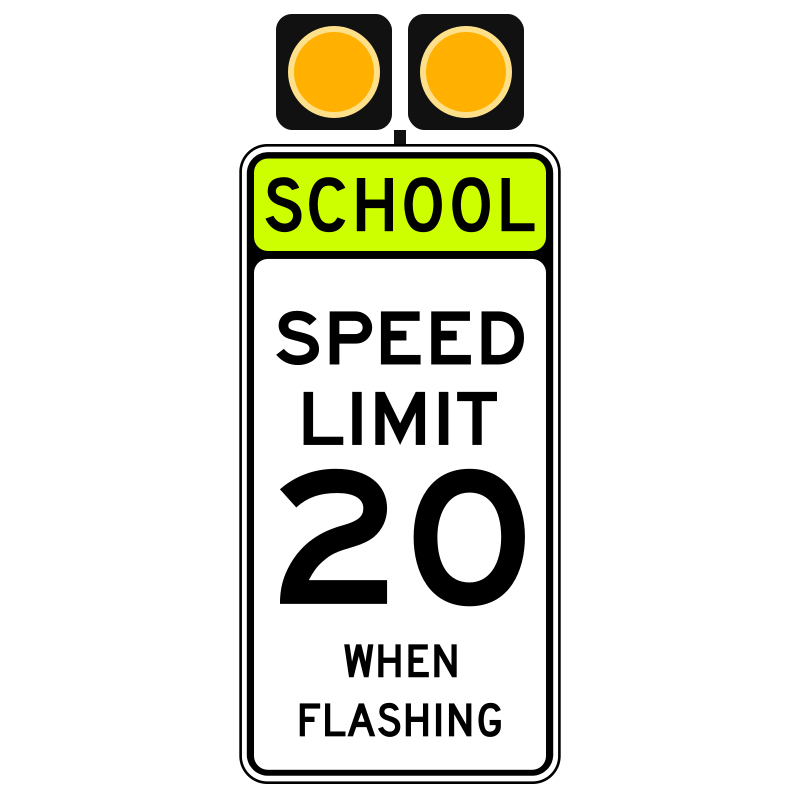
School speed limit when flashing
What it means: The lower school speed limit applies while the yellow beacons are flashing.
What to do: When the beacons flash, slow to the school limit and watch for children.
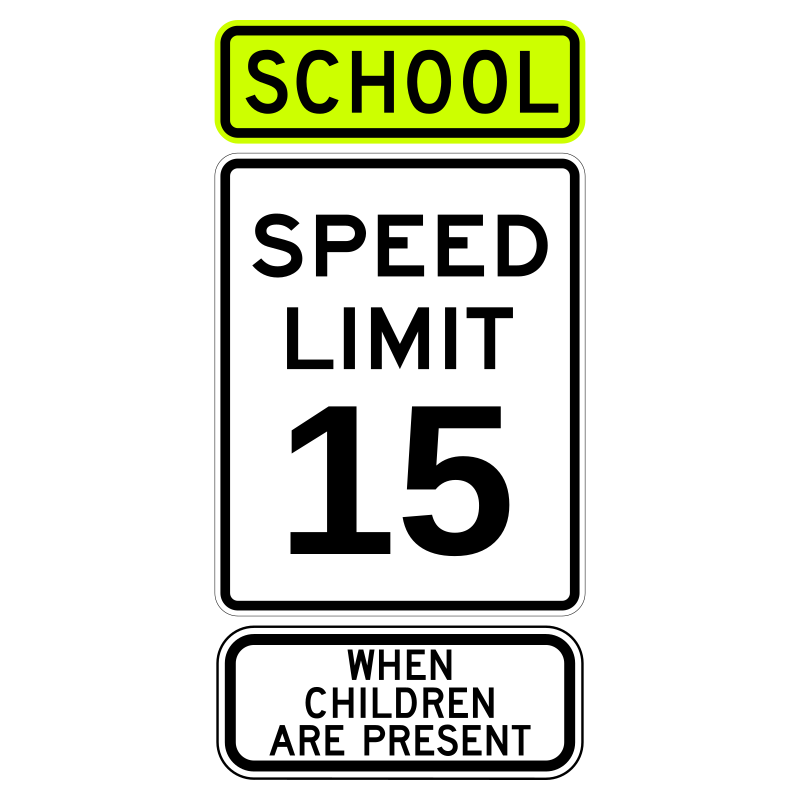
School speed limit when children are present
What it means: The lower school speed limit applies whenever children are present.
What to do: Slow to the school limit whenever you see children near the road.
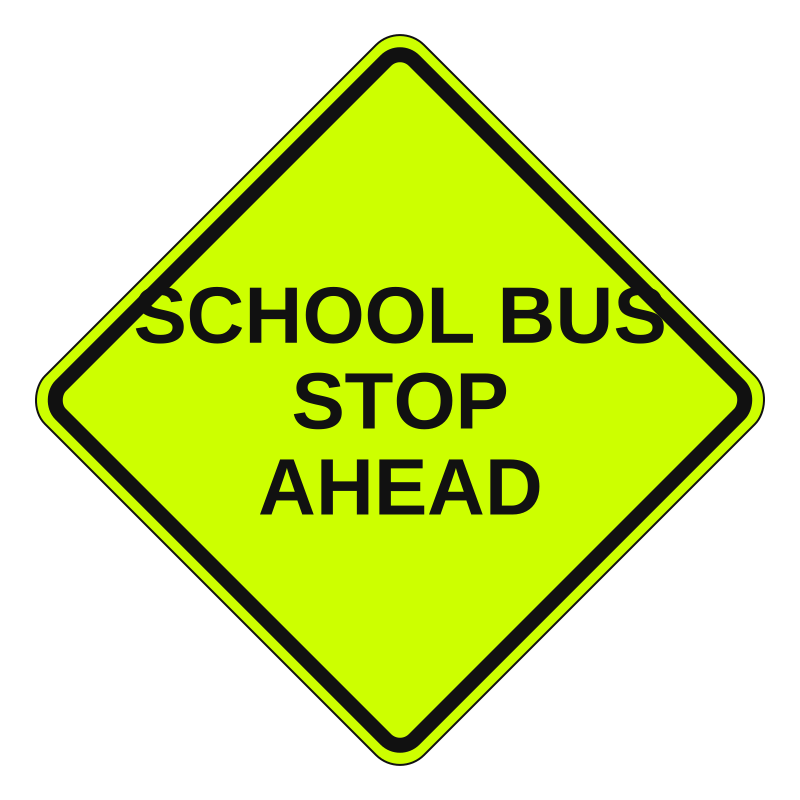
School bus stop ahead
What it means: A school bus stops ahead where drivers may not see it in time.
What to do: Slow down and be ready to stop when the bus shows flashing red lights and its stop arm.
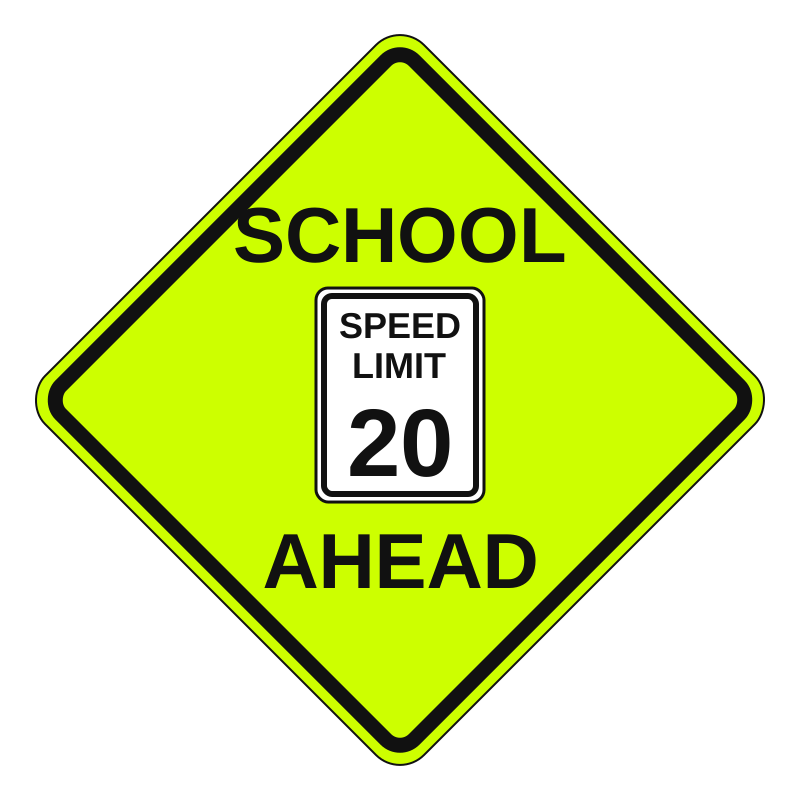
School speed limit ahead
What it means: A lower school-zone speed limit starts ahead.
What to do: Start slowing down now so you are at the school speed limit when the zone begins.
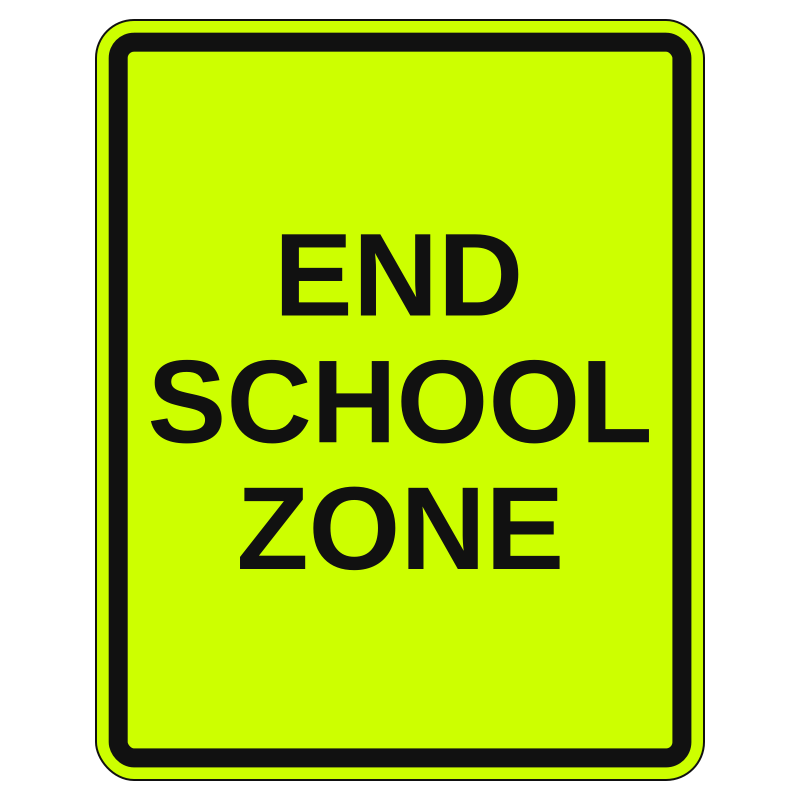
End school zone
What it means: The school zone and its reduced speed limit end here.
What to do: Return to the normal posted speed limit, still watching for children.
Work zones
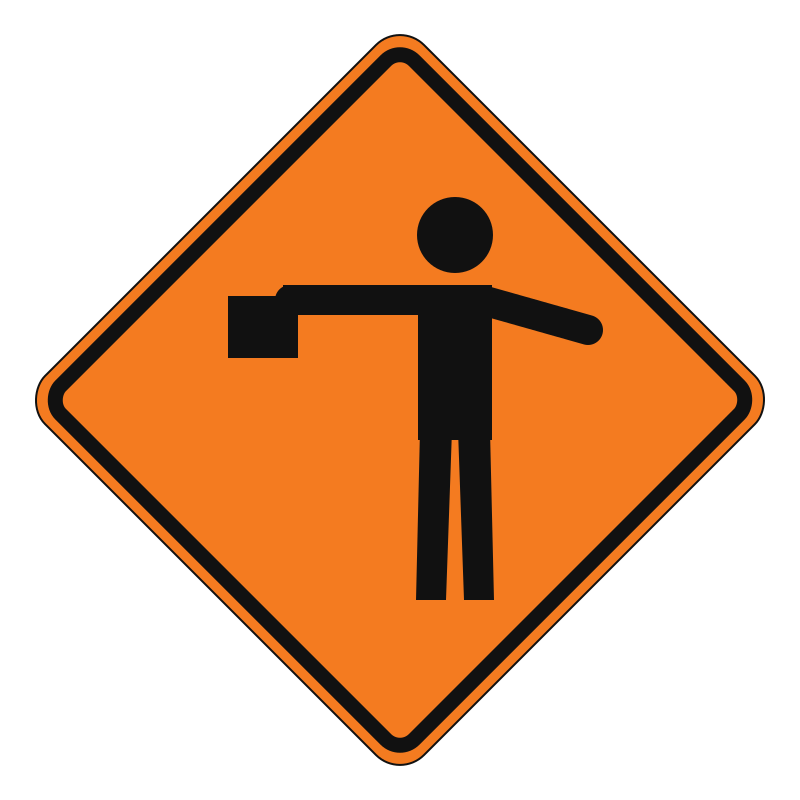
Flagger ahead
What it means: A worker directing traffic is ahead.
What to do: Slow down and follow the flagger’s signals.
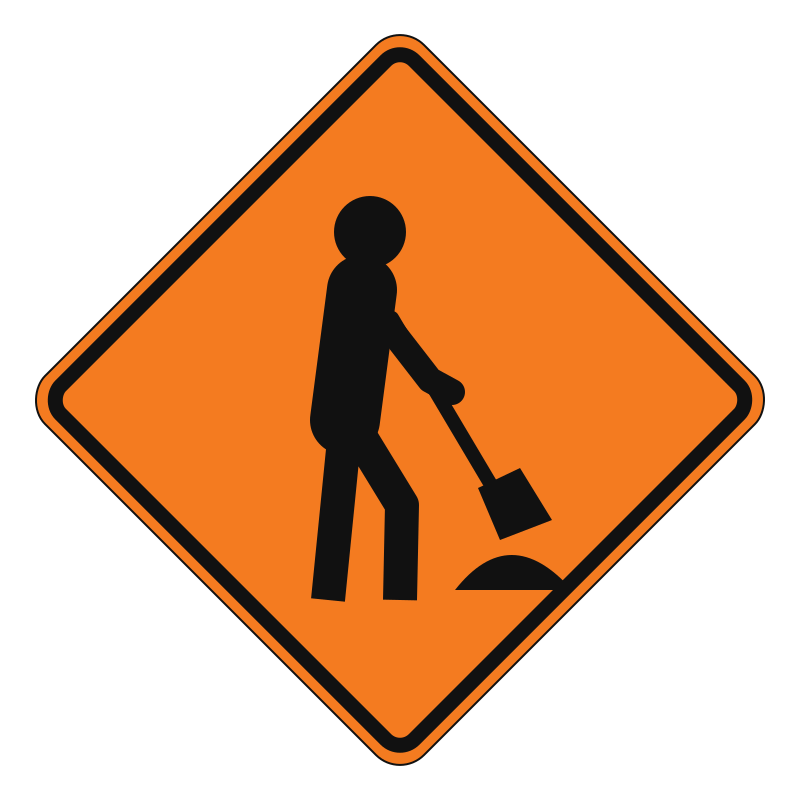
Workers ahead
What it means: People are working on or near the road.
What to do: Slow down, stay alert and obey work-zone speed limits.
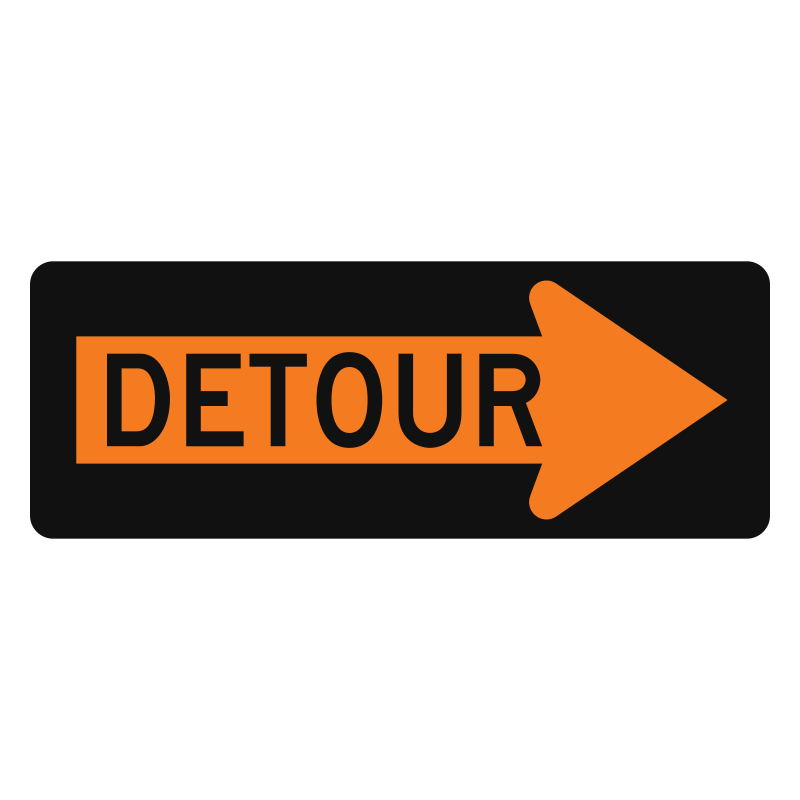
Detour arrow
What it means: Shows the direction of the detour route.
What to do: Follow the arrow to stay on the detour.
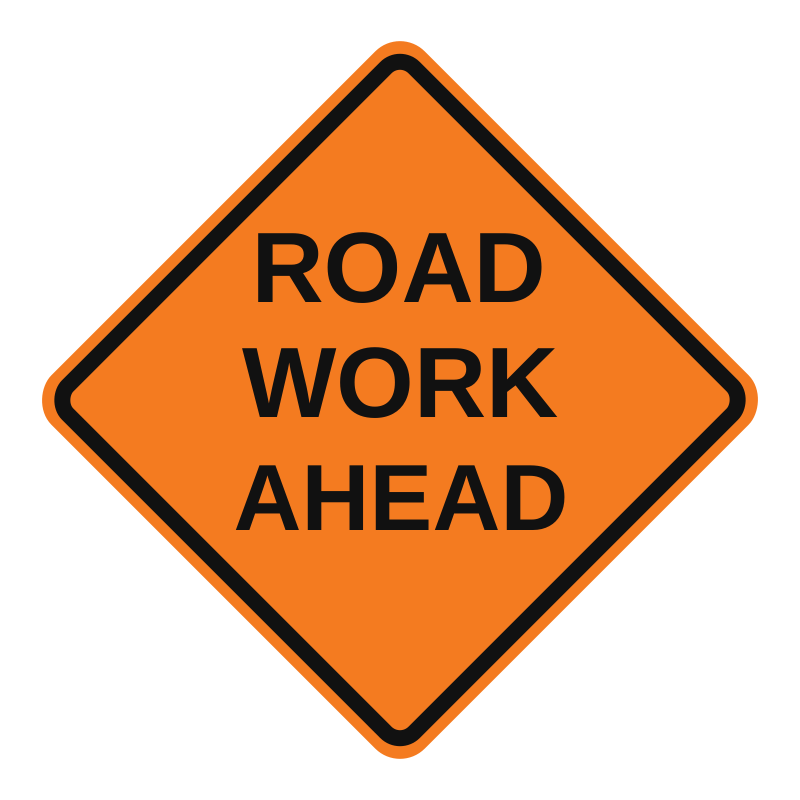
Road work ahead
What it means: A work zone is ahead.
What to do: Slow down, stay alert and watch for workers, equipment and lane changes.
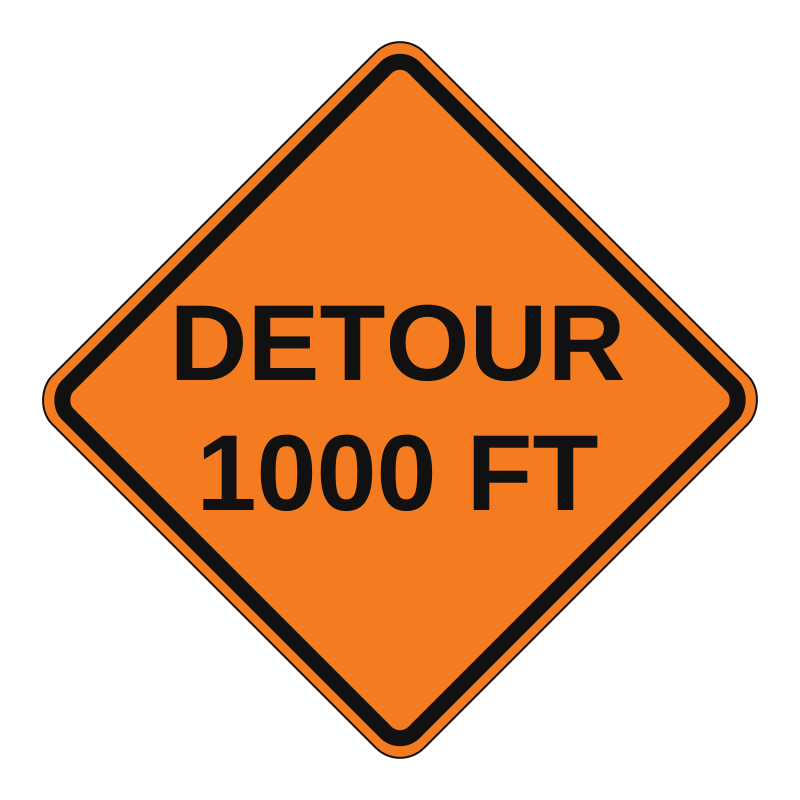
Detour ahead
What it means: A detour begins at the distance shown.
What to do: Slow down and follow the detour signs.
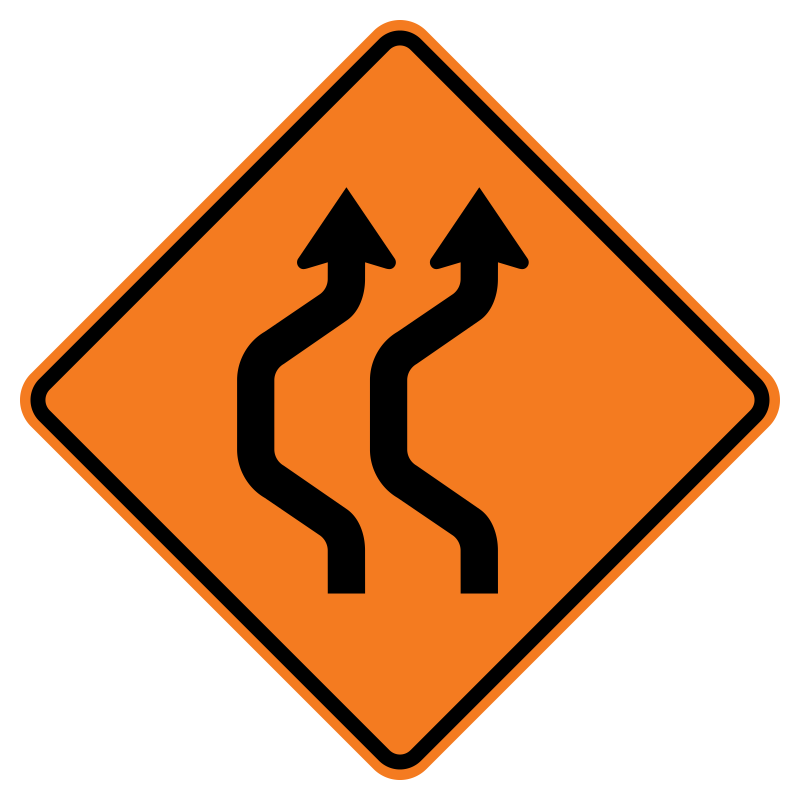
Double reverse curve
What it means: The lanes shift one way and then back ahead, as in a work-zone crossover.
What to do: Slow down, stay in your lane and follow its path.
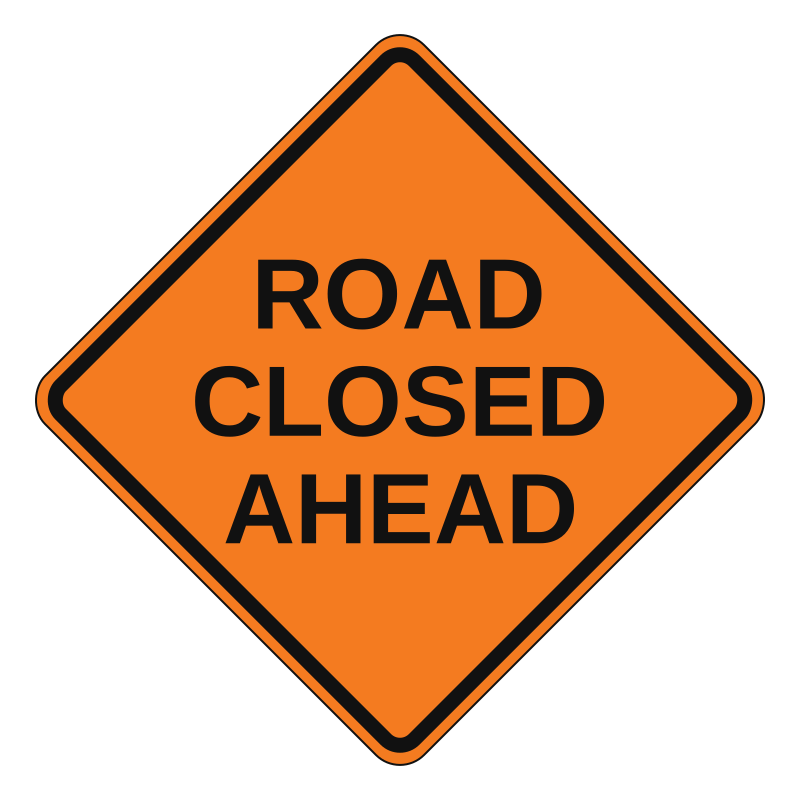
Road closed ahead
What it means: The road is closed farther ahead because of work.
What to do: Slow down and get ready to follow detour signs or take another route.
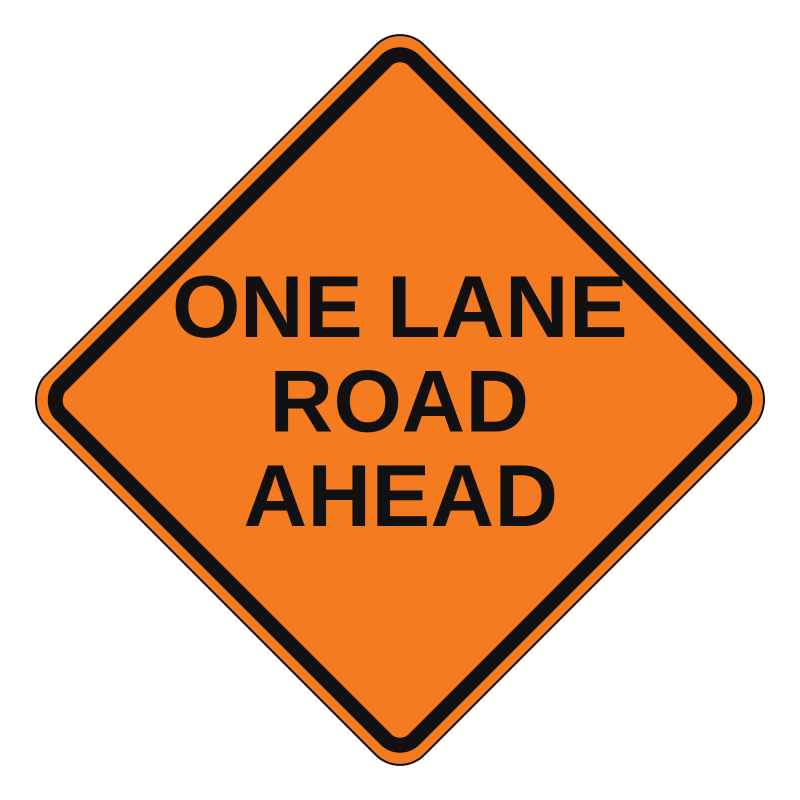
One lane road ahead
What it means: Ahead, traffic from both directions takes turns using one lane, usually controlled by a flagger or a signal.
What to do: Slow down, be ready to stop and follow the flagger or signal; do not pass.
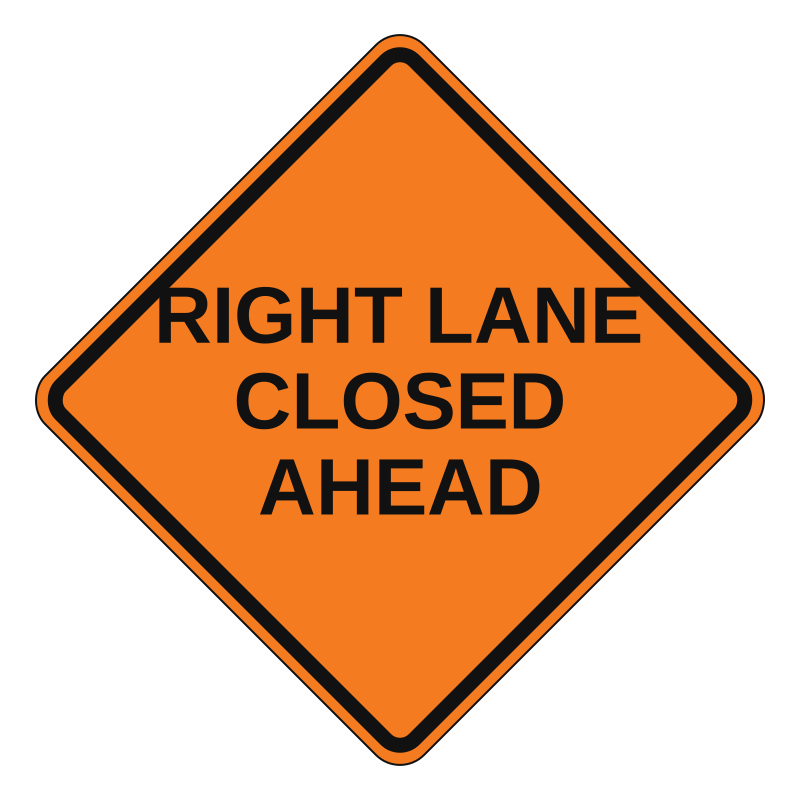
Lane closed ahead
What it means: A lane (here the right lane) is closed ahead for work.
What to do: Merge early into an open lane when it is safe, and slow down through the work zone.
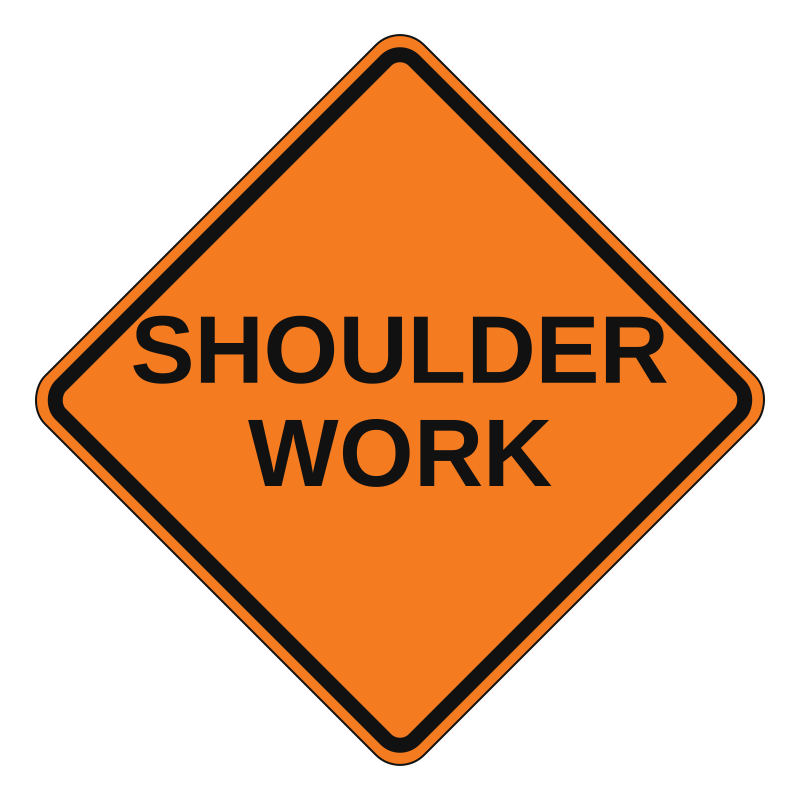
Shoulder work
What it means: Work is going on along the shoulder next to your lane.
What to do: Slow down, stay in your lane and, if you can, move over a lane to give workers room.
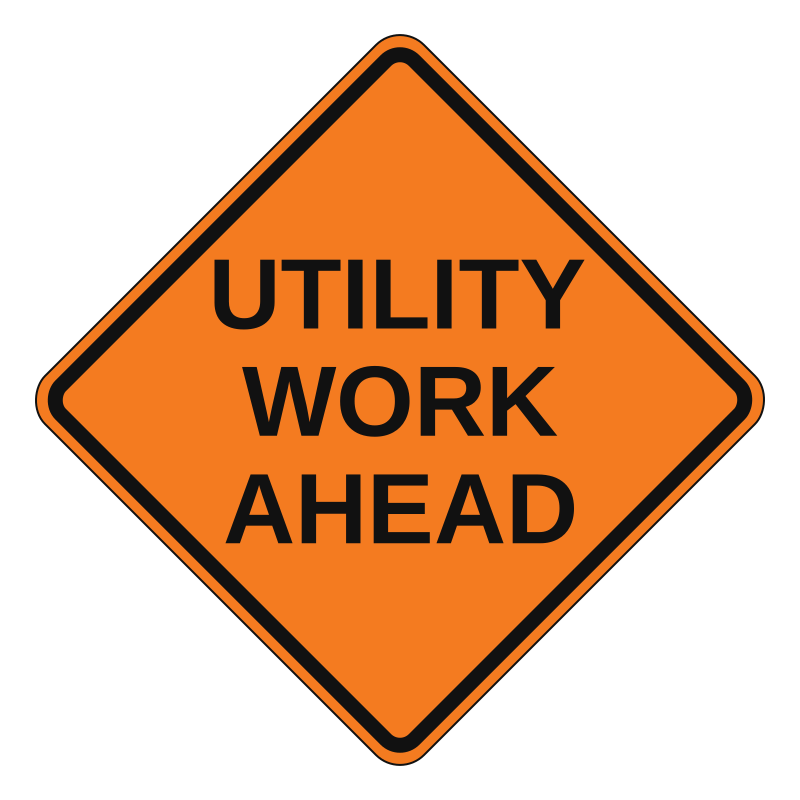
Utility work ahead
What it means: Utility crews (power, phone, water, gas) are working on or near the road ahead.
What to do: Slow down, watch for workers, trucks and cones, and be ready to stop.
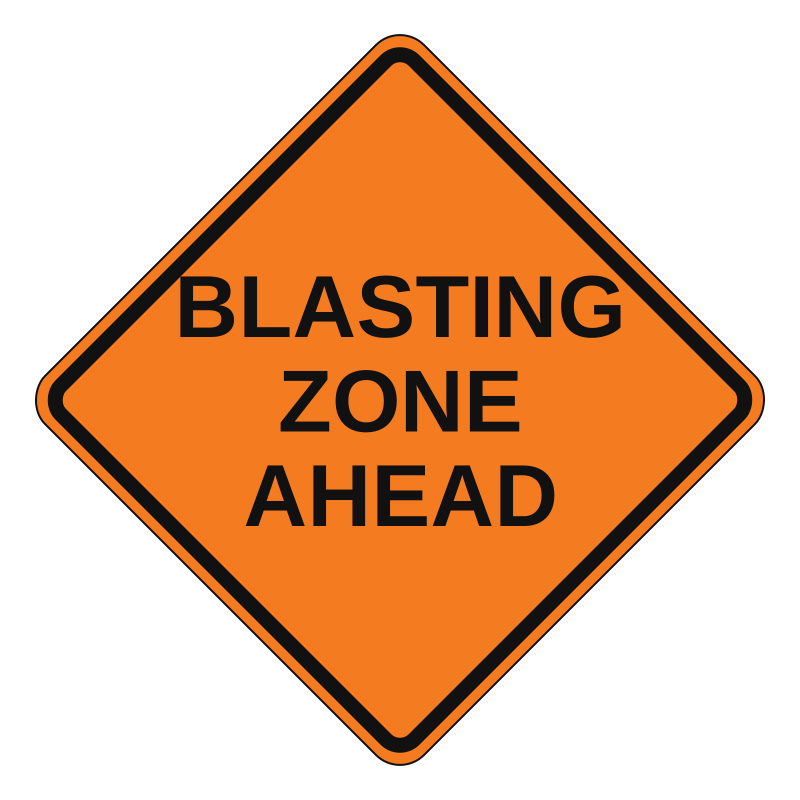
Blasting zone ahead
What it means: Explosives are being used ahead; radio signals can set off the detonators.
What to do: Turn off two-way radios and cell phones and keep them off until you pass the END BLASTING ZONE sign.
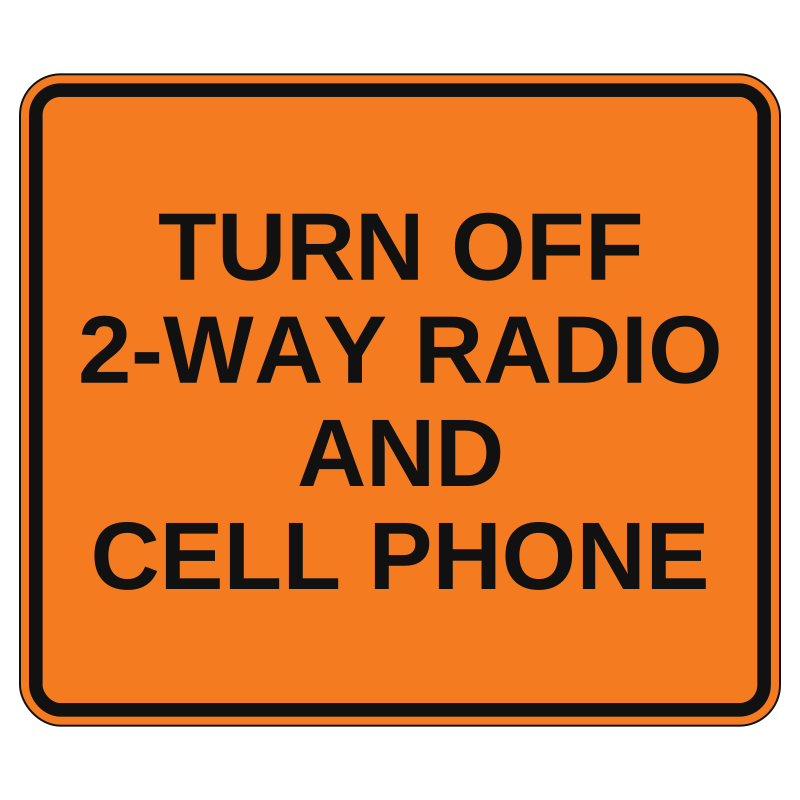
Turn off two-way radio and cell phone
What it means: You are near a blasting zone, where radio signals can set off explosives.
What to do: Switch off two-way radios and cell phones now and do not transmit until the blasting zone ends.
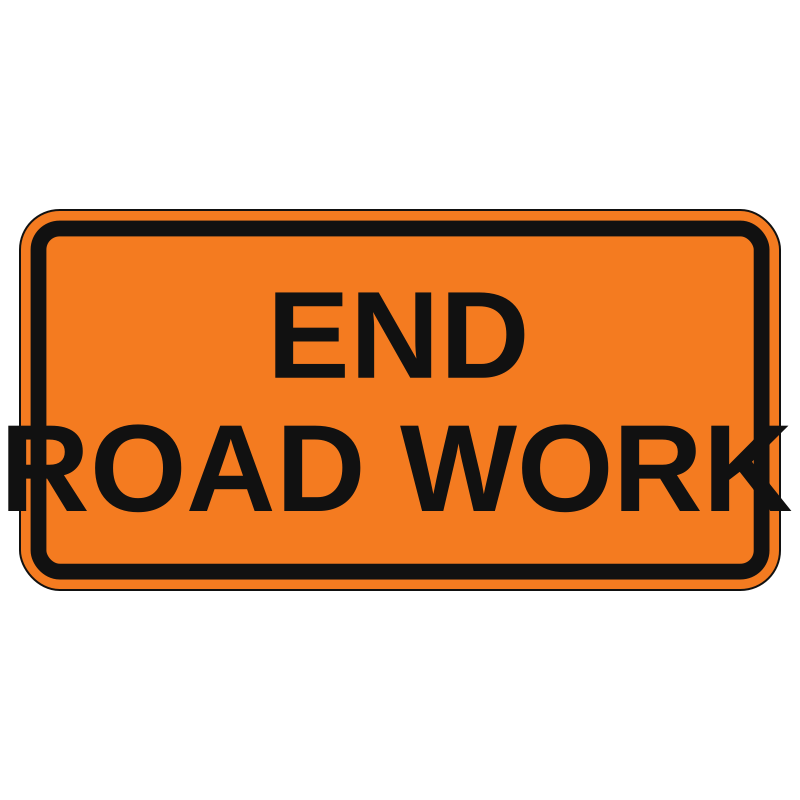
End road work
What it means: The work zone ends here.
What to do: Return to normal driving and the posted speed, still watching for work vehicles leaving the zone.
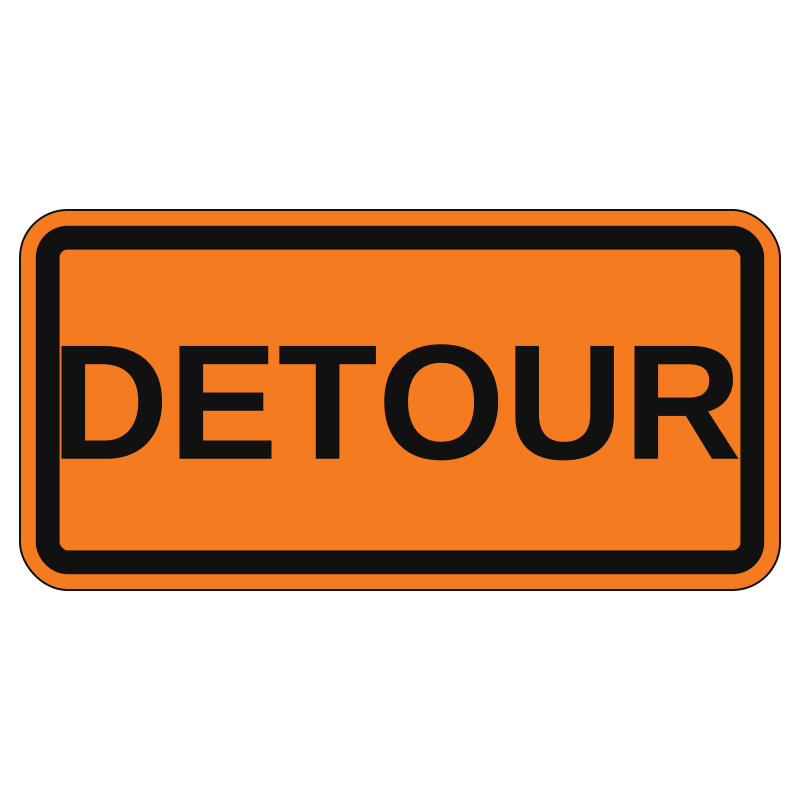
Detour plaque
What it means: Mounted above a route marker or arrow: it marks the detour route.
What to do: Follow the DETOUR signs until they lead you back to your route.
Guide
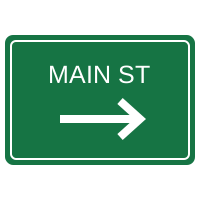
Destination sign
What it means: Shows the direction to a place or street.
What to do: Use it to plan your lane and turn early.
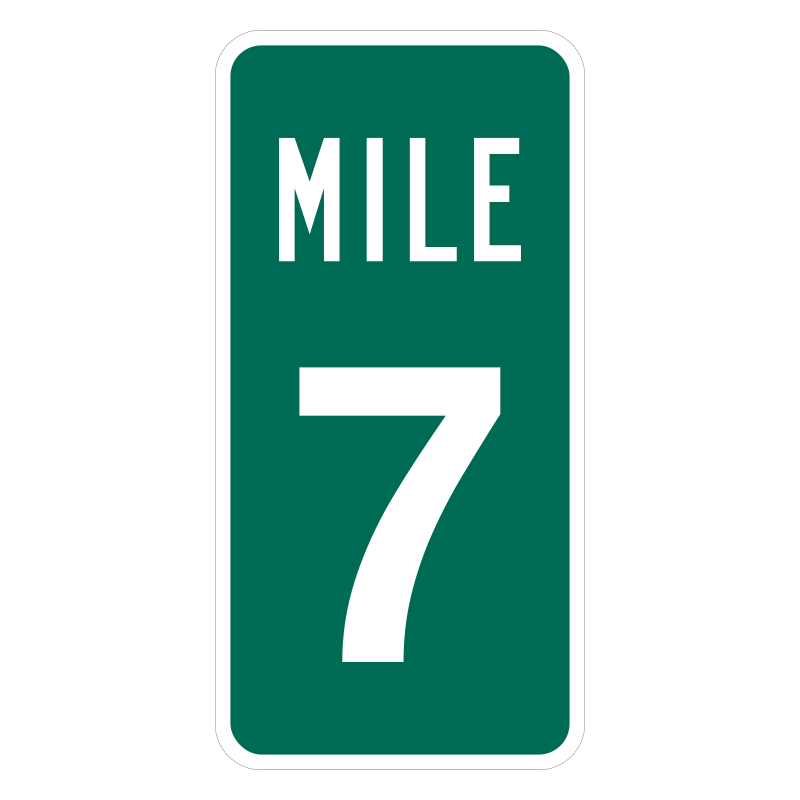
Mile marker
What it means: Shows your location along the highway by mile number.
What to do: Note the nearest number so you can tell responders exactly where you are in an emergency.
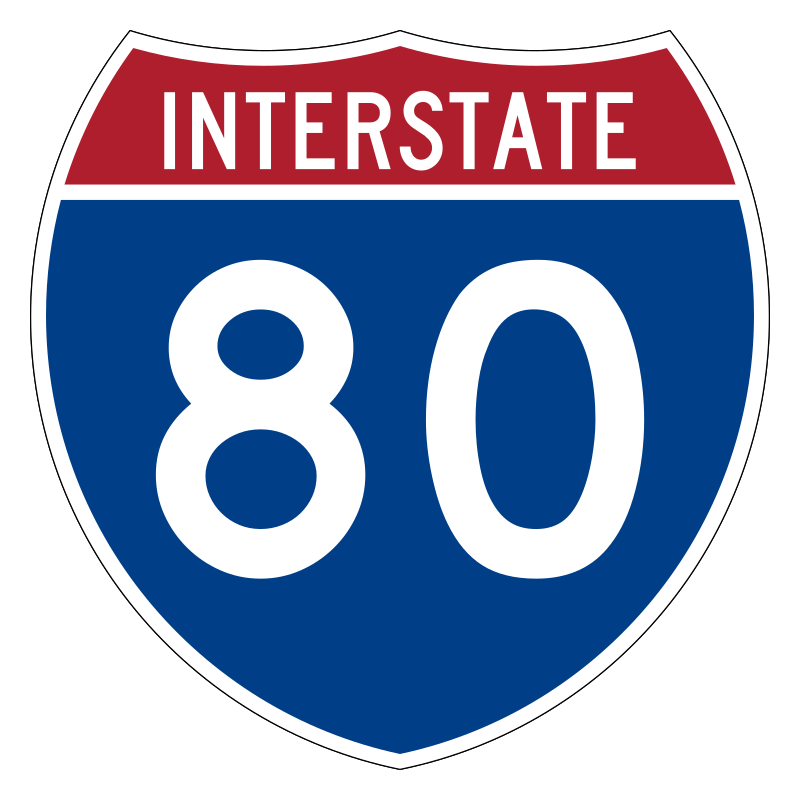
Interstate route marker
What it means: The red, white and blue shield marks an Interstate highway; even numbers generally run east-west and odd numbers north-south.
What to do: Follow the shield with your route number to stay on that Interstate.
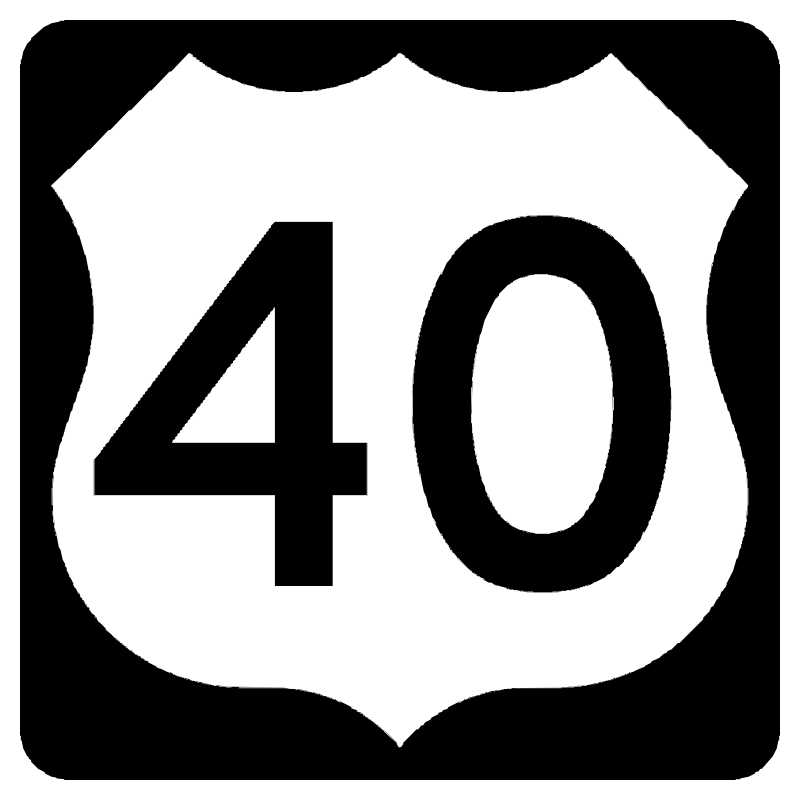
U.S. route marker
What it means: The shield marks a U.S. numbered highway.
What to do: Follow the shield with your route number to stay on that route.
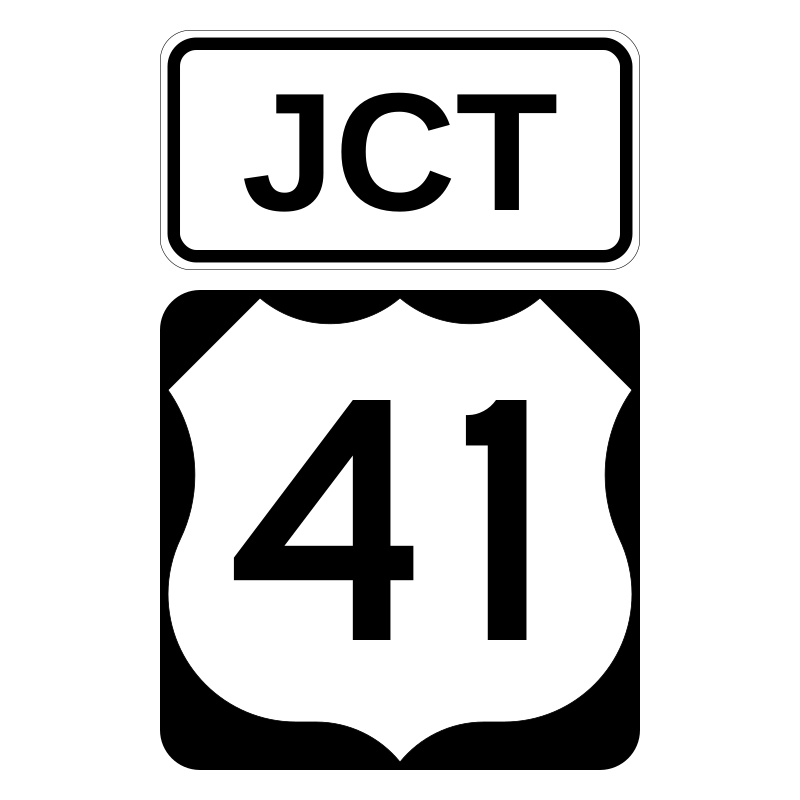
Junction plaque
What it means: Mounted above a route marker, it means the junction with that route is ahead.
What to do: Get ready to turn if you want the route shown.
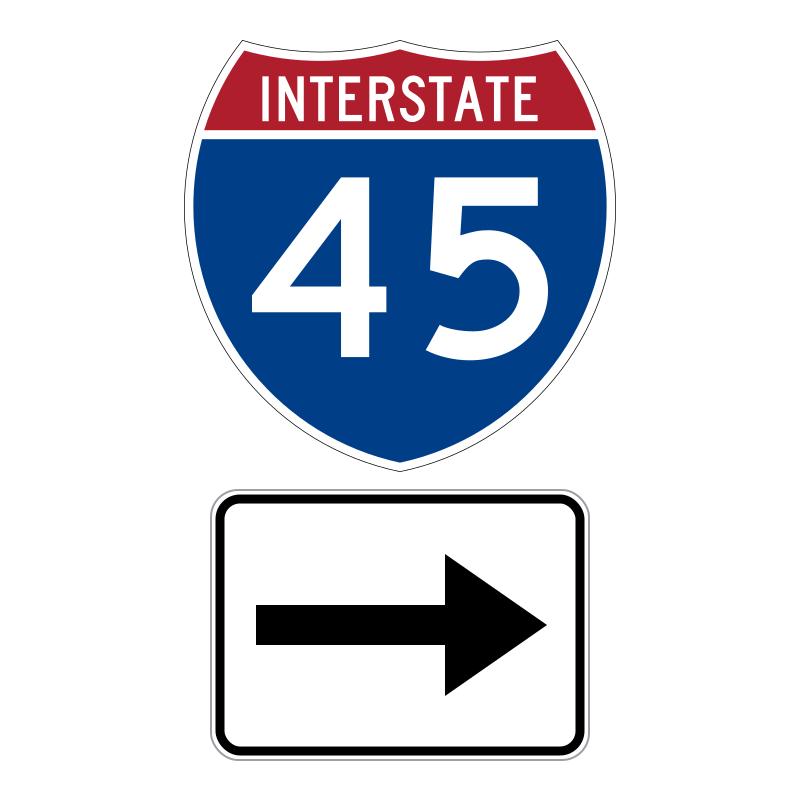
Directional arrow auxiliary
What it means: The arrow below a route marker shows which way to turn to follow that route.
What to do: Turn the way the arrow points to reach the route shown.
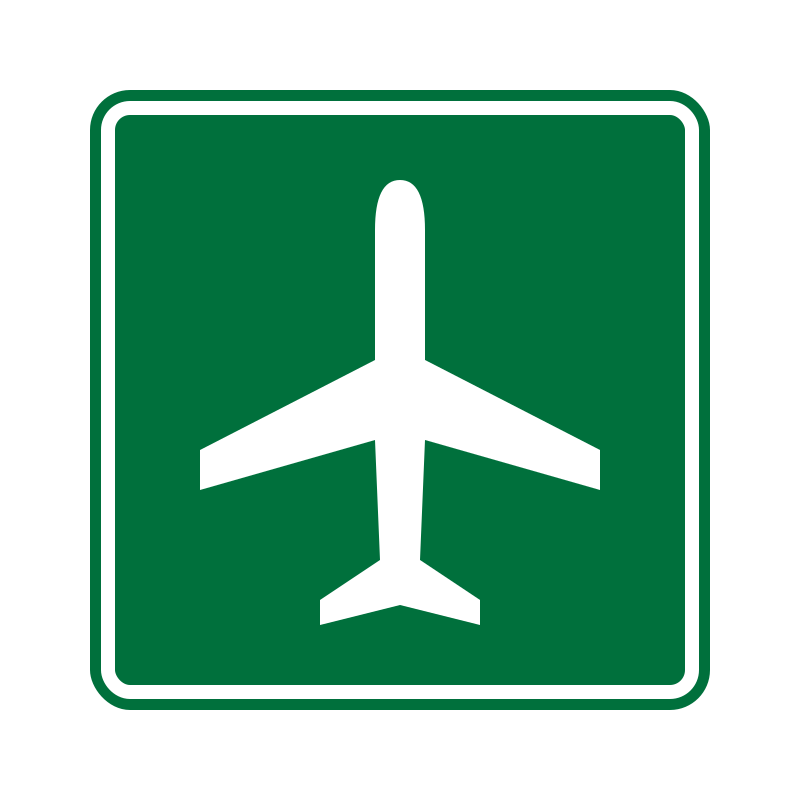
Airport
What it means: The route to an airport follows this sign.
What to do: Follow the airport signs if you are going to the airport.
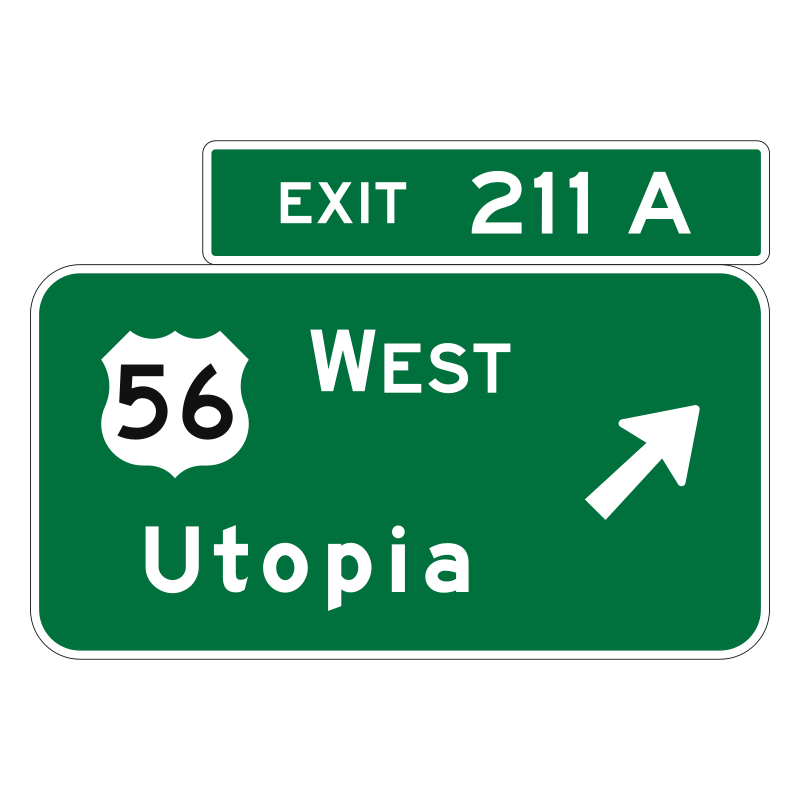
Exit direction
What it means: Marks the exit itself; the exit number plaque and the arrow show where the exit lane leaves the highway.
What to do: If this is your exit, be in the exit lane and follow the arrow.
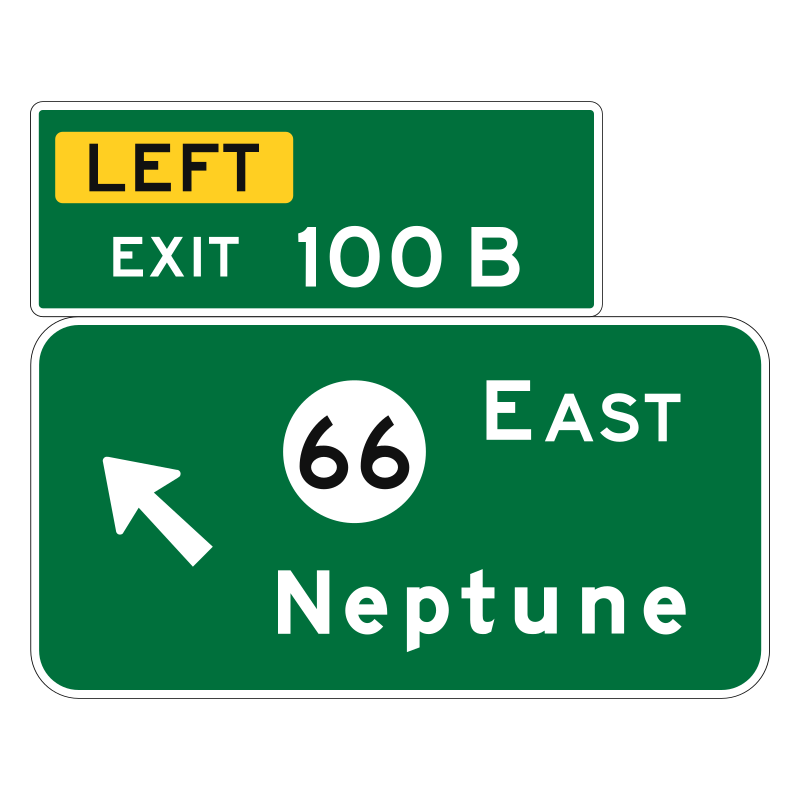
Exit number plaque (left exit)
What it means: An exit number plaque on the left side of a guide sign means the exit leaves from the left side of the highway.
What to do: If you are taking this exit, move to the left lanes early.
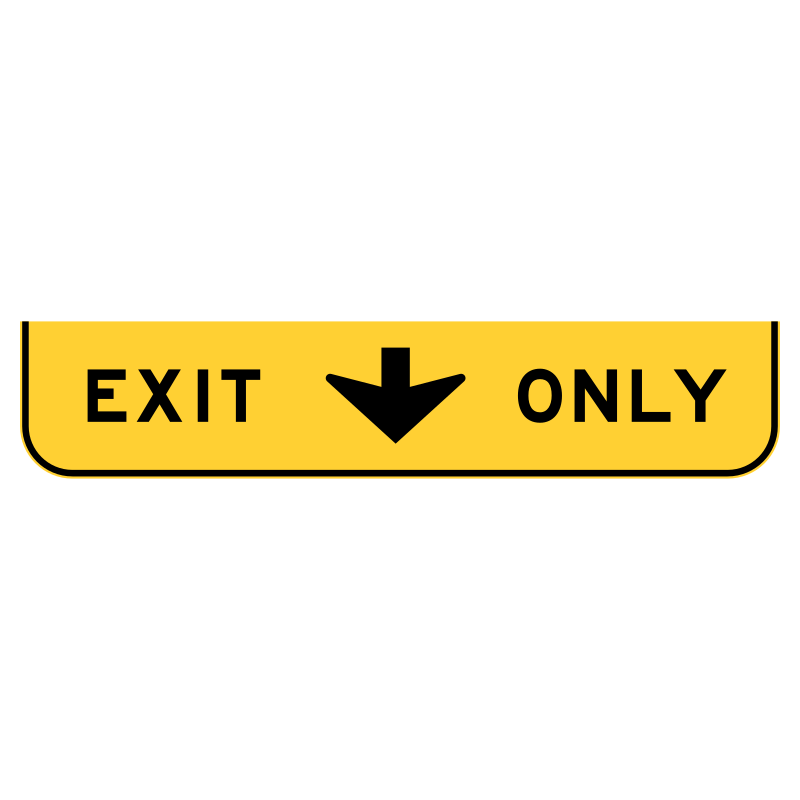
Exit only panel
What it means: The lane below the yellow EXIT ONLY panel leaves the highway at the exit.
What to do: If you are not exiting, move out of that lane early.
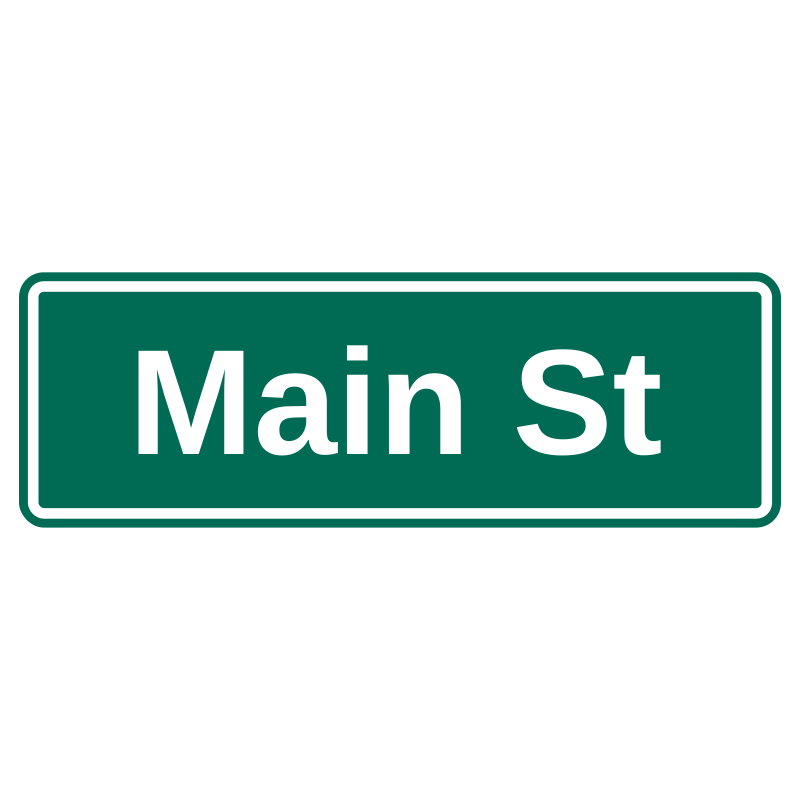
Street name sign
What it means: Shows the name of the cross street at an intersection.
What to do: Read it early to find your turn, and signal in time.
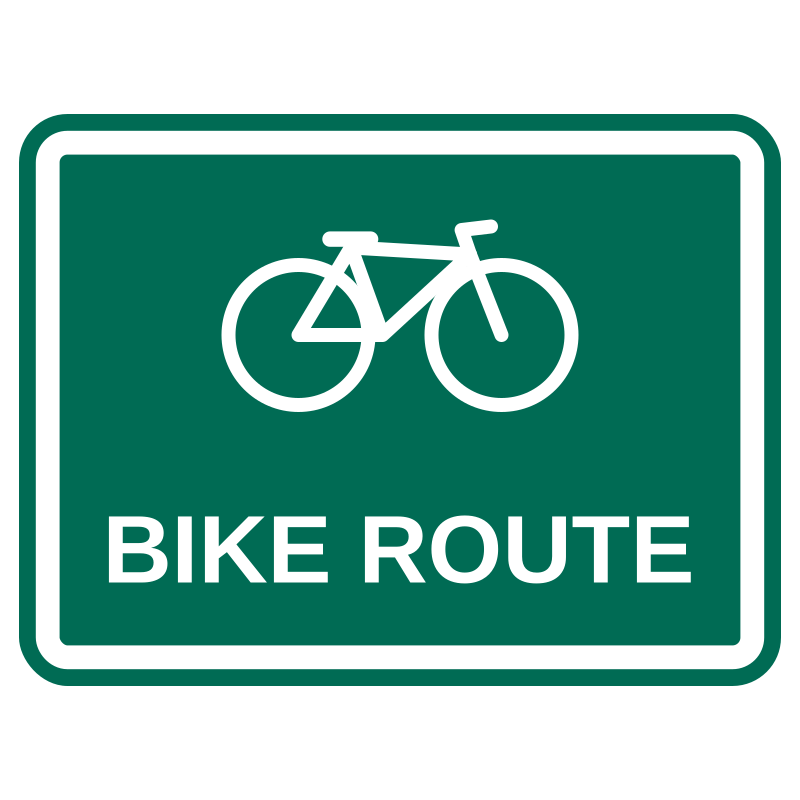
Bike route
What it means: Marks a street or path that is a designated bicycle route.
What to do: Expect bicyclists and, when passing, give them at least the space your state requires.
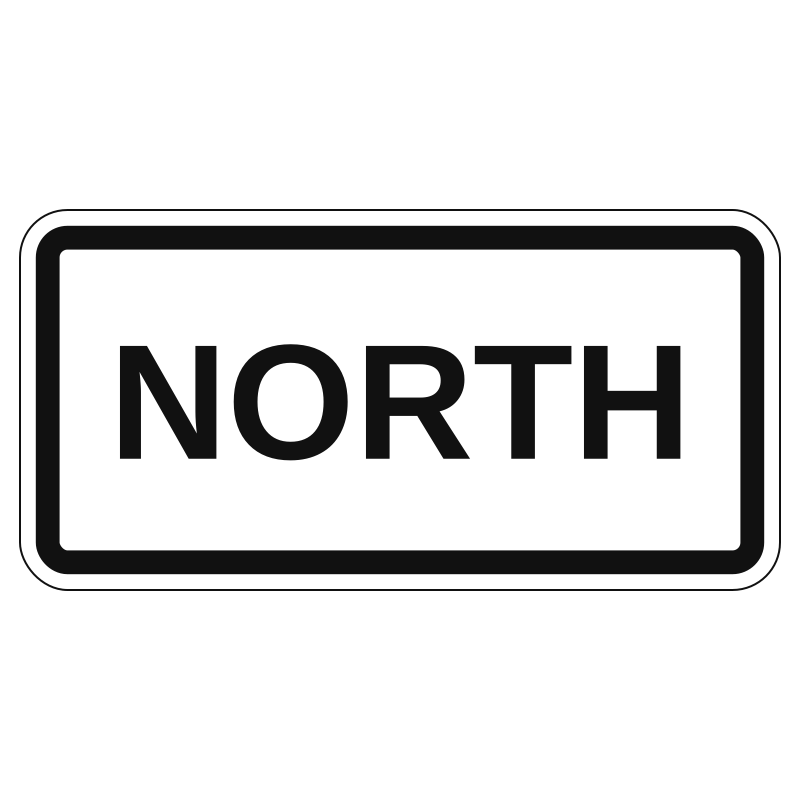
Cardinal direction plaque
What it means: Mounted above a route marker: which direction of the route (north, south, east or west) this is.
What to do: Check the direction before you take a ramp or turn, so you head the right way on the route.
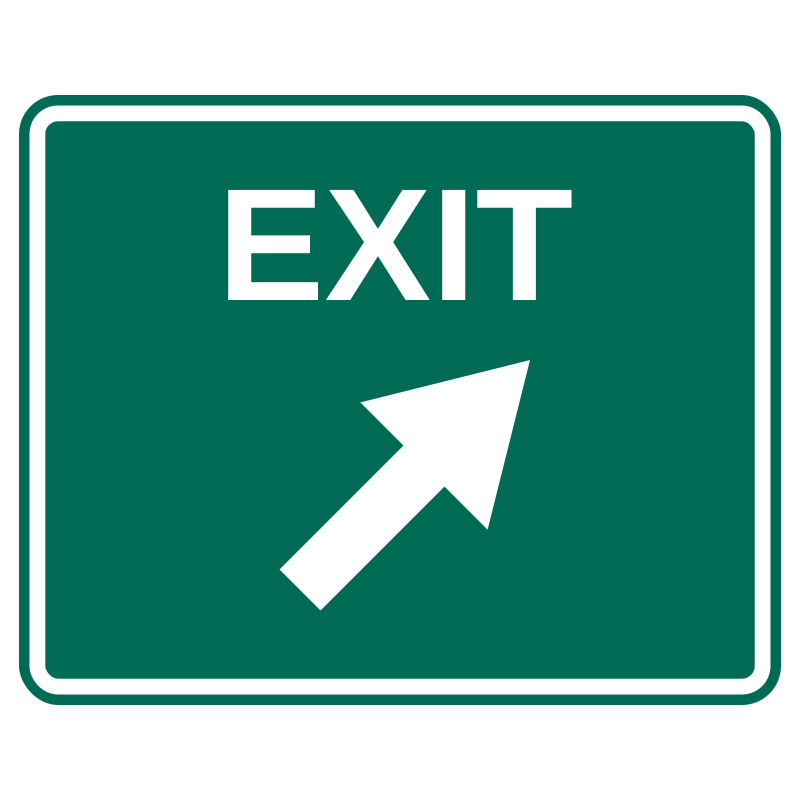
Exit gore sign
What it means: Stands where the exit ramp splits from the highway, marking the point of the exit.
What to do: If this is your exit, you should already be in the exit lane; never cut across the gore area to reach it.
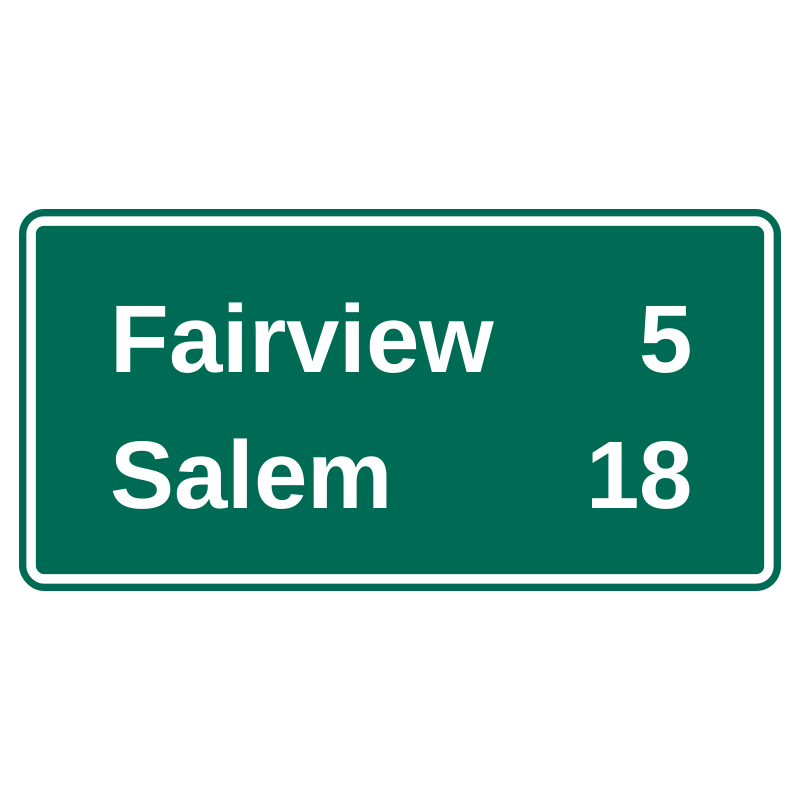
Distance sign
What it means: Shows how many miles it is to places ahead on this road.
What to do: Use it to check you are on the right road and to plan how far you still have to go.
Services
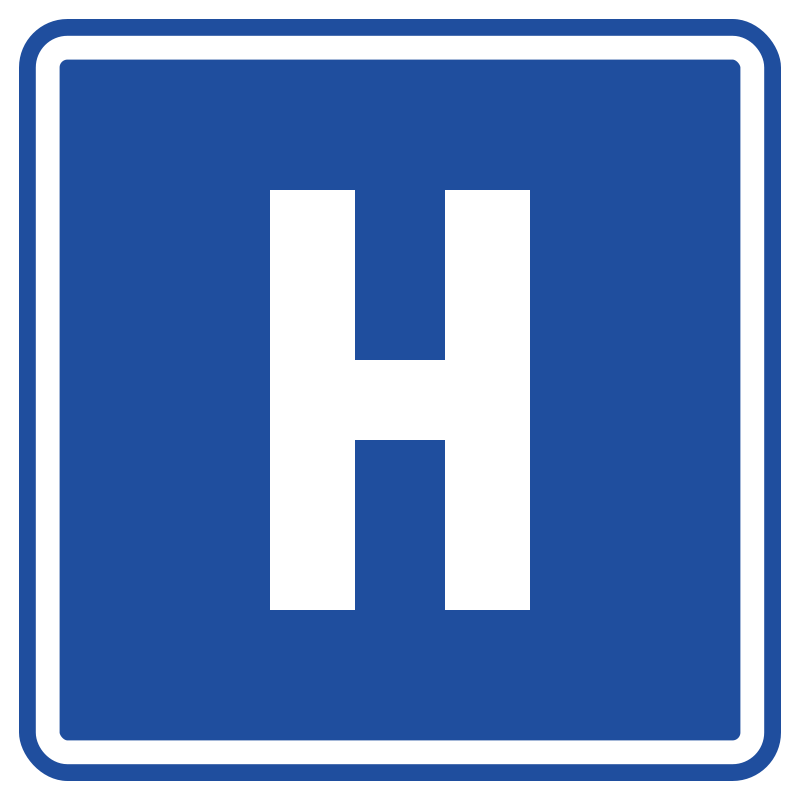
Hospital
What it means: A hospital is nearby.
What to do: Follow it to reach emergency care.
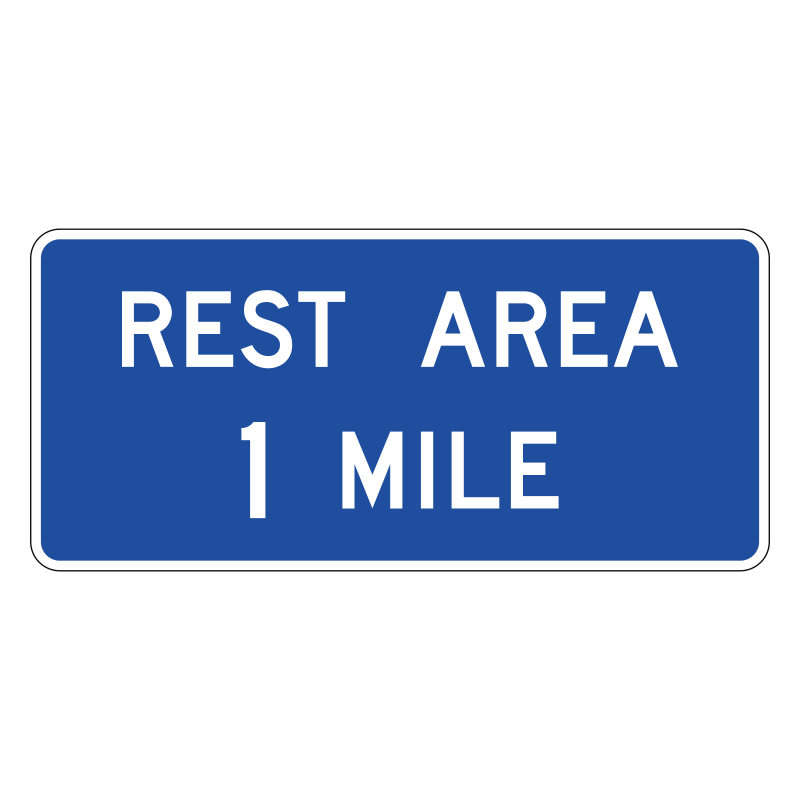
Rest area
What it means: A rest area is ahead at the distance shown.
What to do: If you are tired, plan to stop and rest there.
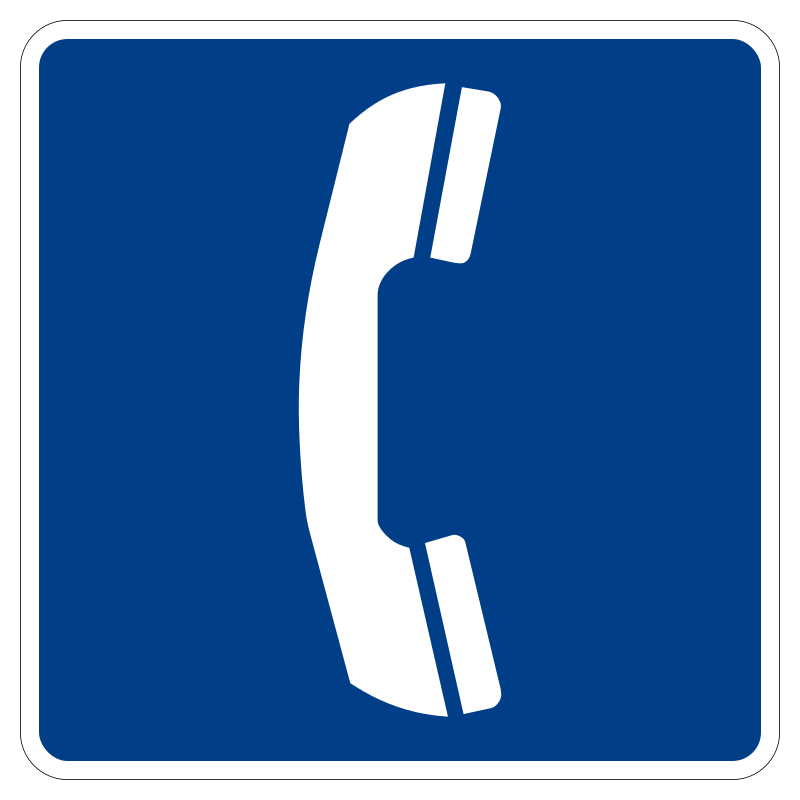
Telephone
What it means: A public telephone is available ahead.
What to do: Use it if you need to call for help.
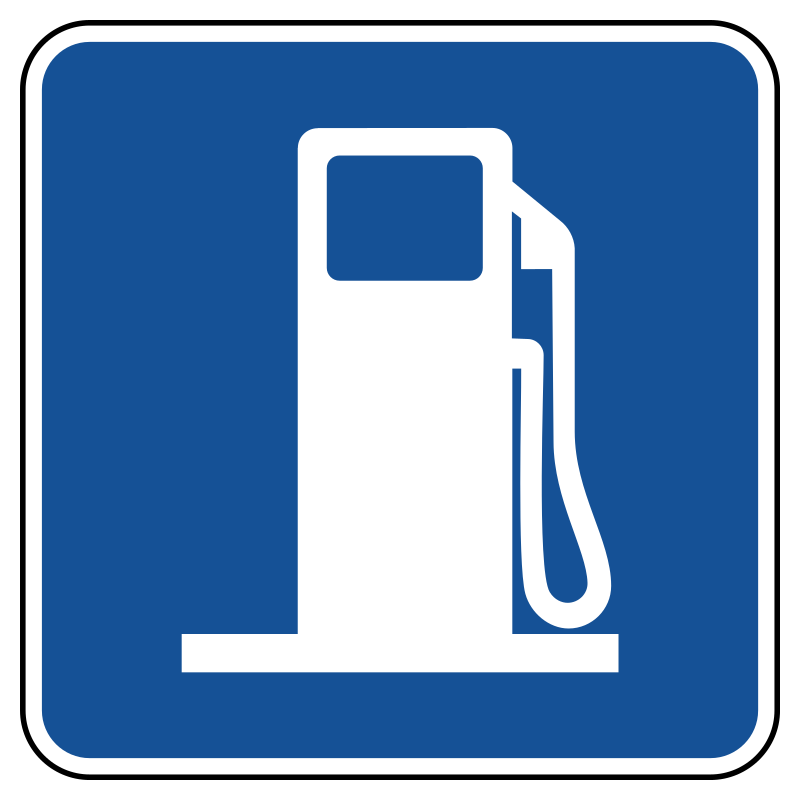
Gas
What it means: Fuel is available ahead.
What to do: Plan a fuel stop if you need one.
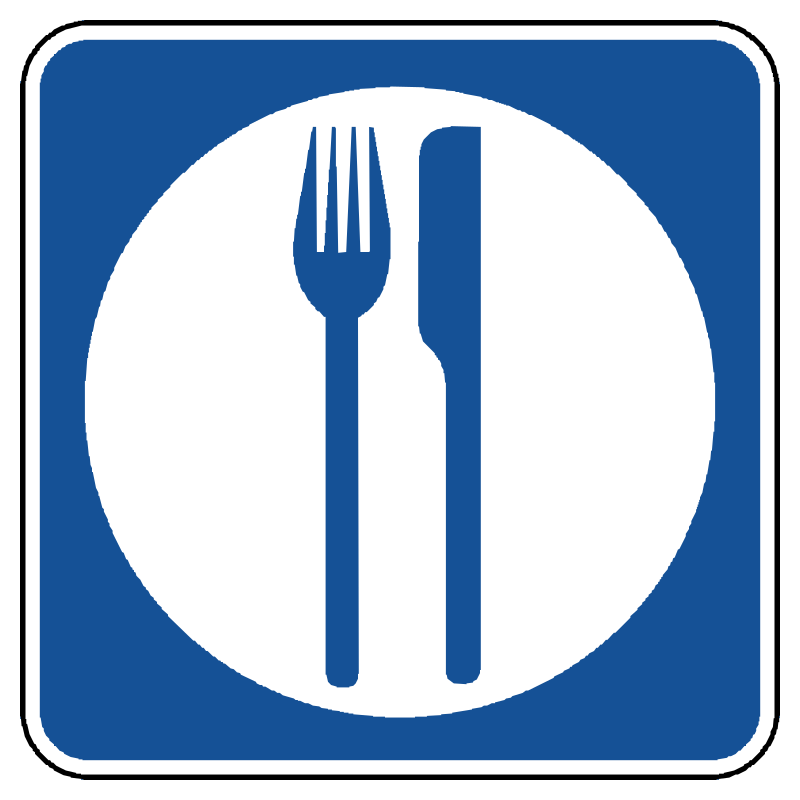
Food
What it means: Food is available ahead.
What to do: Plan a stop if you want to eat.
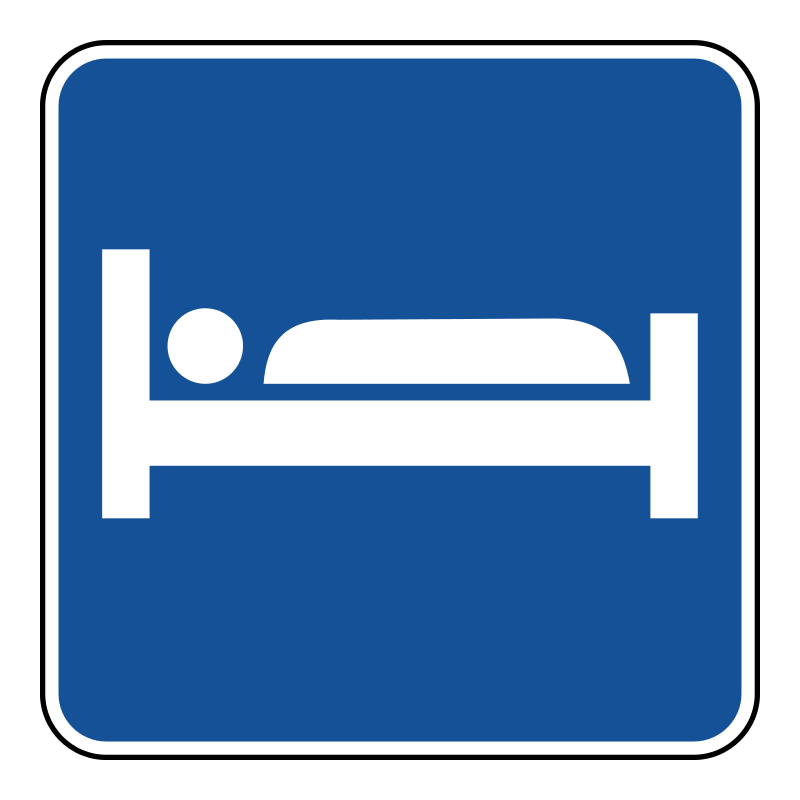
Lodging
What it means: Lodging is available ahead.
What to do: Plan to stop there if you need to rest overnight.
Recreation
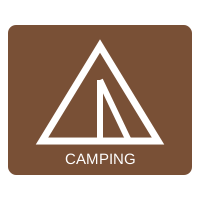
Camping
What it means: A campground or recreation area is nearby.
What to do: Brown signs point to recreation and cultural sites.
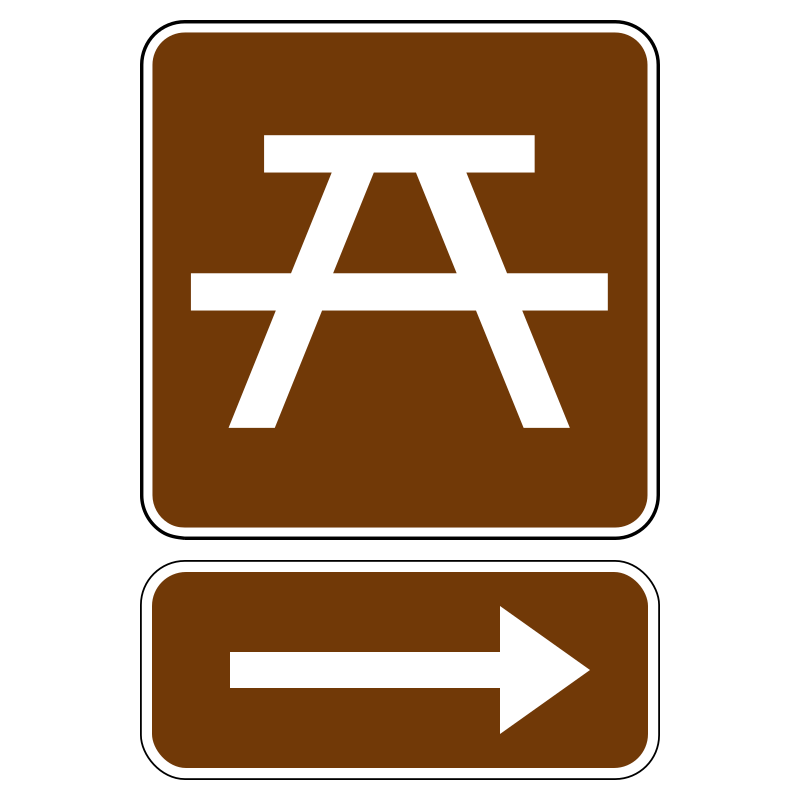
Picnic area
What it means: A picnic area is in the direction of the arrow.
What to do: Follow the arrow if you want to stop at the picnic area.
Sign drawings follow the federal Manual on Uniform Traffic Control Devices (MUTCD). Your state’s driver manual is always the final word.